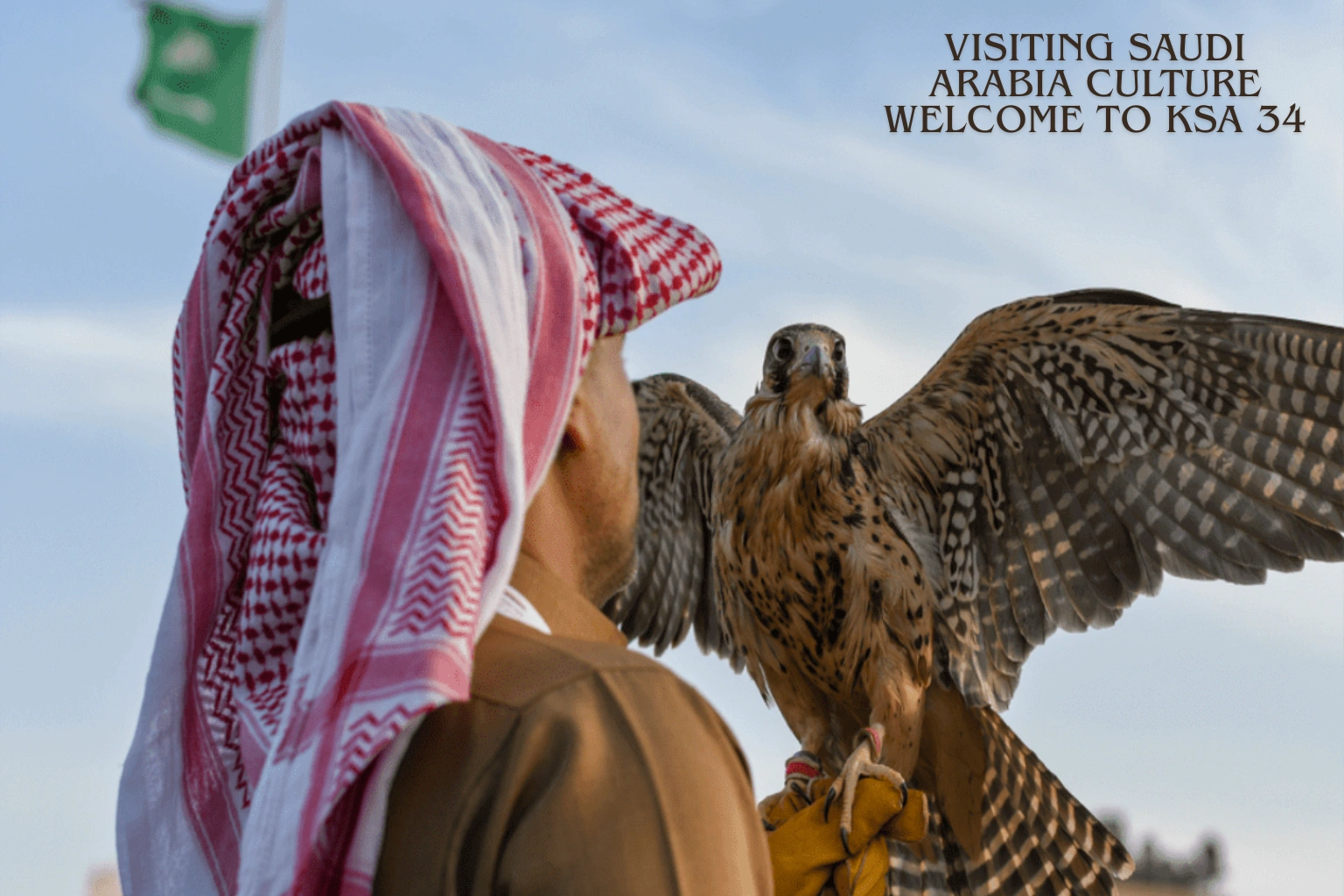
Visiting Saudi Arabia Culture for Fans in World Cup 2034
When Saudi Arabia hosts the 34th FIFA World Cup in 2034, millions of fans will arrive not only to celebrate the beautiful game but also to visiting Saudi Arabia of striking contrasts — endless deserts and cool mountains, sacred heritage and futuristic cities, timeless traditions and generous hospitality.
If you’re planning to explore beyond the stadiums, here’s your expanded guide to the top destinations you won’t want to miss in 2034.
Why This World Cup Visit Will Be Different
Thanks to Vision 2030, many sites will feature new infrastructure, eco-friendly lodging, and improved accessibility. Visitors can expect:
- Better roads and guided tour services
- Smart scheduling for heat management (morning/evening activities)
- More cultural festivals and immersive experiences tied to match days
- Enhanced sustainability in remote regions
15 Must-See Saudi Destinations
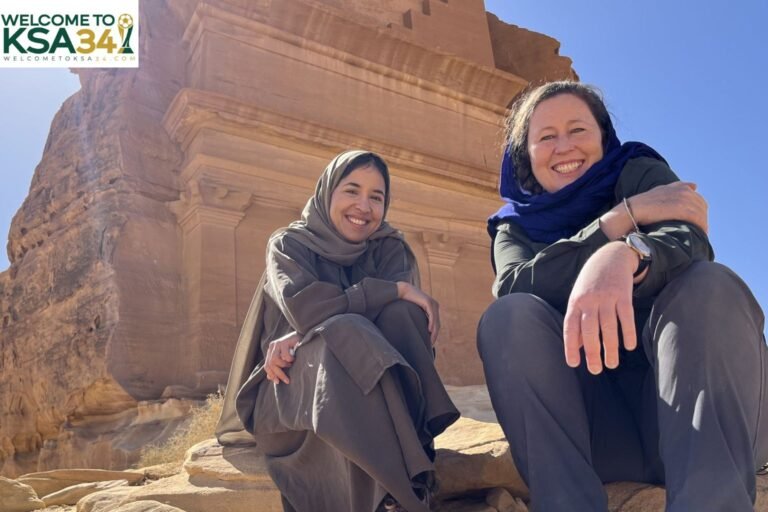
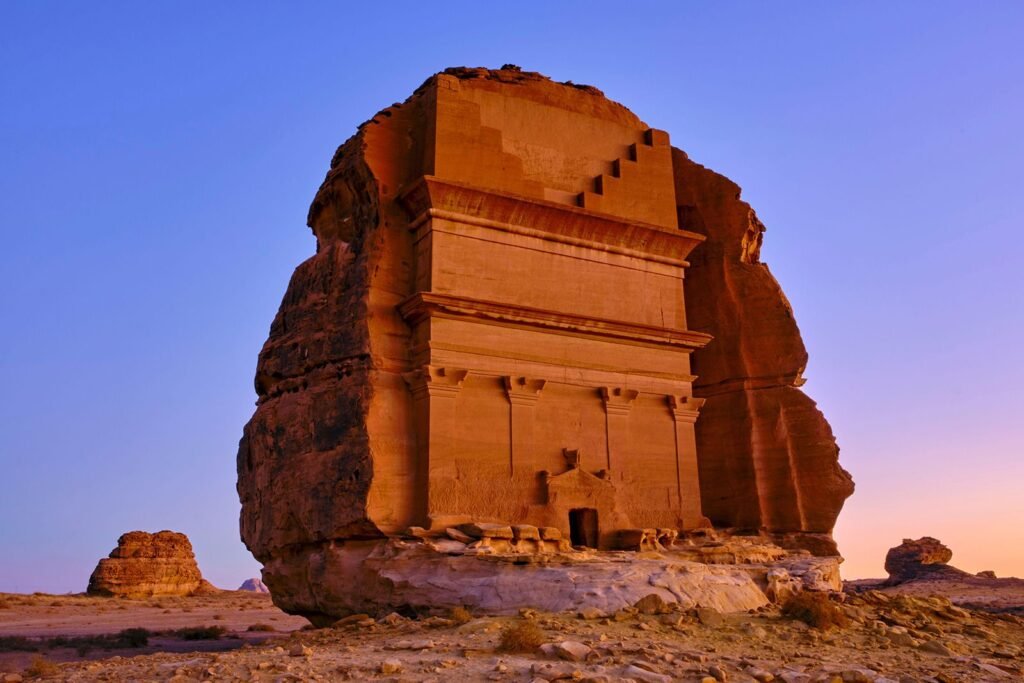
1. Hegra (AlUla)
Saudi Arabia’s archaeological crown jewel, with Nabataean tombs carved into golden sandstone cliffs. By 2034, expect evening light shows and augmented-reality tours.
Tip: Book sunset visits early — tour slots will sell out fast during the Cup.
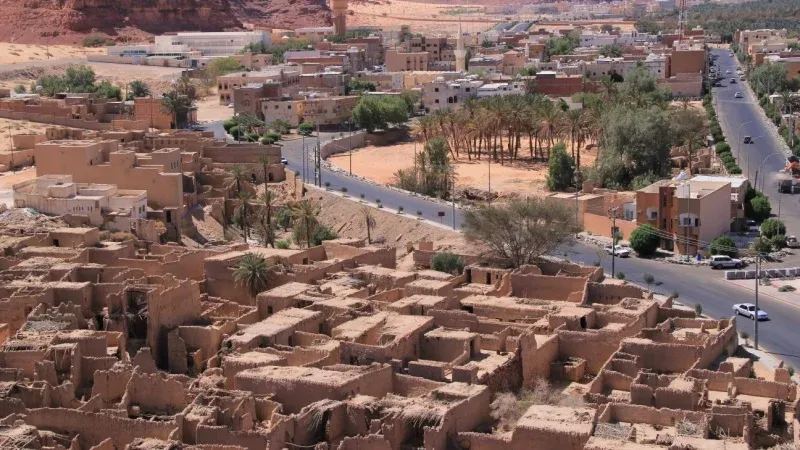
2. AlUla Old Town
A maze of mud-brick alleys filled with shops, crafts, and cafés. More cultural pop-ups and live performances will animate the area in 2034.
Tip: Stay overnight to enjoy the peaceful mornings and lively evenings.
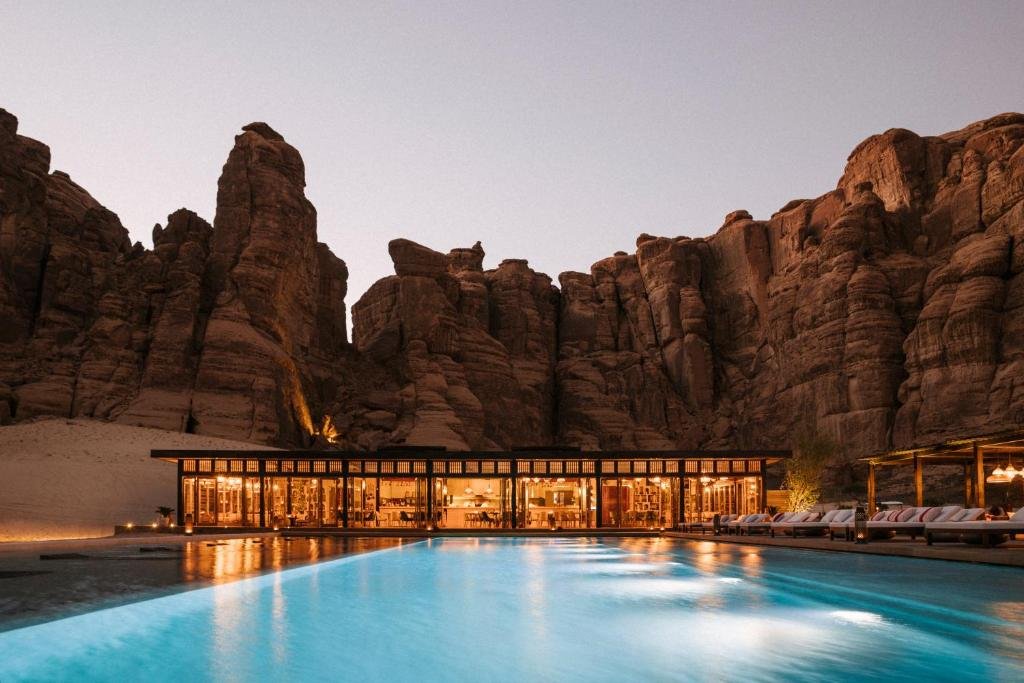
3. Our Habitas, AlUla
Luxury lodging surrounded by desert landscapes and star-filled skies. Expanded amenities will make this retreat even more appealing.
Tip: If your budget allows, book at least one night here — early!
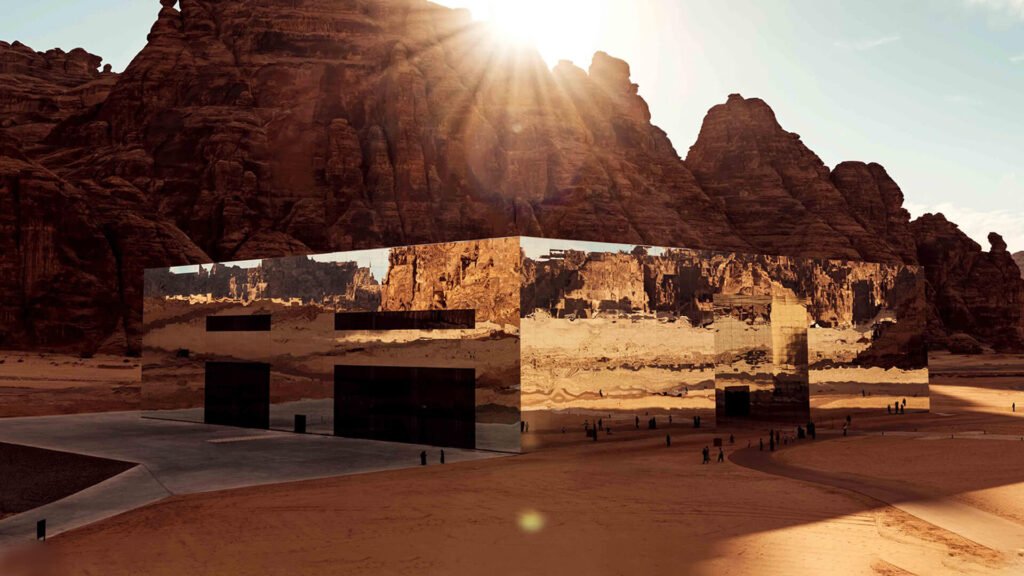
4. Maraya, AlUla
The world’s largest mirrored building, reflecting desert beauty and hosting major concerts. Expect more public access in 2034.
Tip: Visit at sunrise or sunset for stunning photo opportunities.
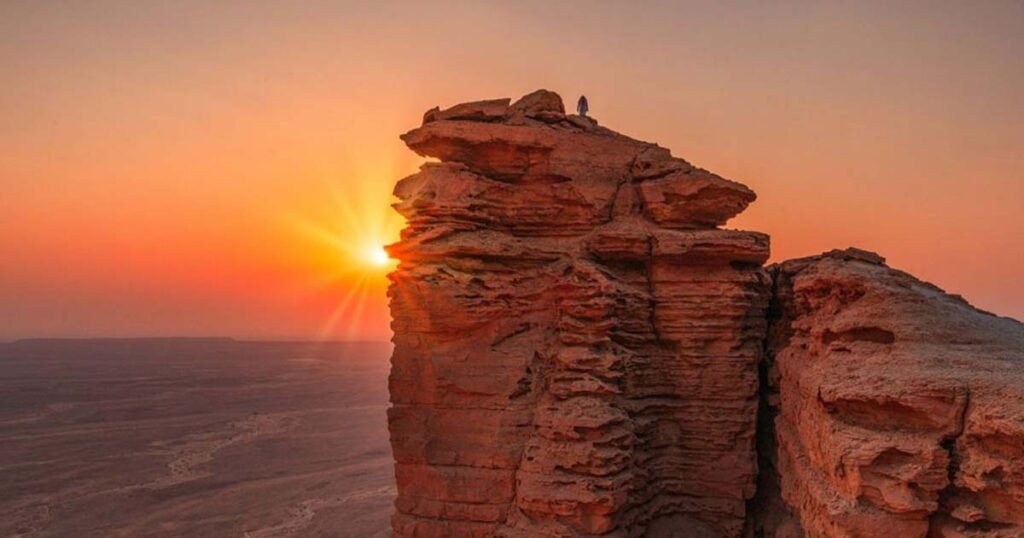
5. Edge of the World (near Riyadh)
Towering cliffs offering sweeping views across the desert. Visitor platforms and guided routes will be upgraded.
Tip: Join an organized sunset tour — safer and more scenic.
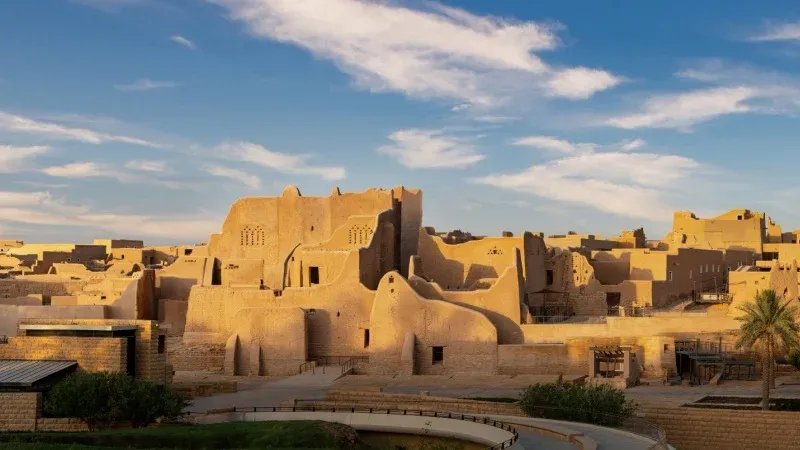
6. At-Turaif, Diriyah (Riyadh)
The birthplace of Saudi Arabia, with restored palaces and mosques. Interactive museums will showcase history alongside modern World Cup festivities.
Tip: Evening strolls or cultural light shows are the best times to visit.
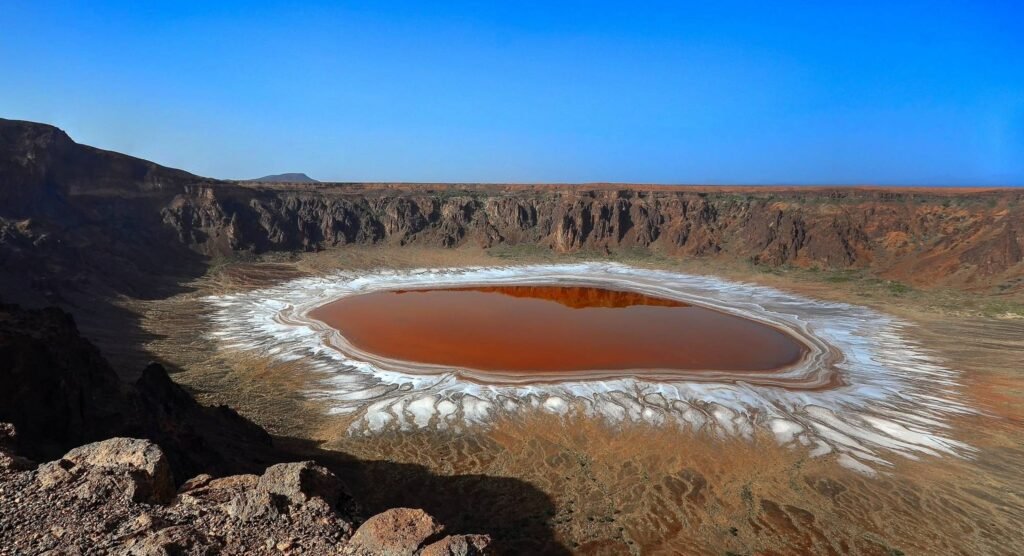
7. Al Wahbah Crater
A massive volcanic depression with a white salt bed at its center. Access roads and safety infrastructure will be improved.
Tip: Use local guides and carry supplies; conditions can be extreme.
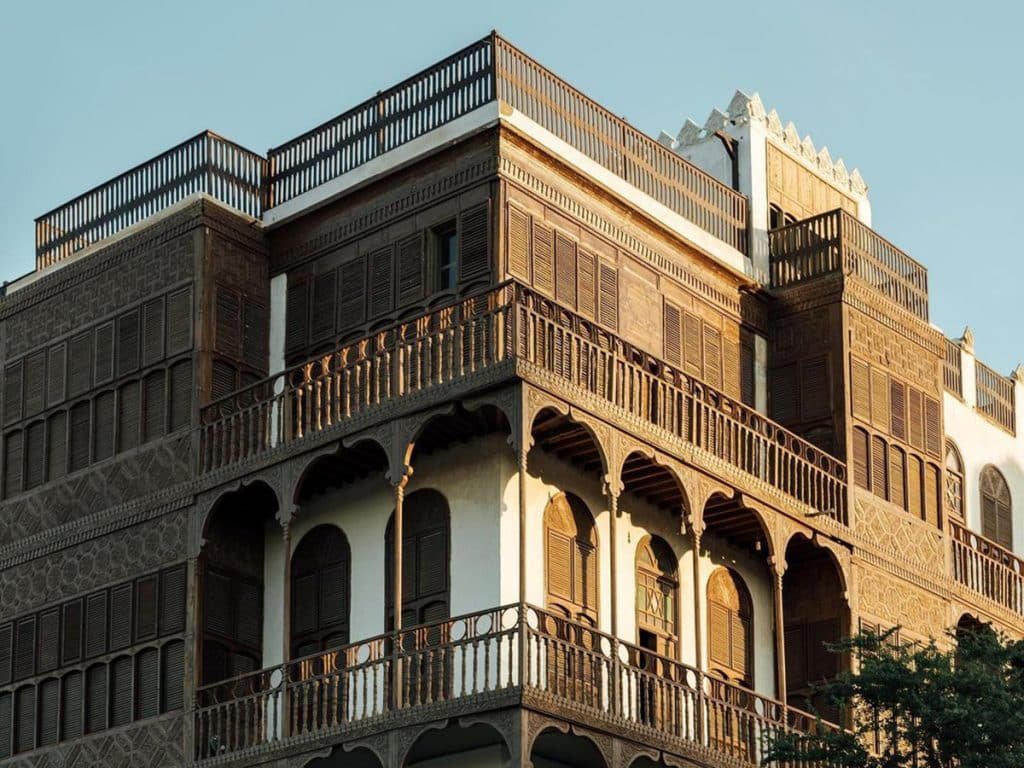
8. Al-Balad (Historic Jeddah)
A UNESCO-listed district of coral stone houses and wooden balconies. By 2034, more curated tours and restored landmarks will bring history alive.
Tip: Wander after dusk when the streets are beautifully lit.
9. Al Tayabat Museum, Jeddah
A deep dive into Hijazi history, pilgrimage routes, and maritime trade. Expect special exhibitions for World Cup visitors.
Tip: Pair this visit with a walking tour of Al-Balad.
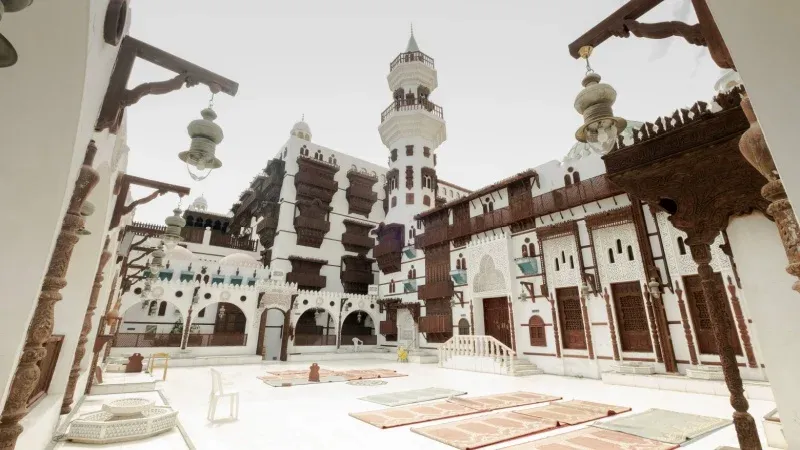
10. Thee Ain Ancient Village (Al Baha)
A striking marble-mountain village fed by natural springs. Facilities may be modest, but preservation will remain a priority.
Tip: Arrive at dawn or dusk for cooler weather and magical light.
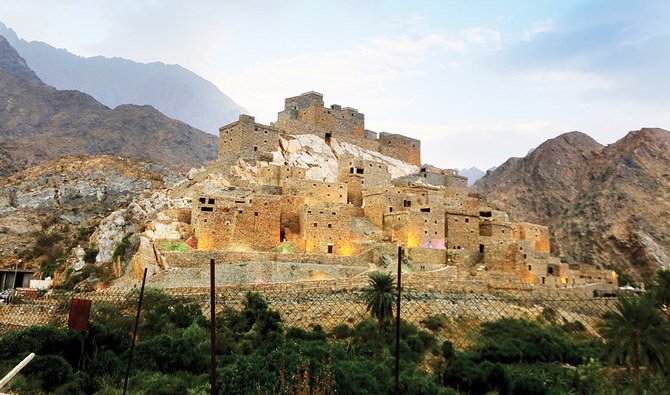
11. Rijal Almaa (Abha)
Stone-tower houses and artisan crafts in the Asir Mountains. Infrastructure improvements will ease access by 2034.
Tip: Bring warm clothes — high altitudes can be chilly.
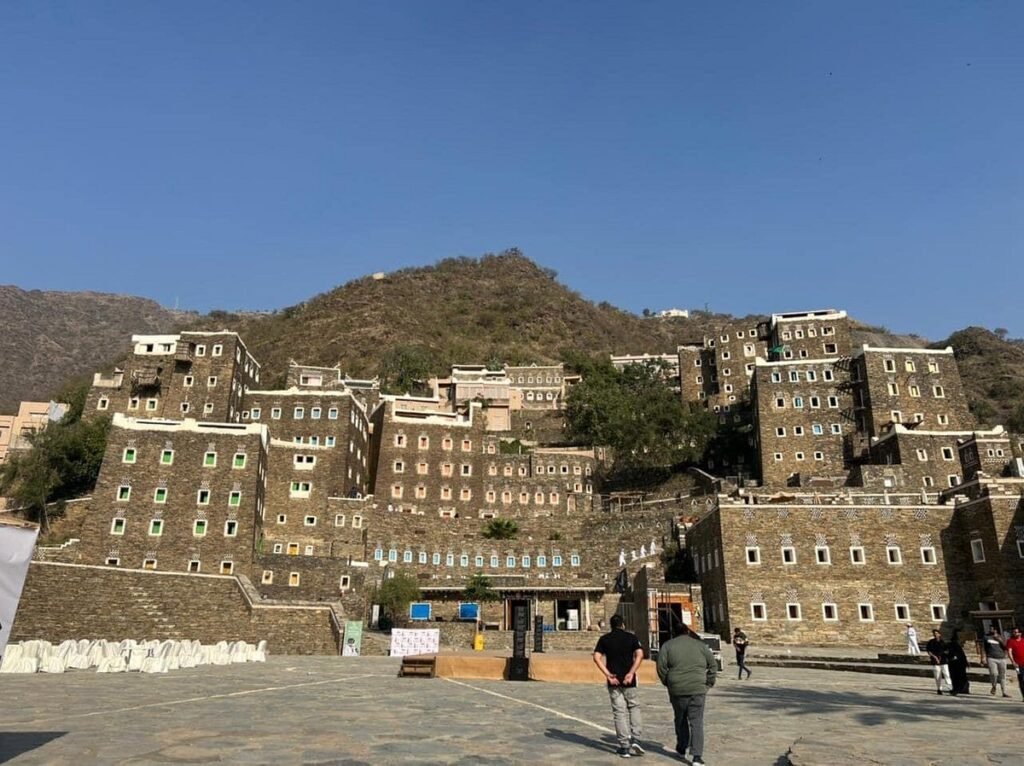
12. Jabal Sawdah (Asir)
Saudi’s tallest mountain, with lush greenery and winding roads. Expect new lookout points and safer drives.
Tip: Go in the early morning or late afternoon for breathtaking views.
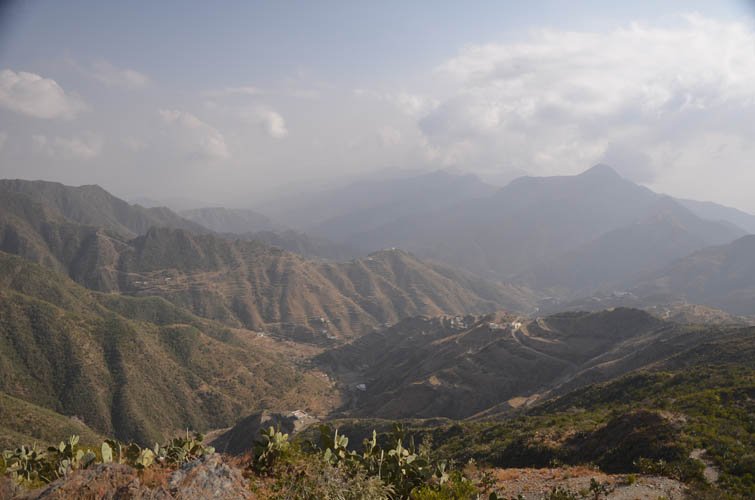
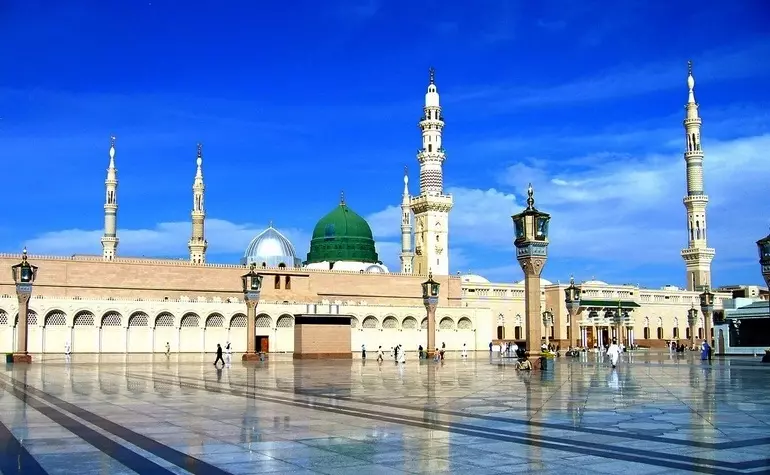
13. Al Masjid an-Nabawi (Medina)
The Prophet’s Mosque remains one of Islam’s holiest sites. Facilities and transport for pilgrims will be expanded.
Tip: Check access rules and prayer times; visit respectfully.
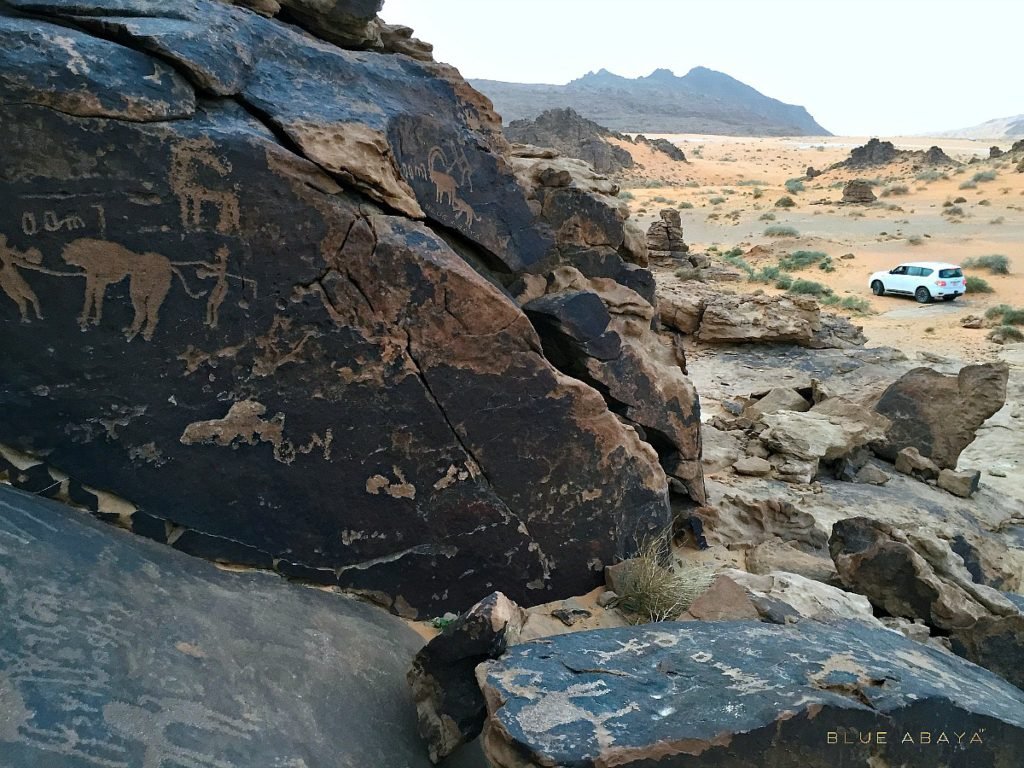
14. Jubbah Heritage Site (Hail)
10,000-year-old rock art depicting camels, hunters, and symbols of early life. Preservation efforts will make visiting easier.
Tip: Guided tours offer the best insight and context.
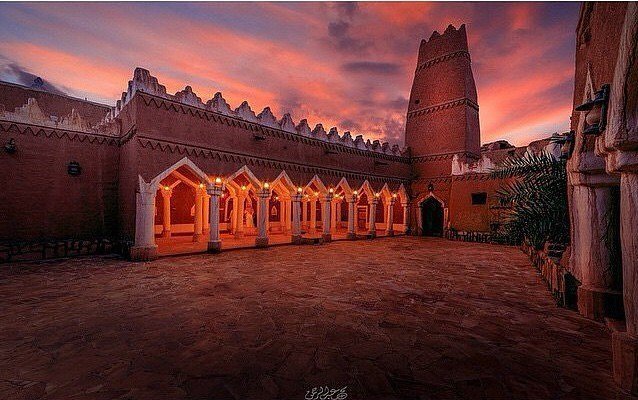
15. Ushaiqer Heritage Village
Still inhabited, this village of mud houses offers living history and rustic charm. Festivals and cultural programs are likely by 2034.
Tip: Plan a day trip from Riyadh; mornings and evenings are most atmospheric.
Mini Itineraries for Match Days
- Day Off Between Matches: Explore AlUla’s tombs, relax in Old Town, and catch sunset at Maraya.
- After a Morning Match in Riyadh: Take a late-afternoon trip to Edge of the World or At-Turaif.
- Staying in Jeddah: Mix heritage tours in Al-Balad with an evening walk along the Corniche.
- Craving Cool Air: Head to Abha or Jabal Sawdah for mountain breezes and overnight stays.
Travel Tips for World Cup 2034
- Book Early: Hotels, tours, and restaurants will be in high demand.
- Mind the Climate: Days can be hot, nights cool in the desert, and mountains chilly. Pack layers.
- Transport: Expect traffic near stadiums — rent a car or join organized tours for remote trips.
- Cultural Etiquette: Dress modestly, respect prayer times, and observe local customs.
- Travel Sustainably: Choose eco-friendly accommodations, avoid littering, and support local artisans.
Final Word
The 34th FIFA World Cup will showcase Saudi Arabia not only as a football host but also as one of the world’s most captivating destinations. Whether you’re exploring Nabataean tombs, strolling ancient villages, hiking green mountains, or diving into Red Sea adventures, this is a chance to witness a nation balancing heritage and modernity.
Plan wisely, mix football with exploration, and you’ll leave with far more than matchday memories — you’ll carry the story of a Kingdom both timeless and forward-looking.
1. Is it safe to travel around Saudi Arabia during the World Cup?
Yes. Saudi Arabia is investing heavily in infrastructure, transport, and security for World Cup 2034. Major tourist destinations will be well-prepared for international visitors, but as with any trip, it’s wise to follow local guidelines and respect cultural customs.
2. Can non-Muslims visit Mecca and Medina during the World Cup?
No. Mecca and Medina are open only to Muslims. Non-Muslims can, however, explore other historic and cultural sites across the Kingdom, including Riyadh’s Diriyah, Jeddah’s Al-Balad, and AlUla’s archaeological wonders.
3. What is the best way to travel between stadiums and tourist destinations?
Domestic flights, high-speed trains, and improved highways will connect most host cities by 2034. For remote attractions like AlUla or the Empty Quarter, guided tours or rented vehicles are recommended.
4. How should I dress when visiting Saudi Arabia?
Modest clothing is expected. Men should avoid sleeveless tops in public, and women should wear loose-fitting outfits covering arms and legs. An abaya (long cloak) is not legally required for foreign women, but respectful attire is strongly encouraged.
5. What’s the best time of day to visit outdoor attractions during the tournament?
Due to the heat, mornings and evenings are ideal for outdoor sightseeing. Many attractions, such as Hegra or the Edge of the World, will also offer evening tours in 2034 to accommodate visitors comfortably.