How the 34th World Cup Will Boost Saudi Arabia’s Economy
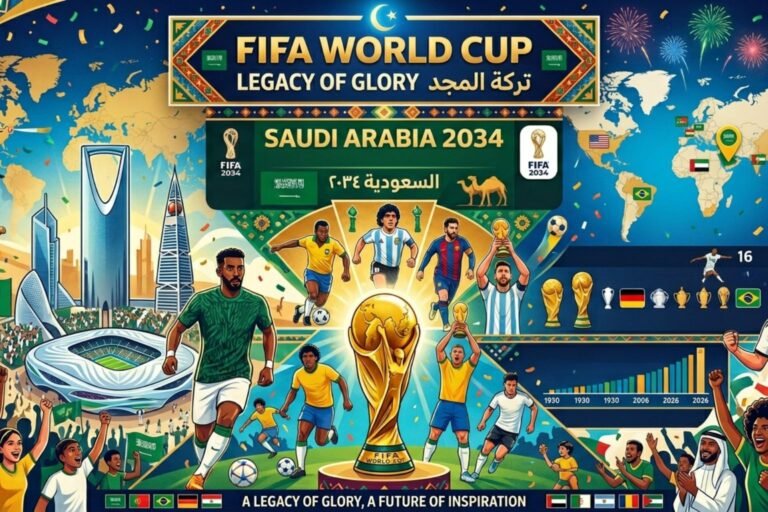
The upcoming 2034 FIFA World Cup represents a historic and transformative milestone for Saudi Arabia, not only as a premier global sporting event but also as a powerful catalyst for economic diversification, infrastructure modernization, and global positioning consistent with the Kingdom’s ambitious Vision 2030 goals.
Economic Boost and Infrastructure Investment
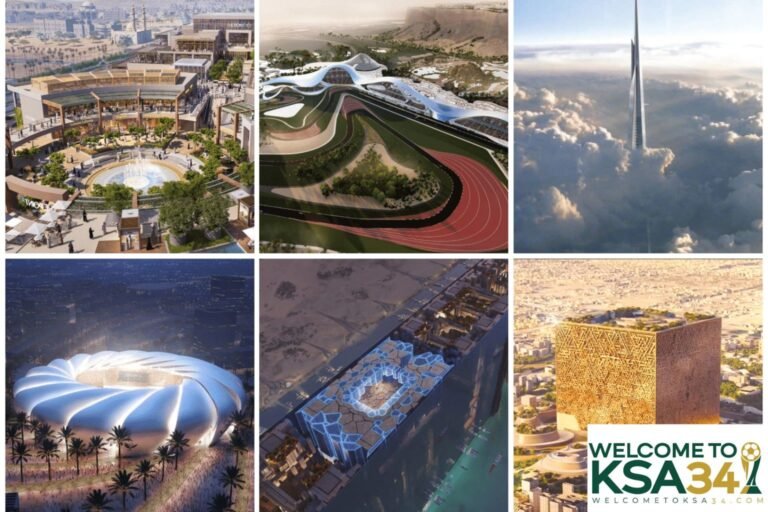
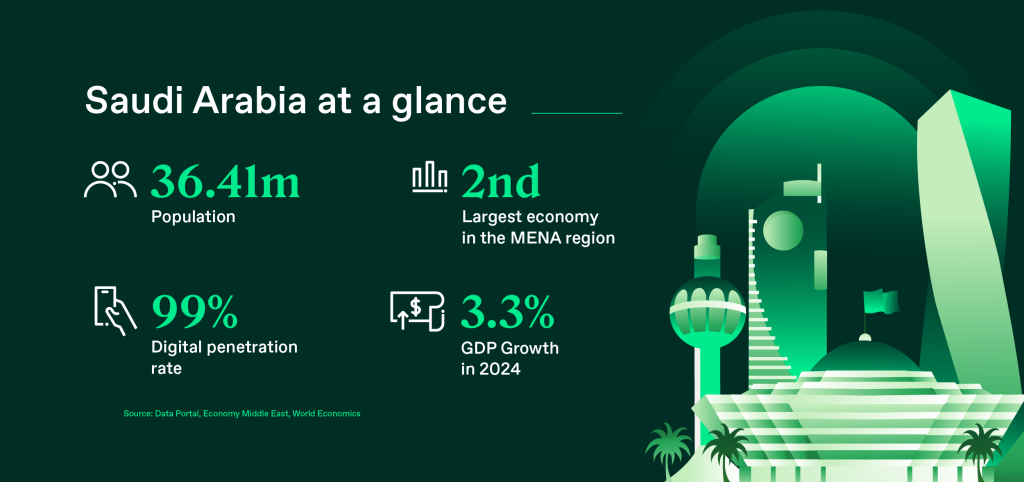
Hosting the World Cup is expected to deliver a substantial economic stimulus to Saudi Arabia’s economy, with expert estimates forecasting a GDP increase ranging from $9 billion to $14 billion, reflecting the largest impact seen among previous World Cup hosts. The Kingdom plans to invest approximately $26 billion in infrastructure, including the construction of 15 stadiums—11 of which will be new—and extensive upgrades to transportation and hospitality facilities. These include the expansion of the Riyadh Metro system to seven lines designed to support 3.6 million passengers daily, major airport expansions in five key cities, and the addition of 65,000 new hotel rooms to accommodate visitors.
This infrastructure push aligns closely with Saudi Arabia’s Vision 2030, which seeks to modernize urban landscapes, diversify the economy beyond oil, and position the Kingdom as a global hub for sports, entertainment, and tourism. Mega-projects such as NEOM, Diriyah, and the Red Sea Project are integrated into this vision, promising to leverage the World Cup as a launchpad for sustainable urban and economic development.
Job Creation and Workforce Development
The World Cup is projected to create over 1.5 million new jobs across multiple sectors including construction, hospitality, security, transportation, event management, and retail. This surge in employment offers both temporary and permanent positions, providing significant opportunities to reduce unemployment rates and increase disposable income for Saudi citizens. Workforce training programs will emphasize sustainability, human rights, and global event management standards, contributing to the Saudization objectives embedded in Vision 2030.
Tourism Growth and Global Investment
The event is expected to more than double the number of international visitors compared to Qatar’s 2022 World Cup, driven in part by Saudi Arabia’s cultural and geographic diversity and potential religious tourism. Past World Cups have shown that tourism can boost host GDP by 1%-1.5%, and Saudi Arabia aims to exceed those benchmarks through improved fan experiences, fan zones, festivals, and enhanced public transport.
The global visibility gained from hosting the World Cup will also attract a significant increase in foreign direct investment (FDI), particularly in sectors related to construction, technology, renewable energy, and hospitality. Historical data from previous World Cups shows host countries typically experience an average increase of $4.33 billion in inward FDI. Saudi Arabia’s strong governance and strategic economic reforms position it well to maximize this benefit.
Additional Economic and Social Benefits
- Enhancement of small and medium enterprise (SME) development through increased demand for goods and services related to the event.
- Expansion of technological infrastructure, including smart stadiums and digital fan engagement platforms, promoting innovation across industries.
- Strengthening of cultural tourism by showcasing Saudi Arabia’s heritage, arts, and entertainment, attracting diverse global audiences.
- Boost to the real estate market in host cities through heightened demand for commercial and residential development tied to the World Cup buildup.
- Opportunities for women’s increased workforce participation, aligning with ongoing social reforms and Vision 2030 initiatives.
Challenges and Strategic Considerations
While the economic opportunities are substantial, the Saudi Kingdom faces notable challenges including managing environmental sustainability, avoiding over-expenditure, and balancing the cultural expectations of hosting a world-class event in a conservative society.
Sustainability remains a key focus, with Saudi Arabia committing to innovative solutions like stadiums powered by renewable energy and a national pledge to plant 10 billion trees as part of its Green Initiative. The potential environmental impact of large-scale construction and increased tourism flows requires careful mitigation.
Additionally, lessons from Qatar and Russia emphasize the importance of ensuring post-event utilization of infrastructure to avoid underused “white elephant” facilities. Saudi Arabia’s integration of World Cup projects with broader urban and economic development plans is designed to counter this risk, ensuring venues and transportation improvements serve long-term community needs.
The Kingdom also seeks to enhance its global image and soft power while addressing public relations issues, including ongoing human rights reforms and promoting cultural exchange through sports diplomacy. Hosting other major regional events before 2034 further demonstrates Saudi Arabia’s growing capabilities in global event management.
Legacy and Long-Term Impact
The 2034 FIFA World Cup promises to leave a lasting legacy beyond the event itself, including a modernized infrastructure network, a vibrant tourism sector, diversified income streams, and a more skilled workforce. This legacy is expected to elevate Saudi Arabia’s long-term competitiveness on the global stage and further the goals of its Vision 2030 strategy.
Societal endorsements, such as from global football icon Cristiano Ronaldo, who praises the Kingdom’s preparation and growing reputation, underscore rising international confidence in Saudi Arabia as a host nation.
In partnership with consultants like Proven Arabia, Saudi businesses and investors are encouraged to seize the emerging opportunities tied to the World Cup, ensuring maximum participation in the economic transformation underway.
Conclusion
In conclusion, the 2034 FIFA World Cup represents much more than a football tournament for Saudi Arabia; it is a profound economic engine and symbol of the Kingdom’s dynamic future as a global leader in sports, culture, and innovation.
This comprehensive economic, cultural, and infrastructural boost will position Saudi Arabia for sustained growth and global recognition well into the future, making the 2034 World Cup a defining event in the Kingdom’s historic Vision 2030 journey.