The Economic Impact of World Cup 2034 on Saudi Arabia
The announcement that Saudi Arabia will host the FIFA World Cup 2034 has sparked excitement worldwide, drawing the attention of football fans, global sports bodies, and business leaders alike. Beyond the thrill of matches and celebrations, the Economic Impact of World Cup hosting is set to be truly transformative for the Kingdom. Saudi Arabia is entering a new era of growth, where massive investments in infrastructure, tourism expansion, job creation, and emerging business opportunities will play a central role in reshaping the national economy.
The 2034 World Cup is more than just a sporting event; it is a catalyst for long-term economic growth and international recognition. Let’s dive deep into the projected economic impact, exploring every dimension from job creation to tourism revenue and sustainable business opportunities.
1. Massive Infrastructure Investment
Hosting a FIFA World Cup requires an extraordinary level of planning, construction, and infrastructure development. Saudi Arabia is investing heavily in creating world-class facilities that meet FIFA’s standards, ensuring a smooth experience for players, fans, and media alike.
Stadiums and Facilities
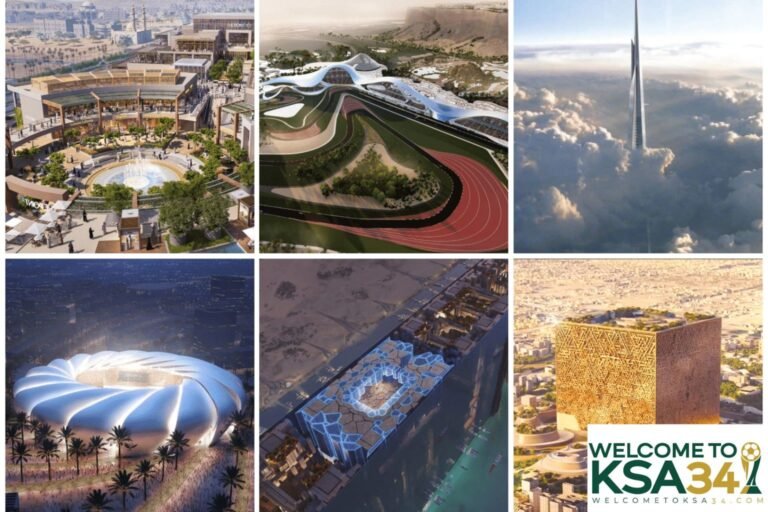
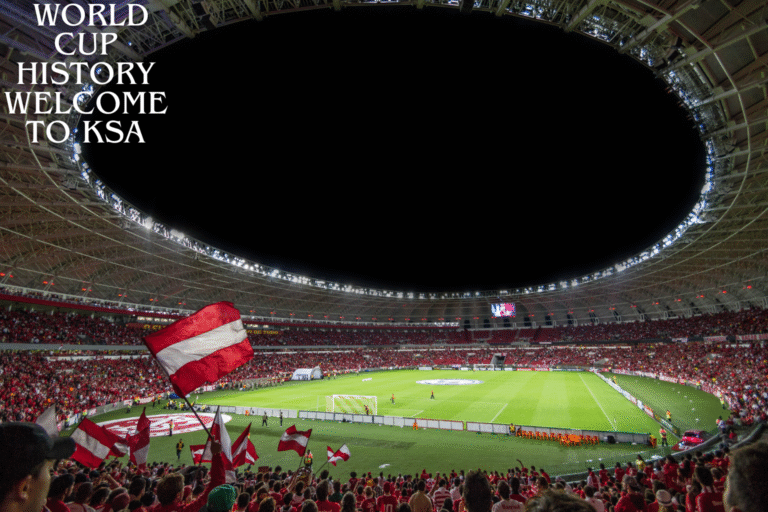
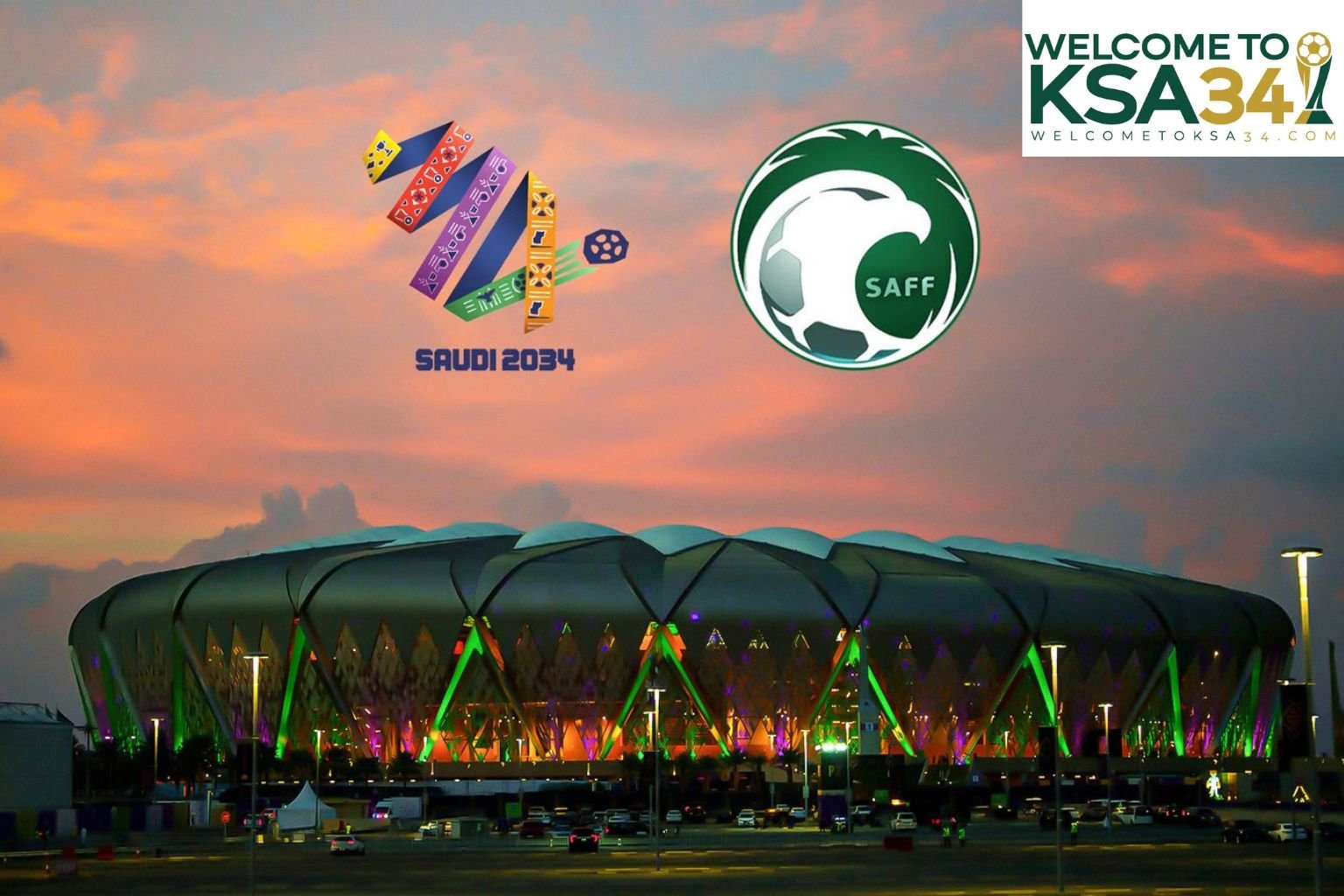
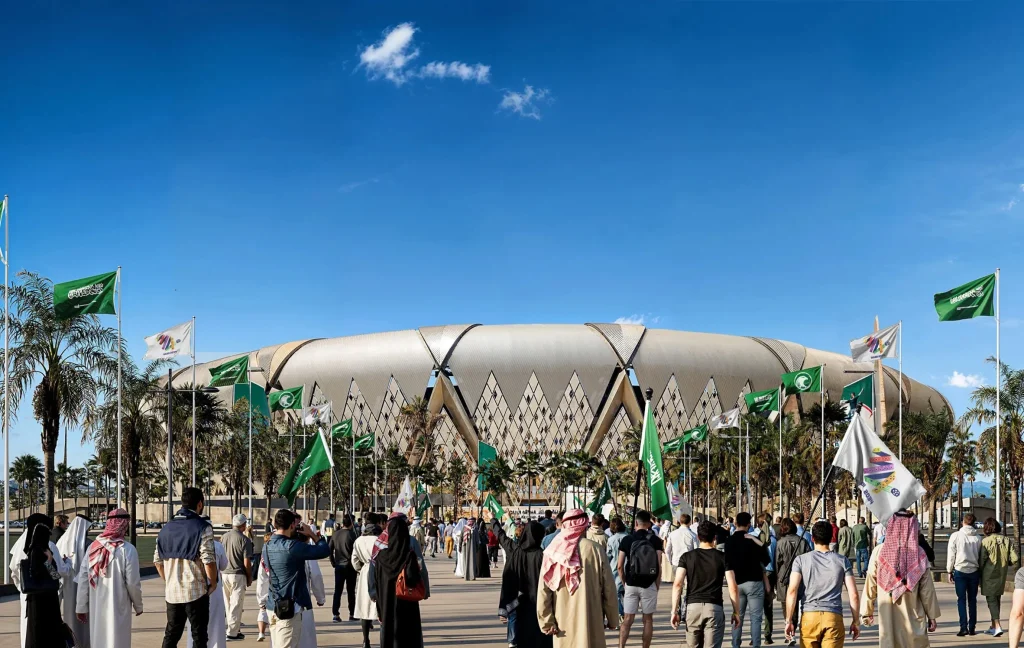
Saudi Arabia is expected to construct, renovate, and modernize stadiums across multiple cities including Riyadh, Jeddah, Dammam, and Mecca. Each stadium will not only provide top-notch sporting facilities but also incorporate state-of-the-art technology such as smart ticketing systems, enhanced seating comfort, energy-efficient cooling systems, and advanced safety protocols.
The construction and renovation process alone is projected to create tens of thousands of jobs in architecture, engineering, construction, and project management. Furthermore, these stadiums will serve communities long after the World Cup, hosting local leagues, concerts, and cultural events.
Transport and Urban Development
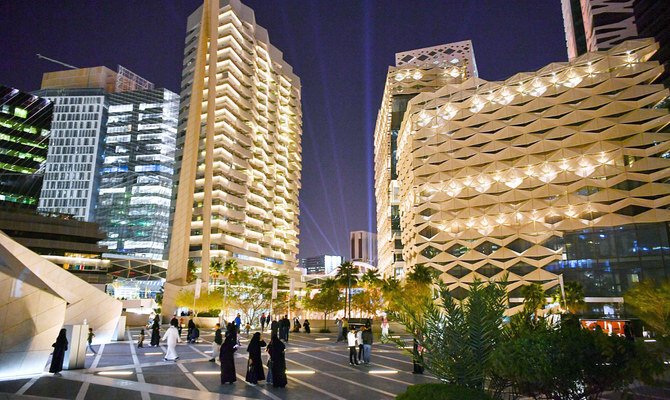
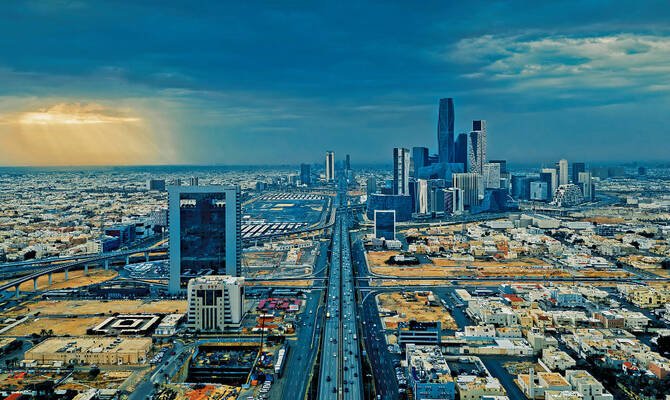
The tournament’s scale necessitates massive improvements in transport infrastructure. Roads, highways, metro lines, airports, and public transit systems will undergo upgrades to handle the influx of millions of international visitors. For example, Riyadh’s metro expansion and airport modernization projects are expected to enhance mobility, reduce traffic congestion, and increase efficiency for daily commuters and visitors alike.
Urban development projects related to the World Cup will also revitalize city centers, create commercial hubs, and modernize hospitality infrastructure. The long-term benefits extend well beyond the event itself, laying the foundation for sustainable urban growth.
2. Tourism Revenue: Welcoming the World
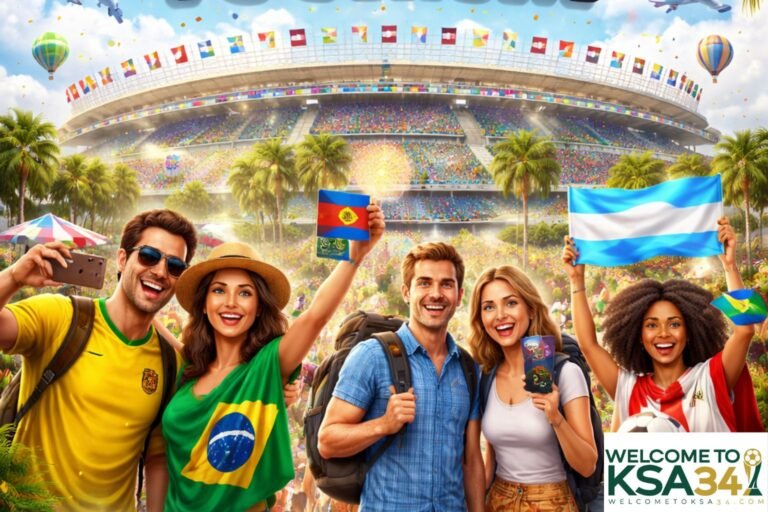
One of the most immediate economic benefits of the World Cup is tourism revenue. Millions of fans are expected to travel to Saudi Arabia, generating a surge in demand for accommodations, restaurants, transport, and local attractions.
International Exposure
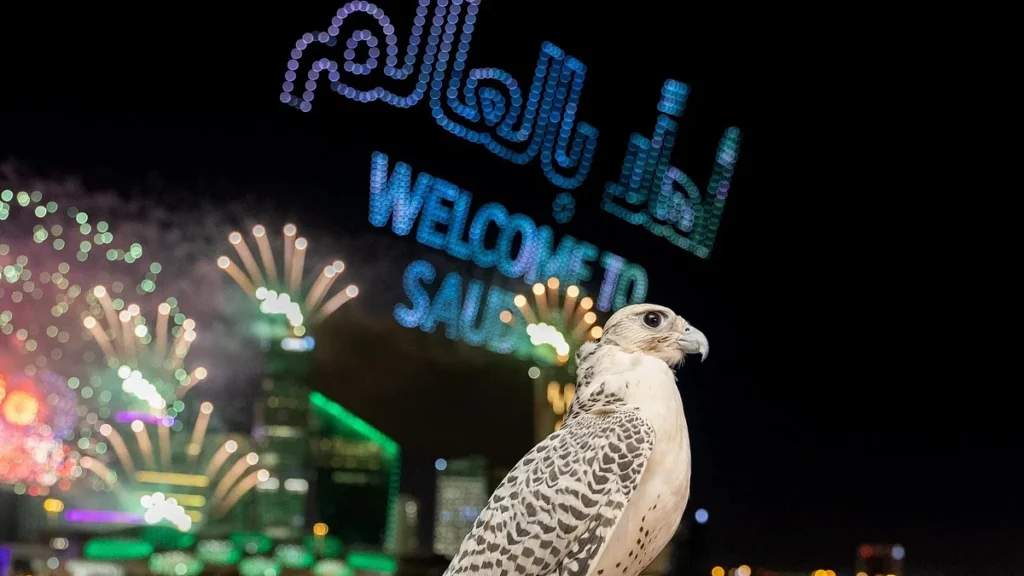
The World Cup is one of the most-watched events globally, with billions tuning in across TV, streaming platforms, and social media. Hosting the tournament provides Saudi Arabia with a once-in-a-generation marketing opportunity, showcasing its culture, history, and modern cities to a worldwide audience.
This global exposure is likely to attract tourists even after 2034, boosting long-term tourism growth. International visitors often return for leisure, business, or cultural events, creating a multiplier effect for the hospitality sector.
Hospitality and Accommodation
Hotels, resorts, and other accommodation providers are gearing up for the influx. From luxury hotels in Riyadh to boutique accommodations in smaller cities, the demand is expected to surge exponentially. This not only increases revenue for existing properties but also encourages the development of new hospitality ventures.
Temporary accommodations, such as fan villages and pop-up hotels, may also be established to handle peak demand. These solutions not only meet immediate needs but can later be repurposed for residential or tourism use, contributing to long-term urban planning.
Local Experiences and Cultural Tourism
Beyond football, visitors will explore Saudi Arabia’s rich heritage, deserts, beaches, and modern attractions. Cultural tourism will see a boost, with fans visiting landmarks such as Diriyah, Al-Ula, and historic mosques. Local businesses—restaurants, tour operators, artisans, and souvenir shops—will benefit from increased spending.
The World Cup will encourage the development of new tourist-friendly experiences, including guided city tours, desert excursions, and cultural festivals. This diversified tourism growth can sustain economic benefits for decades.
3. Job Creation: Opportunities Across Sectors
The economic impact of the World Cup extends far beyond infrastructure and tourism. Employment opportunities will expand across multiple sectors, offering both short-term and long-term benefits.
Construction and Engineering Jobs
The building of stadiums, hotels, transport networks, and fan zones will create significant demand for engineers, architects, construction workers, and project managers. According to industry estimates, tens of thousands of jobs could be generated in this sector alone. Many of these positions will provide training and skill development, contributing to the Kingdom’s human capital.
Hospitality and Tourism Jobs
With millions of international visitors expected, the hospitality sector will see an unprecedented surge in hiring. Hotels, restaurants, event venues, and entertainment providers will require staff in areas such as guest services, food and beverage, tour operations, and logistics. Many of these roles could transition into permanent positions, particularly as Saudi Arabia aims to establish itself as a long-term tourist destination.
Event Management and Security
Hosting a global event of this scale demands expertise in event planning, coordination, and security. Professionals in crowd management, logistics, emergency response, and digital ticketing will be in high demand. Beyond the World Cup, these skills can transfer to other large-scale events, festivals, and international conferences in Saudi Arabia.
4. Long-Term Business Opportunities
The World Cup provides a unique platform for sustainable business growth. Companies can leverage the event to expand operations, enter new markets, and innovate.
International Investment
The global spotlight on Saudi Arabia will likely attract foreign direct investment (FDI). International businesses may invest in hospitality, transport, retail, technology, and entertainment sectors to capitalize on the growing market. This inflow of investment can create long-lasting economic benefits, including partnerships, joint ventures, and knowledge transfer.
Local Entrepreneurship
Local entrepreneurs can seize opportunities by offering services tailored to fans, teams, and businesses. From innovative fan engagement platforms to hospitality startups, the World Cup will foster a culture of innovation. Government-backed initiatives and private sector collaboration can further support these ventures, strengthening the Saudi economy for years to come.
Technology and Innovation
Saudi Arabia is emphasizing smart and sustainable infrastructure for the World Cup. This includes energy-efficient stadiums, advanced digital ticketing, and AI-driven crowd management systems. The deployment of such technologies positions Saudi Arabia as a regional hub for innovation, attracting tech companies and fostering research and development.
5. Economic Multiplier Effects
The economic impact of the World Cup extends far beyond direct spending. Multiplier effects occur when the money generated circulates through the economy, benefiting multiple sectors.
- Increased consumer spending: Fans and businesses will spend on accommodation, food, transport, merchandise, and entertainment.
- Supply chain growth: Local suppliers for construction materials, food, and services will see increased demand.
- Tax revenue boost: Higher spending translates to increased government revenue, which can be reinvested in public services and infrastructure.
These multiplier effects create sustainable growth that benefits communities across Saudi Arabia, not just major cities.
6. Promoting Saudi Arabia’s Global Image
Economic impact isn’t only measured in dollars; it’s also reflected in global reputation and brand value. Hosting the FIFA World Cup allows Saudi Arabia to:
- Showcase modernization: Demonstrating cutting-edge stadiums, smart cities, and hospitality innovation.
- Promote tourism: Highlighting cultural heritage, natural beauty, and unique experiences.
- Attract international events: Successful execution of the World Cup can pave the way for more global sporting and cultural events.
The enhanced international profile can translate into long-term economic and diplomatic advantages, attracting businesses, tourists, and talent from around the world.
7. Challenges and Opportunities for Sustainable Growth
While the economic prospects are promising, Saudi Arabia faces challenges that must be managed to maximize benefits:
- Managing infrastructure costs: Large-scale projects require careful planning to avoid overspending.
- Ensuring sustainable tourism: Preventing environmental degradation and maintaining local culture is key.
- Training workforce: Ensuring that jobs created are filled by trained and skilled professionals.
Addressing these challenges effectively will maximize long-term returns, ensuring that the World Cup leaves a lasting positive legacy.
8. Lessons from Past Host Countries
Looking at previous World Cups provides valuable insights:
- Qatar 2022: The tournament drove infrastructure growth, job creation, and international tourism. However, costs were extremely high, emphasizing the need for efficient planning.
- Russia 2018: Investments in stadiums and cities improved urban infrastructure, but long-term use of some facilities remains limited.
- South Africa 2010: Boosted tourism and global recognition, but long-term economic gains were uneven.
Saudi Arabia can learn from these experiences to ensure that economic benefits are broad-based, sustainable, and inclusive.
Conclusion
The FIFA World Cup 2034 is more than just a sporting spectacle for Saudi Arabia. It represents an unprecedented economic opportunity, with far-reaching impacts on infrastructure, tourism, job creation, and business growth. From the construction of state-of-the-art stadiums to the rise of new entrepreneurial ventures, the Kingdom stands to reap enormous benefits both during the tournament and for decades afterward.
By leveraging international exposure, fostering sustainable tourism, and encouraging technological innovation, Saudi Arabia can ensure that the 2034 World Cup is not just a memorable sporting event, but a transformative moment in the Kingdom’s economic history.
The World Cup will shine a global spotlight on Saudi Arabia, but more importantly, it will kickstart a new era of economic growth, global recognition, and lasting legacy—a true game-changer for generations to come.