Climate & Packing Guide for December/January in Saudi Arabia (Winter Travel)
The Saudi Arabia guide for December and January is one of the best times to visit: sunny days, cooler air, and far more comfortable sightseeing than summer. The big thing to remember is that Saudi winter is not the same everywhere—a Red Sea city like Jeddah feels warm and humid, while desert areas and the north can get genuinely cold at night (sometimes close to freezing during cold-wave periods).
Below is a practical, “pack-right-the-first-time” guide for your trip.
1) What the weather feels like in December/January
Central Saudi (Riyadh, Qassim, many inland cities)
- Days: pleasantly mild.
- Nights: can feel cold fast after sunset (dry air + wind).
- Typical winter range for Riyadh is often cited around 8°C–20°C.
Packing note: layers matter more than thick single items.
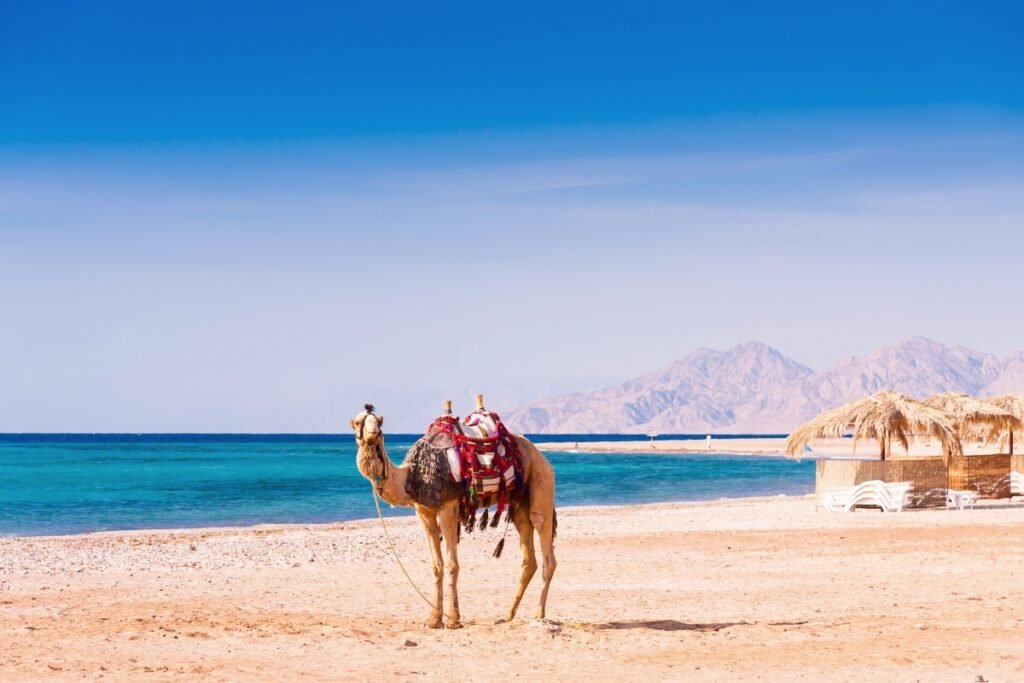
Red Sea coast (Jeddah, Yanbu)
- Generally warmer and more humid than inland.
- Even in winter, it can feel “T-shirt warm” in the daytime, but evenings are comfortable rather than cold. (Jeddah’s coldest month is January, but it remains warm compared to inland cities.)
Packing note: light layers + breathable fabrics.
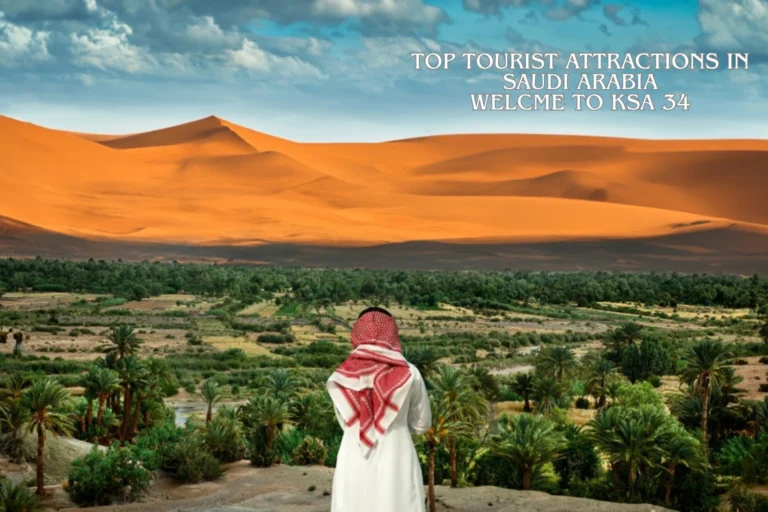
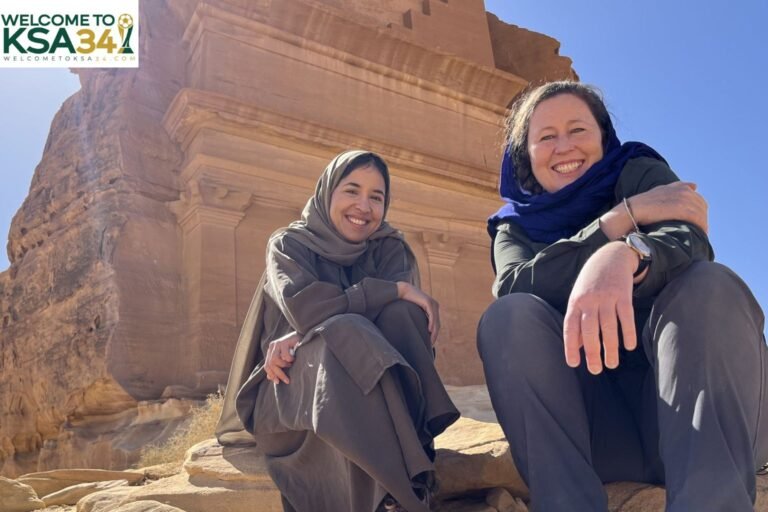
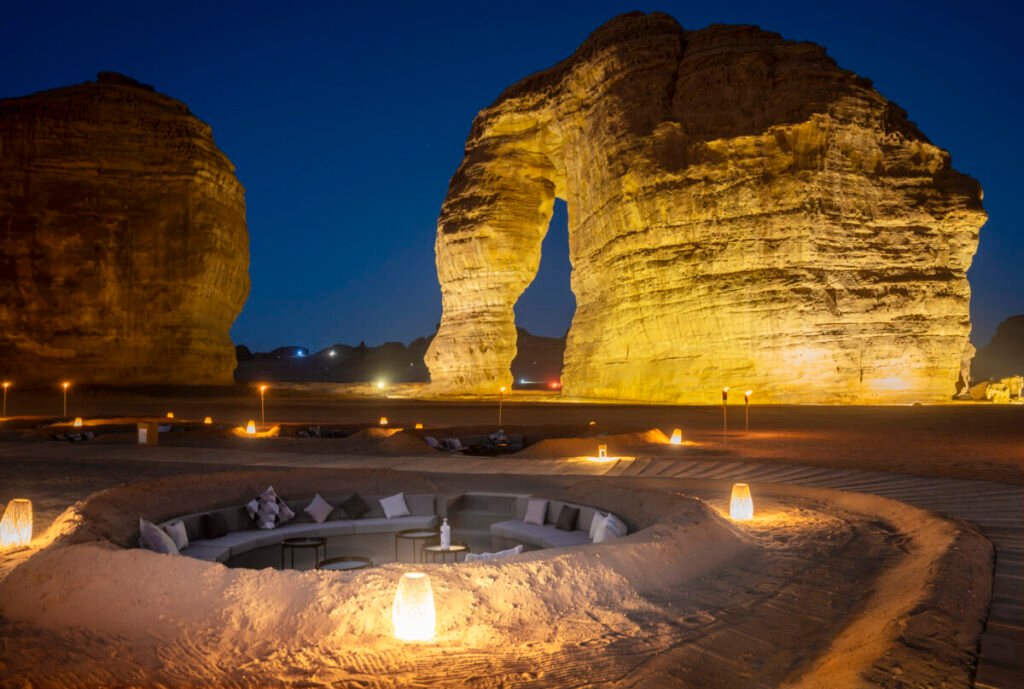
Desert & heritage destinations (AlUla, parts of the north-west)
- Beautiful winter days, chilly nights.
- AlUla’s coldest month is January, with average lows around ~4°C and highs around ~21°C (approx.).
Packing note: a real warm layer is non-negotiable if you’re doing sunrise tours or desert nights.
Highlands (Abha, Asir region)
- Cooler year-round due to altitude.
- January can average around ~8°C low / ~17°C high (approx.).
Packing note: expect cooler mornings and evenings; bring warmer clothing than you would for Jeddah.
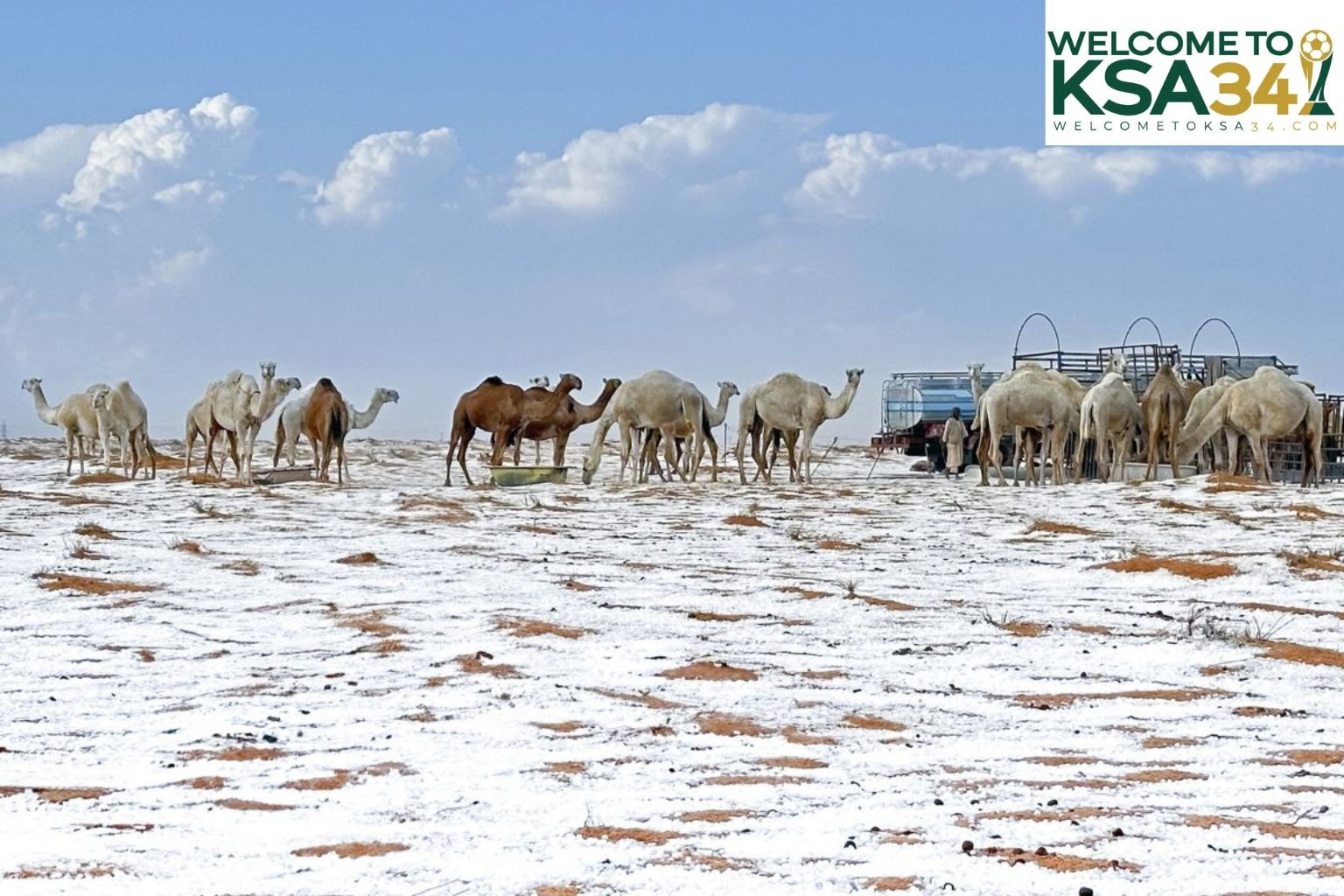
“Yes, it can get very cold sometimes”
Some winters bring cold-wave events that push parts of the north/central regions below 0°C for short periods. The Saudi National Center for Meteorology (NCM) issues alerts, and local news often reports sub-zero forecasts during these spells.
2) The smartest way to pack: think “layers”
Saudi winter can swing a lot between sunny afternoon and cool evening, especially inland. Your best strategy is:
Base layer (comfort) → Mid layer (warmth) → Outer layer (wind/cold nights)
This approach keeps your bag lighter and prevents overpacking.
3) Winter packing checklist (December/January)
Clothes (works for most itineraries)
- 3–5 breathable long-sleeve tops (easy to layer)
- 1–2 lightweight sweaters / fleece
- 1 packable jacket or windbreaker (great for desert evenings)
- 2–3 trousers/jeans (comfortable walking)
- 1 modest “smart” outfit (malls, nicer dinners, business settings)
- Sleepwear that keeps you warm (hotel AC can feel cold at night)
Footwear
- Comfortable walking shoes (daily sightseeing)
- Optional: sandals (coastal cities / hotel)
- Optional: ankle boots (desert nights / north / highlands)
Accessories that matter more than people expect
- Sunglasses (winter sun is still strong)
- Sunscreen (yes, even in winter)
- Lip balm + moisturiser (dry air inland is real)
- Light scarf/shawl (useful for wind, modesty, and mosque visits)
- Reusable water bottle (dehydration sneaks up in dry climates)
Tech & essentials
- Universal travel adaptor + power bank
- Small daypack
- Basic meds (headache, cold/flu, stomach)
- Tissues + hand sanitiser
4) What to pack based on your trip type
If you’re doing Riyadh + AlUla (classic winter route)
Add:
- warmer mid-layer (fleece/sweater)
- a slightly thicker jacket for evenings
- warm socks for early mornings / night tours
AlUla’s winter nights can be quite cold compared to the daytime.
If you’re doing Jeddah / Red Sea
Focus on:
- breathable fabrics (cotton/linen blends)
- one light jacket for evenings
- comfortable shoes + sandals
Jeddah stays warmer than inland Saudi Arabia through winter.
If you’re visiting north/northwest (Tabuk region)
Add:
- warmer jacket, gloves if you get cold easily
- be ready for sudden temperature drops during cold waves
NCM warnings can include sub-zero forecasts in some northern/central areas in certain periods.
If you’re coming for Umrah (Makkah/Madinah) in winter
Bring:
- comfortable walking shoes (you’ll walk a lot)
- warm layer for early morning (Fajr) and late evening
- modest, loose clothing that layers easily
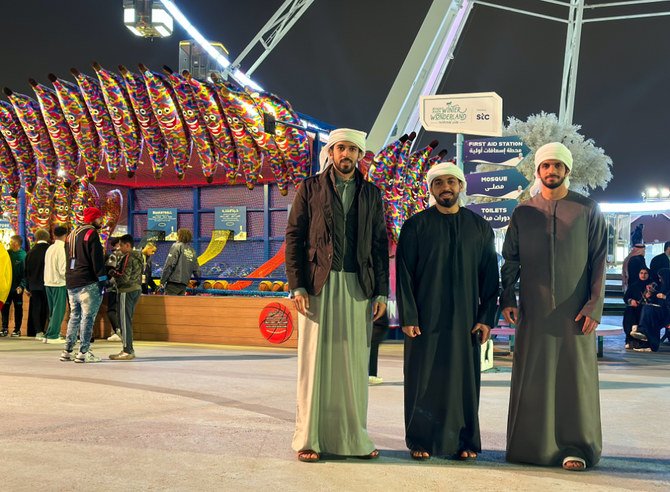
5) Cultural dressing tips (simple and respectful)
Saudi dress norms are generally modest in public spaces. The easiest rule for visitors is:
- looser fits
- covered shoulders and knees
- layers (also solves the temperature swings)
A scarf/shawl is a useful “one-item fix” for many situations.
6) Quick “don’t get caught out” winter tips
- Desert nights feel colder than the temperature number (wind + open space).
- Indoor AC can be chilly—keep one warm layer in your day bag.
- Check NCM alerts before long drives or desert trips (cold waves, rain, and visibility issues can affect plans).
FAQs
1. Is December/January cold in Saudi Arabia?
In many places it’s mild, but nights can be cold inland, and some northern areas can dip near freezing during cold-wave events.
2. Do I need a heavy coat?
Usually no for cities like Jeddah. For AlUla, highlands (Abha), or the north, a warmer jacket is a good idea—especially for evening tours.
3. Can I wear shorts?
In tourist areas you may see it, but generally light trousers are a safer, more comfortable, and more respectful choice (also better for sun/wind).