FIFA World Cup 2026 Explained | Full Details, Format, Teams & Stadiums
The FIFA World Cup 2026 will be unlike any previous edition in the tournament’s storied history. It is the first to feature 48 teams, the first to be hosted by three nations, and the first to embrace a large-scale technology-forward fan experience. Beyond football, it stands as a monumental global event, shaping tourism, economics, sustainability policies, and international partnerships.
This article explores everything you need to know about the 2026 World Cup—from history, host-nation preparations, stadium architecture, qualifying rules, logistics, and new game innovations to fan experiences, economic projections, sustainability goals, and fascinating facts.
1. A Brief History Leading to the 2026 Tournament
The FIFA World Cup began in 1930, hosted by Uruguay, with only 13 teams. Over the decades, the tournament expanded in size, prestige, and global influence. Key milestones include:
- 1930–1978: 13–16 teams
- 1982: Expanded to 24 teams
- 1998: Expanded to 32 teams
- 2026: Expands to 48 teams for the first time
This growth reflects football’s rapid internationalization. By the 2010s, global television audiences exceeded 3.5 billion viewers, making the World Cup the most watched sporting event on earth.
On June 13, 2018, FIFA awarded the 2026 hosting rights to the United Bid of the United States, Canada, and Mexico. They won with 134 votes against Morocco’s 65, marking a historic multi-country collaboration.
The 2026 edition is designed to:
- Create expanded global representation
- Increase revenue through more matches
- Leverage modern stadiums and infrastructure
- Strengthen football development across North America

2. Host Nations and Their Vision
The 2026 World Cup will be hosted jointly by:
- United States
- Canada
- Mexico
This is only the second time a World Cup will be held across multiple countries (after Japan & Korea in 2002), but the first time with three hosts.
2.1 United States – The Primary Host
The USA will host 60 out of 104 matches, including:
- Quarter-finals
- Semi-finals
- Final
FIFA selected the U.S. as the primary host because of:
- Its world-class stadiums
- Massive TV market
- Advanced transport systems
- Hosting success in the 1994 World Cup
2.2 Canada – A Rising Football Nation
Canada will host 10 matches, marking a major step for the country after:
- The success of Toronto FC
- Growth of the Canadian Premier League
- Development of world-class players like Alphonso Davies and Jonathan David
2.3 Mexico – A Historic Football Country
Mexico becomes the first nation ever to host the tournament three times (1970, 1986, 2026).
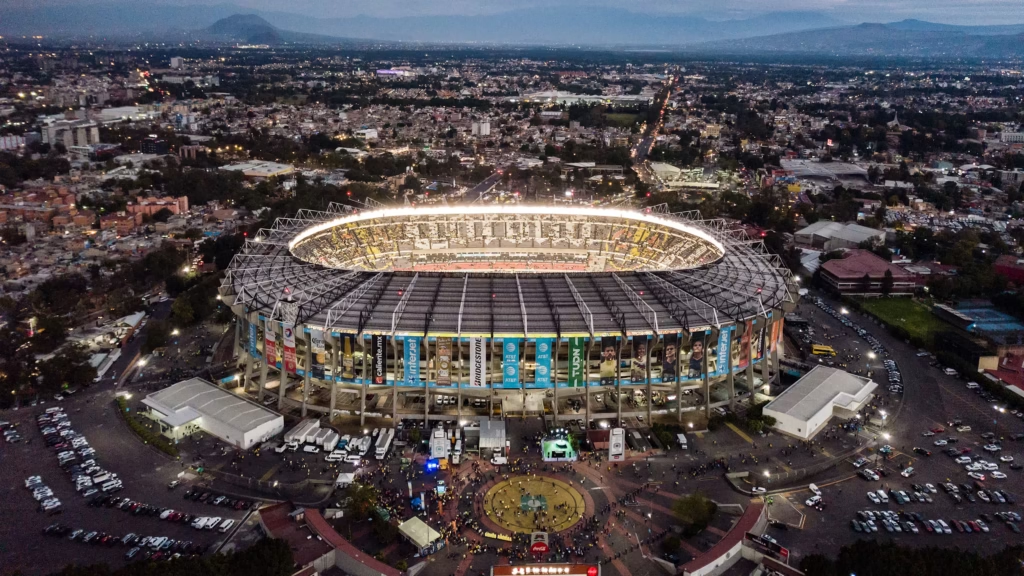
It will host 10 matches, including several in the iconic Estadio Azteca, where legends like Pelé and Maradona made history.
3. Stadiums: Architecture, Features, and Capacity
The 2026 World Cup will use 16 stadiums across the three countries. Many are modern NFL or multi-purpose arenas with capacities exceeding 60,000.
3.1 United States Stadiums (11)
| City | Stadium | Capacity | Notes |
|---|---|---|---|
| New York/New Jersey | MetLife Stadium | 82,500 | Expected to host the Final |
| Los Angeles | SoFi Stadium | 70,000+ | Ultra-modern, futuristic design |
| Dallas | AT&T Stadium | 80,000–100,000 | Expandable; candidate for biggest match |
| Atlanta | Mercedes-Benz Stadium | 71,000 | Known for its retractable “camera lens” roof |
| Miami | Hard Rock Stadium | 65,000 | Elite hospitality experience |
| Houston | NRG Stadium | 72,000 | Used for major NFL events |
| San Francisco | Levi’s Stadium | 68,000 | Sustainable with solar panels |
| Seattle | Lumen Field | 68,000 | Famous for loud fan atmosphere |
| Kansas City | Arrowhead Stadium | 76,000 | Hosts passionate NFL fanbase |
| Boston | Gillette Stadium | 65,000 | Located in Foxborough |
| Philadelphia | Lincoln Financial Field | 69,000 | Strong sports culture |
Architectural Highlights
- SoFi Stadium features a transparent roof membrane and 4K video screen that wraps around the field.
- AT&T Stadium includes one of the world’s largest LED screens, creating a theatrical viewing environment.
- Levi’s Stadium is one of the most eco-friendly sports venues ever built, with solar power systems and recycled water usage.
3.2 Canada Stadiums (2)
| City | Stadium | Capacity | Notes |
|---|---|---|---|
| Toronto | BMO Field | ~45,000 (expanded) | Will undergo temporary seating expansion |
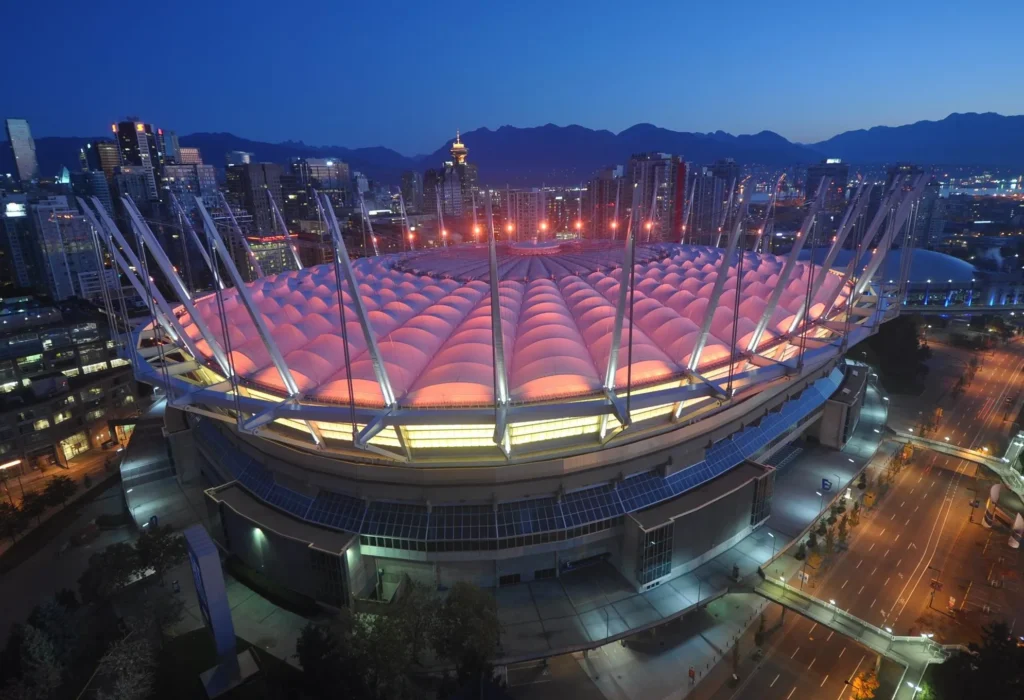
| Vancouver | BC Place | 54,500 | Covered stadium ideal for weather protection |
3.3 Mexico Stadiums (3)
| City | Stadium | Capacity | Notes |
|---|---|---|---|
| Mexico City | Estadio Azteca | 87,000 | First stadium to host 3 World Cups |
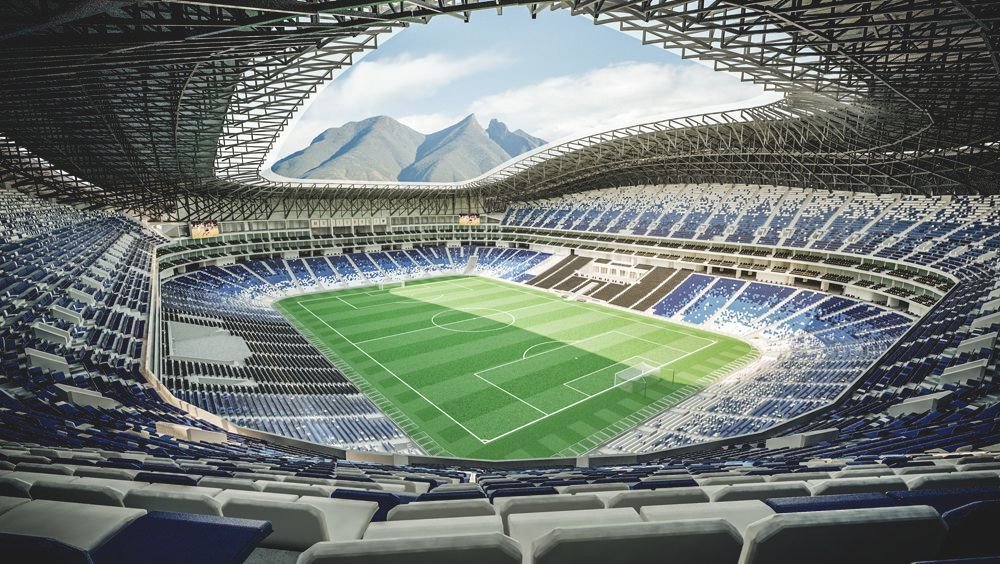
| Monterrey | Estadio BBVA | 53,500 | Modern architecture with mountain backdrop |
| Guadalajara | Estadio Akron | 48,000 | Known for circular, wave-like roof |
4. Qualification Format for 48 Teams
With 48 teams, the World Cup introduces a major expansion to global representation.
4.1 Qualification Slots by Confederation
| Confederation | Slots | Notes |
|---|---|---|
| UEFA (Europe) | 16 | Highest allocation |
| CAF (Africa) | 9 + 1 play-off | Reflects football growth in Africa |
| AFC (Asia) | 8 + 1 play-off | Matches rising Asian talent |
| CONMEBOL (South America) | 6 + 1 play-off | Nearly full regional participation |
| CONCACAF (North America) | 6 (including 3 hosts) | Big opportunity for Central American teams |
| OFC (Oceania) | 1 + 1 play-off | Guarantees qualification for first time |
4.2 Automatic Qualification
- United States
- Canada
- Mexico
4.3 Group Stage Structure
The new 48-team layout features:
- 12 groups of 4 teams
- Top 2 teams from each group advance
- 8 best third-place teams also advance
- Creates a 32-team knockout round
4.4 Benefits of the 48-Team Format
- More countries participate
- More matches for broadcasters
- Higher excitement with expanded knockout rounds
- Increases global football development
5. New Rules and Match Innovations
The 2026 World Cup is expected to introduce or expand several innovations:
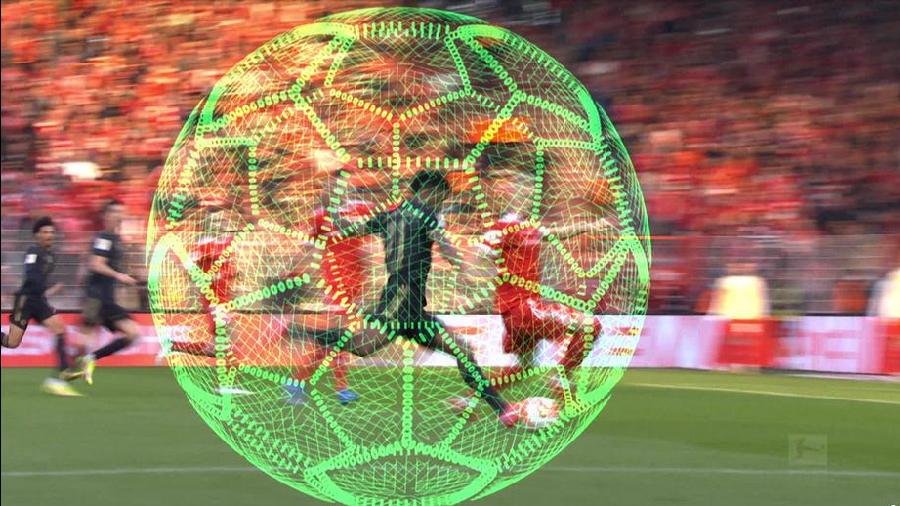
5.1 Semi-Automated Offside Technology
Used in Qatar 2022, but will be further:
- Faster
- More accurate
- Integrated with stadium screens for transparency
5.2 Expanded VAR Features
VAR may be able to:
- Review more types of incidents
- Provide real-time audio explanations
5.3 Larger Squad Sizes
Due to travel demands and congested schedules, FIFA may allow:
- 26-player squads
- More substitutions
5.4 Improved Goal-Line Technology
Even faster sensor accuracy combined with ball chip technology.

5.5 Power-Focused Scheduling
Matches will be spaced to reduce:
- Player fatigue
- Heat stress
- Travel intensity
6. Team Predictions and Contenders
While qualification is ongoing, several teams will be major contenders.
6.1 Favorites
- France – Incredible squad depth
- Brazil – Historically dominant
- Argentina – Messi era transition, yet powerful
- England – Strong young generation
- Portugal – Post-Ronaldo rejuvenation
- Germany – Rebuilding but always dangerous
6.2 Dark Horses
- Morocco – Semifinalists in 2022
- Japan – One of the fastest-rising national teams
- USA – Home advantage + young talent
- Senegal – Strong physical and technical team
- Croatia – Experienced midfield
6.3 Potential Debutants
Thanks to expanded slots, new nations may qualify from:
- Africa
- Asia
- Oceania
7. Travel Logistics Across Three Countries
Travel is one of the most complex aspects of the 2026 World Cup.
Key Challenges
- Long distances between host cities
- Time zone differences
- Climate variations (hot in Mexico, mild in Canada, varied in USA)
- Custom border requirements
Solutions
FIFA will create:
- Regional clusters for early matches
- Charter flight routes
- Simplified cross-border entry protocols
- Shuttle transport for fans and teams
8. Economic Impact of the 2026 World Cup
The event is expected to generate $5–10 billion in economic output across North America.
8.1 United States
Forecasted benefits:
- Tourism surge
- Job creation
- Increased local business revenue
- Infrastructure improvement
8.2 Canada
Impact includes:
- Increased global visibility
- Boost to hospitality and tourism
- Long-term football development
8.3 Mexico
Expected gains:
- Rise in international tourism
- Stadium renovations
- Strengthened sports economy
9. Sustainability Goals and Green Initiatives
FIFA has adopted strict sustainability guidelines for 2026.
Key Sustainability Requirements
- Reduced carbon emissions
- Renewable energy usage
- Waste reduction in stadiums
- Eco-friendly transport options
- Community-based environmental education
Stadium examples
- Levi’s Stadium uses solar power and recycled water
- BC Place uses a retractable eco-roof to reduce energy use
- Mercedes-Benz Stadium is LEED Platinum certified
10. Broadcasting & Technology Enhancements
The 2026 World Cup will feature the most advanced broadcasting experience ever created.
10.1 4K and 8K Coverage
Fans worldwide will enjoy ultra-high-definition streams.
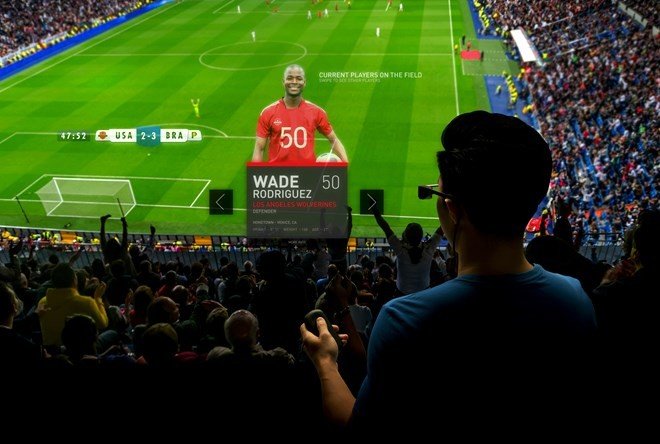
10.2 Real-Time Player Data
Broadcasters will display:
- Running speed
- Distance covered
- Heat maps
- Pass accuracy
10.3 AR/VR Fan Enhancements
Fans may experience:
- Virtual stadium tours
- Augmented replays
- 360° interactive camera angles
10.4 AI-Assisted Analytics
AI will help:
- Break down tactics
- Predict match outcomes
- Enhance commentary
11. Fan Experience and Ticketing
The 2026 World Cup aims to deliver the best fan experience in tournament history.
11.1 Ticketing
Tickets will be digital and offer:
- Scannable QR codes
- Anti-scalping measures
- Real-time availability updates
11.2 Fan Zones
Large fan parks with:
- Live screenings
- Food festivals
- Cultural showcases
- Entertainment zones
11.3 Accessibility
Features include:
- Wheelchair seating
- Sign language services
- Audio-described commentary
11.4 Hospitality
Premium ticket packages will provide:
- VIP lounges
- Gourmet dining
- Exclusive seating
12. Comparing the 2026 World Cup with Past Editions
12.1 More Teams Than Ever Before
- 1930: 13 teams
- 1998–2022: 32 teams
- 2026: 48 teams
12.2 More Matches
- Previous editions: 64 matches
- 2026 edition: 104 matches
12.3 Global Diversity Growth
More nations from Africa, Asia, and Oceania will finally compete ahead of the World Cup 2034.
12.4 Technological Leap
Qatar 2022 introduced advanced stadium cooling and semi-automated offsides.
2026 will take the next step with:
- Real-time tactical AI
- Advanced stadium infrastructures
- High-end sustainability measures
13. Interesting and Lesser-Known Facts
Here are fascinating details fans often overlook:
⭐ 1. Estadio Azteca will host its third World Cup, a historic first.
⭐ 2. This will be the largest World Cup ever hosted—48 teams, 104 matches.
⭐ 3. The USA will break records for stadium size and attendance.
⭐ 4. Mexico and Canada will host matches at opposite ends of the climate spectrum—from hot Mexican summers to cool Vancouver evenings.
⭐ 5. The tournament aims to be the most environmentally friendly World Cup ever.
⭐ 6. It may include the most high-tech refereeing system ever used.

14. Final Thoughts: A Tournament That Will Redefine Football
The FIFA World Cup 2026 is shaping up to be the most expansive, technologically advanced, and globally inclusive tournament in football history. With three nations working together, a record number of teams, futuristic broadcasting methods, and sustainability at its core, the event represents both the future of football and the spirit of global cooperation.
From architectural marvels in the USA to cultural richness in Mexico and natural beauty in Canada, the 2026 World Cup promises to captivate audiences and reshape the sporting landscape for decades to come.