Food Lovers special Saudi Cuisine for World Cup Visitors 2034
Saudi Arabia is not only the host of the 34th FIFA World Cup in 2034 but also a destination for food Lovers special eager to experience its rich and diverse culinary culture. Beyond the excitement of stadiums and matches, the Kingdom offers a gastronomic journey that reflects centuries of tradition, regional flavors, and modern innovation.
For fans planning their visit, this guide will showcase Saudi cuisine highlights, must-try dishes, and food experiences that will make your World Cup trip unforgettable.
1. Traditional Saudi Cuisine: A Taste of Heritage
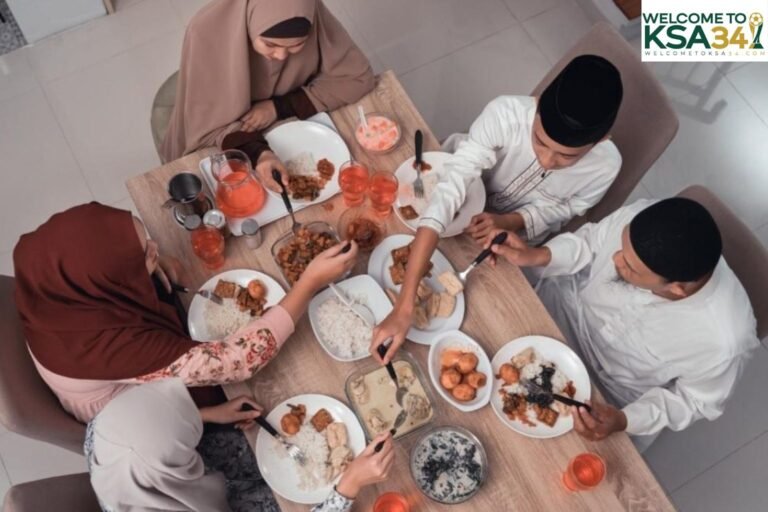
Saudi cuisine is deeply rooted in regional traditions and hospitality. Meals are often shared, emphasizing generosity and community. Some iconic dishes include:
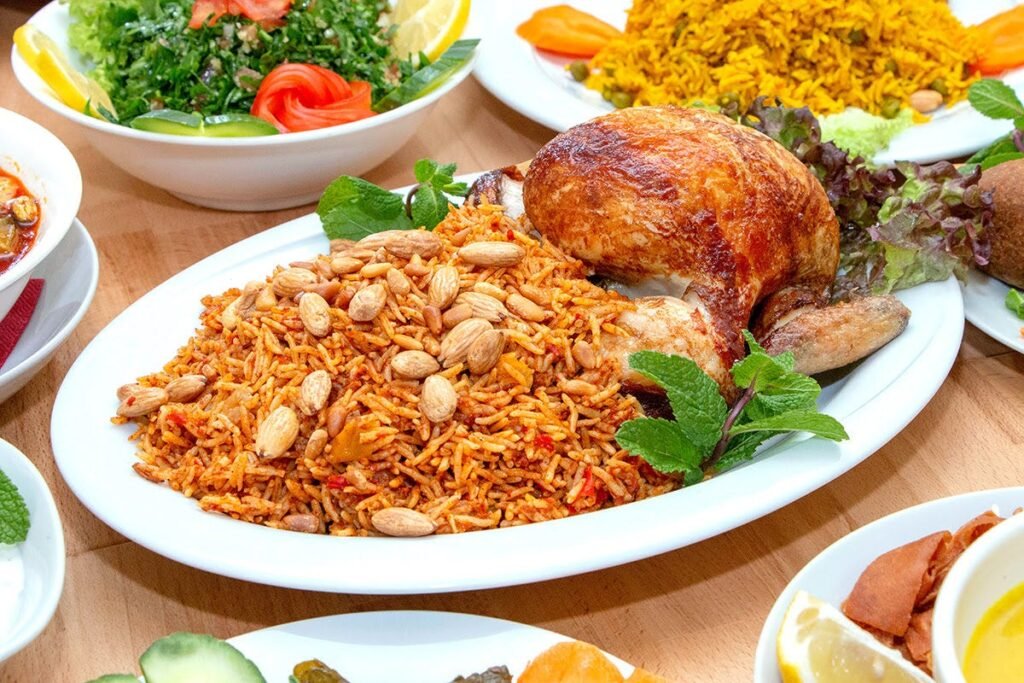
- Kabsa: Fragrant rice cooked with meat (chicken, lamb, or fish) and infused with a blend of spices like cardamom, saffron, and cinnamon.
- Mandi: Slow-cooked meat served over aromatic rice, originating from southern regions.
- Jareesh: Crushed wheat cooked with meat or chicken, often enjoyed in Riyadh and central Saudi Arabia.
- Mutabbaq: A stuffed pancake filled with meat, vegetables, or cheese — a popular street food snack.
Tip for Visitors: Many restaurants offer tasting platters, allowing you to sample multiple dishes in one sitting — perfect for first-time visitors.
2. Street Food Adventures
Saudi street food offers a fast, flavorful way to experience local culture. Popular options include:
- Shawarma: Thinly sliced, marinated meat wrapped in flatbread with garlic sauce and pickles.
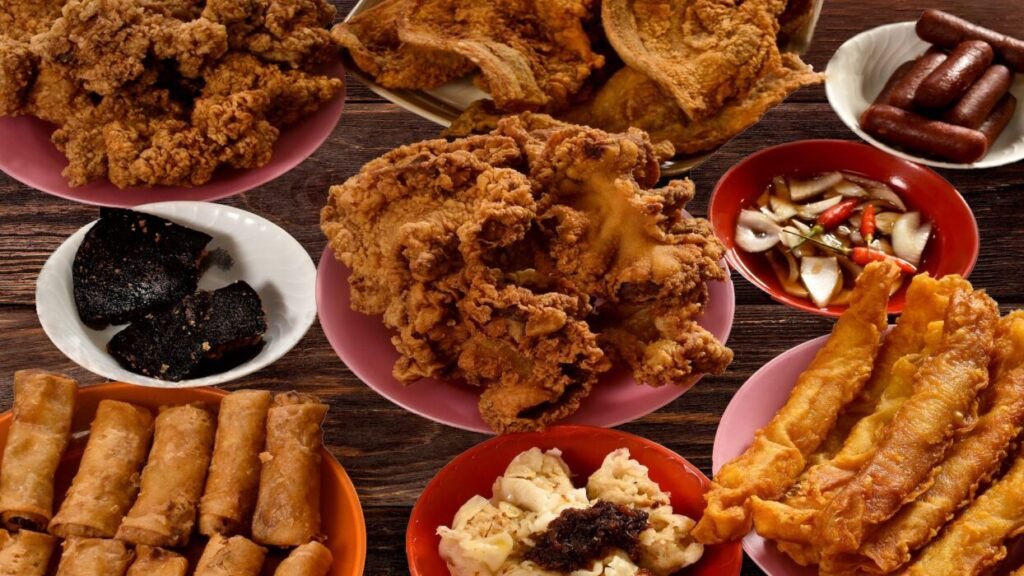
- Sambosa: Deep-fried pastries filled with meat, cheese, or vegetables, especially popular during evening markets.
- Falafel: Crispy chickpea patties served with tahini sauce — a vegetarian-friendly favorite.
Fan Tip: Evening markets and souqs are perfect for trying street food while enjoying a lively atmosphere.
3. Regional Specialties
Saudi Arabia’s cuisine varies by region, offering unique tastes for adventurous food lovers:
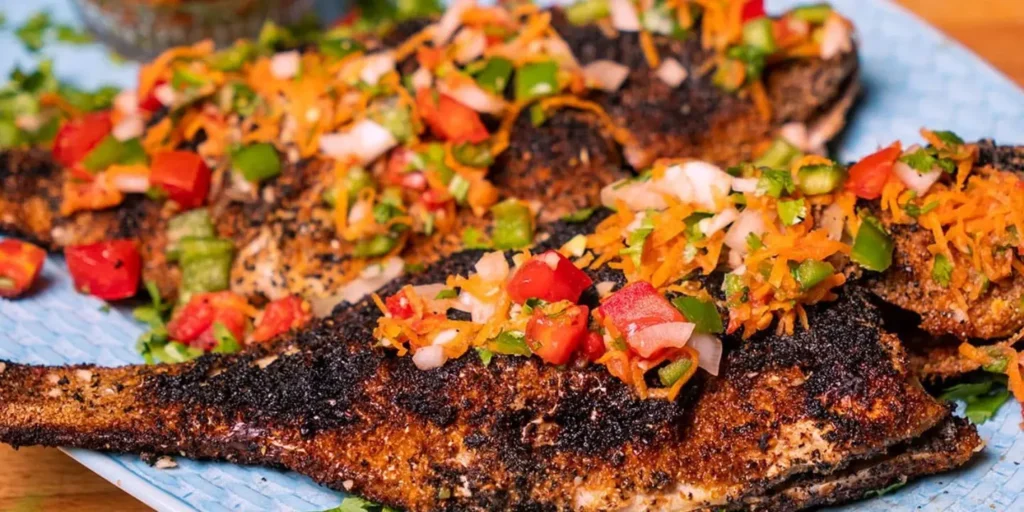
- Eastern Province (Dammam, Al Khobar): Fresh seafood is abundant; try grilled fish, shrimp dishes, and spiced rice meals.
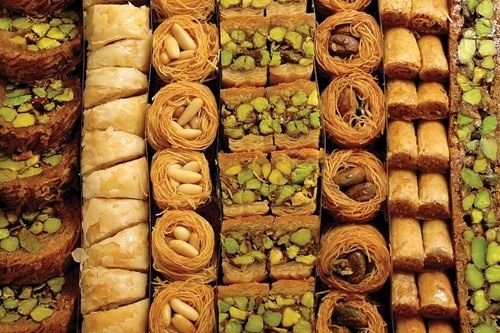
- Western Region (Jeddah): Influences from the Red Sea and Hejaz bring spicy, aromatic dishes, as well as sweets like Baklava and Kunafa.
- Southern Highlands (Abha, Asir): Cool mountain climate favors dishes like Aseedah (a porridge-style dish) and Marqooq, slow-cooked stews with bread.
Tip: Ask locals for recommendations — regional specialties are often best enjoyed at family-run eateries rather than large restaurants.
4. Sweets and Traditional Desserts
No Saudi culinary journey is complete without indulging in sweets:
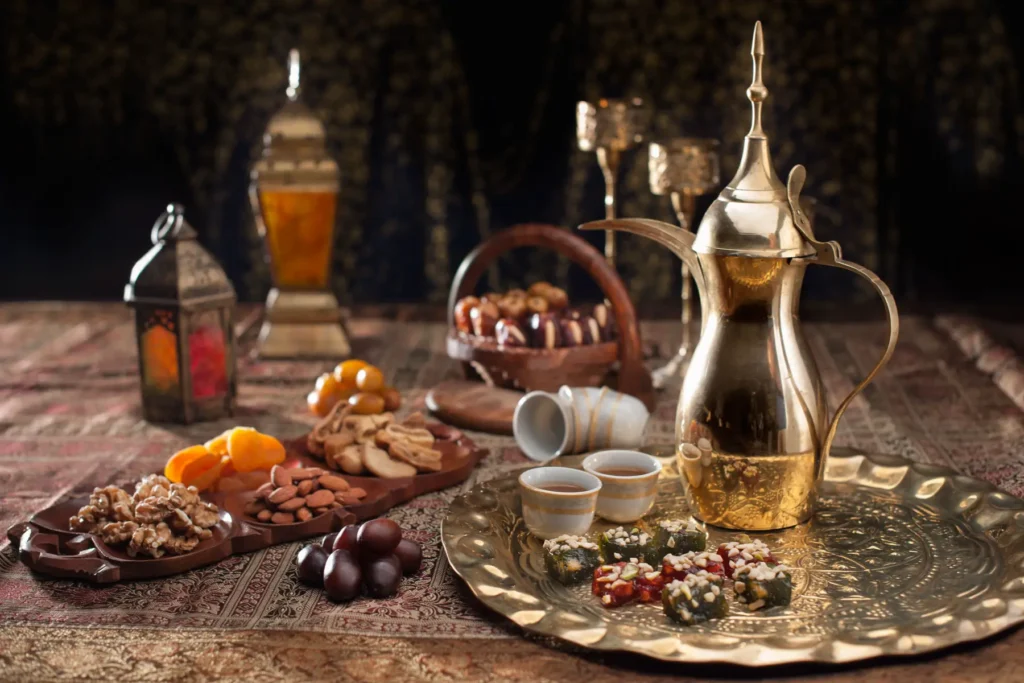
- Dates: Served plain, stuffed with nuts, or coated in chocolate — a staple treat.
- Luqaimat: Deep-fried dough balls drizzled with date syrup or honey.
- Ma’amoul: Shortbread-like cookies filled with dates, nuts, or figs.
Fan Tip: Many cultural festivals and markets feature dessert stalls — perfect for tasting multiple sweets in one visit.
5. Beverages and Traditional Drinks
Traditional drinks complement Saudi cuisine and offer insight into hospitality:
- Arabic Coffee (Qahwa): Served with dates, lightly spiced with cardamom, often poured in small cups as a gesture of welcome.
- Laban (Yogurt Drink): Refreshing and commonly served with meals.
- Tea with Mint or Sage: Popular in southern regions and during cultural gatherings.
Fan Tip: Accepting a cup of coffee or tea when offered is considered a sign of respect and cultural engagement.
6. Dining Experiences for World Cup Visitors
Saudi Arabia’s food scene is evolving rapidly:
- High-End Restaurants: Cities like Riyadh and Jeddah feature gourmet interpretations of traditional dishes.
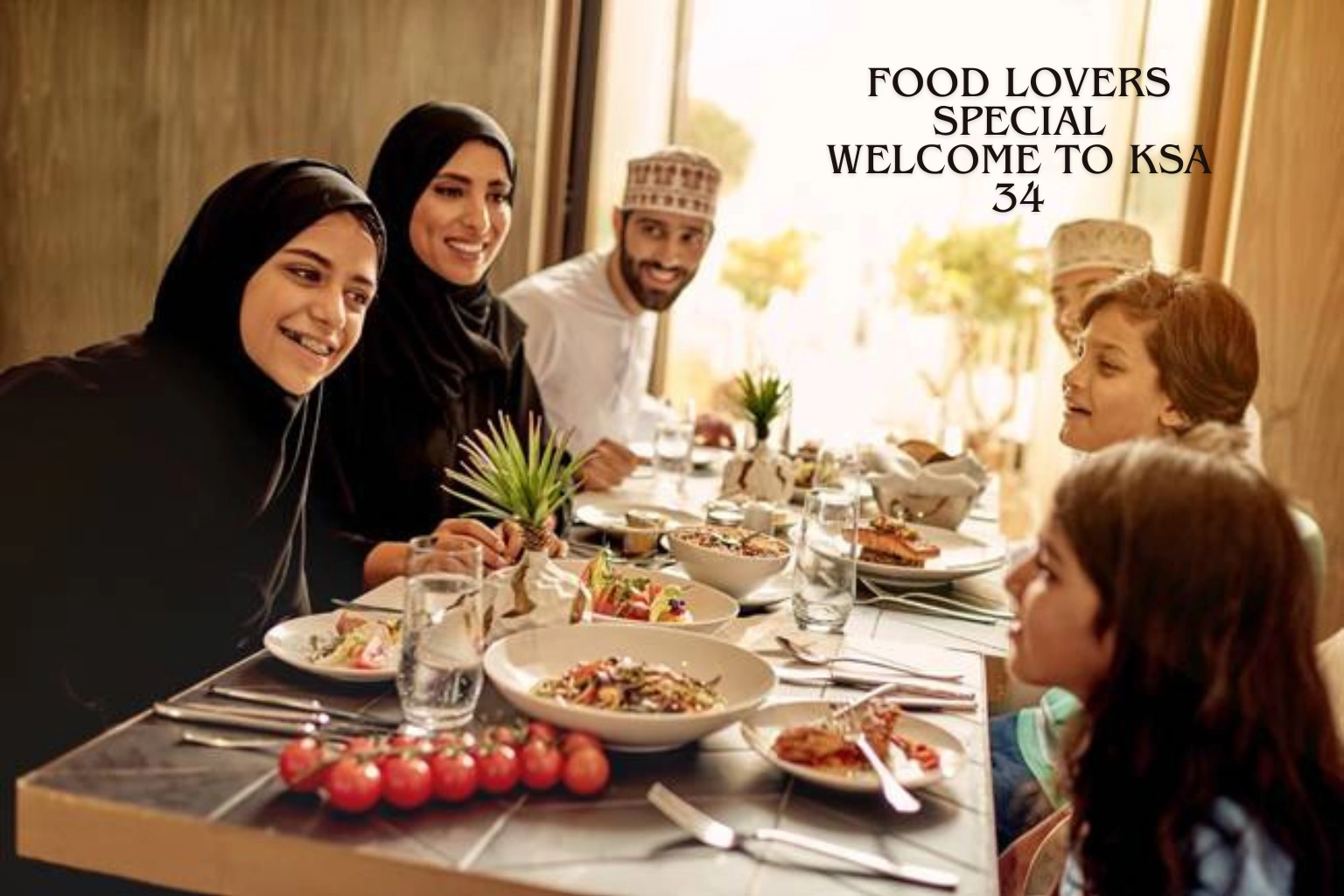
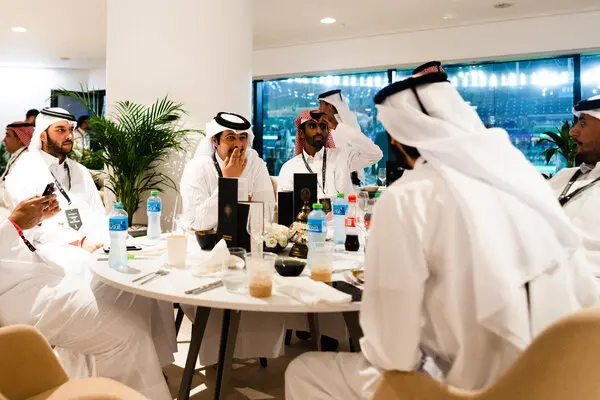
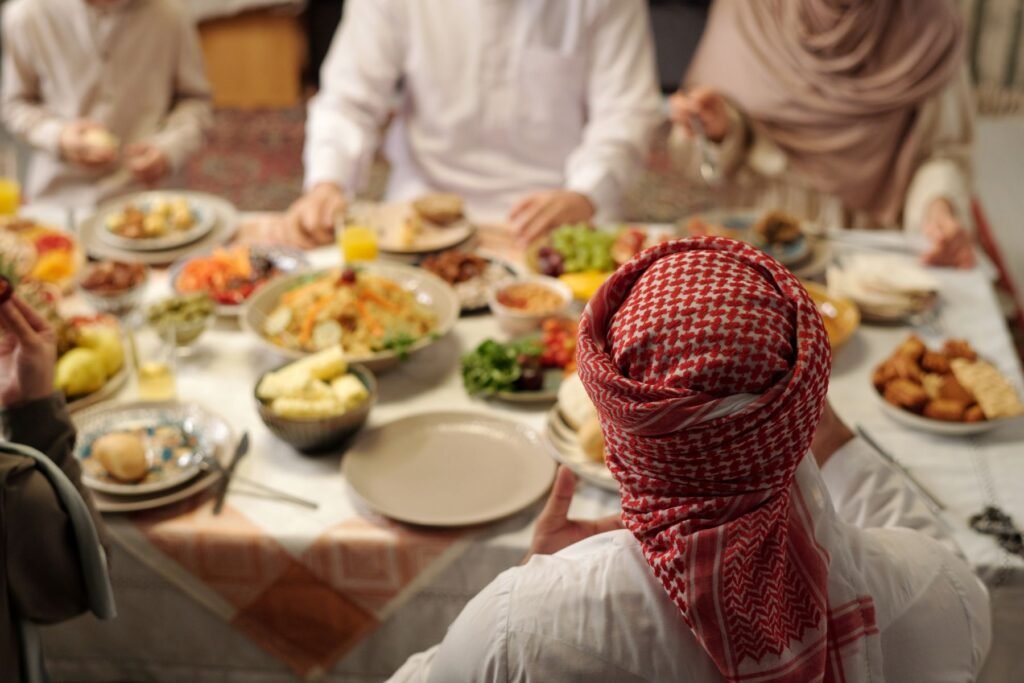
- Cultural Dining: Experience a majlis-style meal, sitting on floor cushions and sharing dishes communally.
- Street Markets & Food Festivals: Perfect for casual tasting and discovering regional specialties.
Tip: Many restaurants and hotels are offering World Cup-themed menus and experiences in 2034 — be sure to check in advance.
7. Food Etiquette and Tips
- Sharing is Key: Meals are communal; it’s polite to share dishes and try multiple items.
- Respect Religious Practices: Alcohol is prohibited in Saudi Arabia. Be mindful of prayer times when visiting eateries.
- Modesty and Respect: Dress modestly in traditional and local dining areas.
- Tipping: While not mandatory, tipping 10% is appreciated in restaurants.
8. Must-Visit Food Destinations
- Riyadh: Try Kabsa at local heritage restaurants and street food at bustling markets.
- Jeddah: Explore Red Sea seafood, sweets, and souqs for traditional flavors.
- AlUla: Desert dining experiences with traditional meals under the stars.
- Abha & Asir Mountains: Mountain cuisine with slow-cooked stews and fresh bread.
Final Thoughts
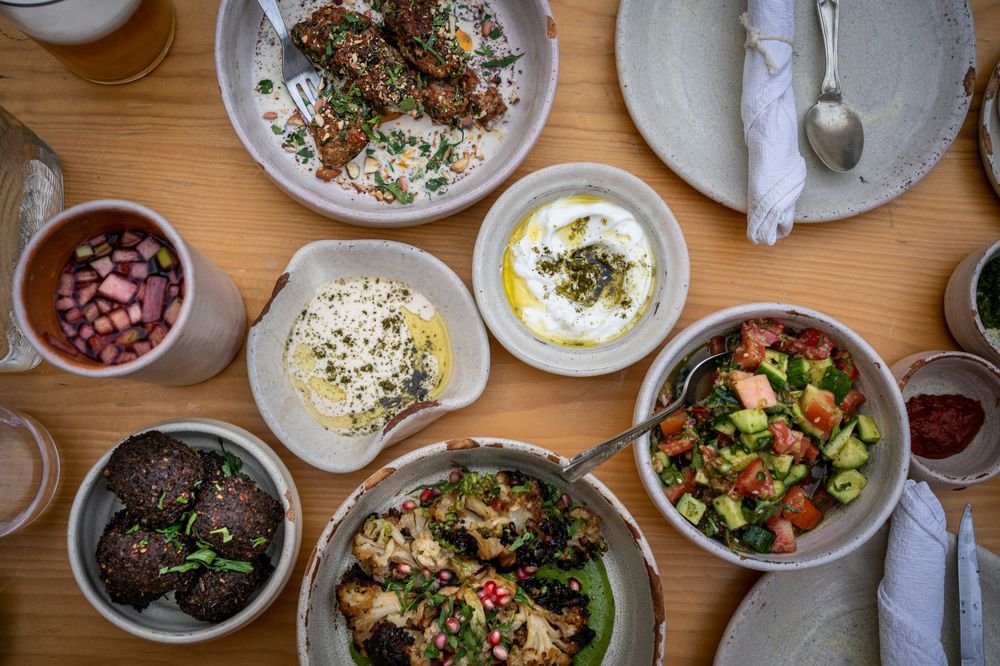
For World Cup 2034 visitors, Saudi Arabia is more than football — it’s a culinary adventure. From aromatic rice dishes and freshly caught seafood to sweet treats and traditional beverages, the Kingdom offers a feast for every palate.
By exploring local restaurants, street markets, and cultural dining experiences, fans will leave not just with memories of thrilling matches but also with a deep appreciation for Saudi Arabia’s rich culinary heritage.
1. What are the must-try traditional Saudi dishes for World Cup visitors?
Fans should try Kabsa, Mandi, Jareesh, Mutabbaq, and Shawarma. Each dish reflects regional flavors and centuries of culinary tradition, offering a true taste of Saudi Arabia.
2. Can non-Muslims find authentic Saudi food during the World Cup?
Yes. Non-Muslims have access to restaurants, street food stalls, and cultural dining experiences across the Kingdom. While religious sites are restricted, culinary exploration is open to all visitors.
3. Are there vegetarian or vegan options in Saudi cuisine?
Absolutely. Many dishes, like falafel, lentil-based stews, vegetable-stuffed pastries, and salads, cater to vegetarian and vegan diets. Most restaurants can also customize meals upon request.
4. Is it safe to eat street food in Saudi Arabia?
Yes. Street food is generally safe, especially in popular markets and areas frequented by locals and tourists. Choose busy stalls with high turnover, and observe hygiene standards for a safe experience.
5. Where can visitors experience Saudi food in a cultural setting?
Fans can enjoy majlis-style dining, traditional souqs, and food festivals in cities like Riyadh, Jeddah, AlUla, and Abha. These settings offer authentic cultural immersion alongside delicious meals.