History of the World Cup & Saudi Arabia’s First Hosting Bid
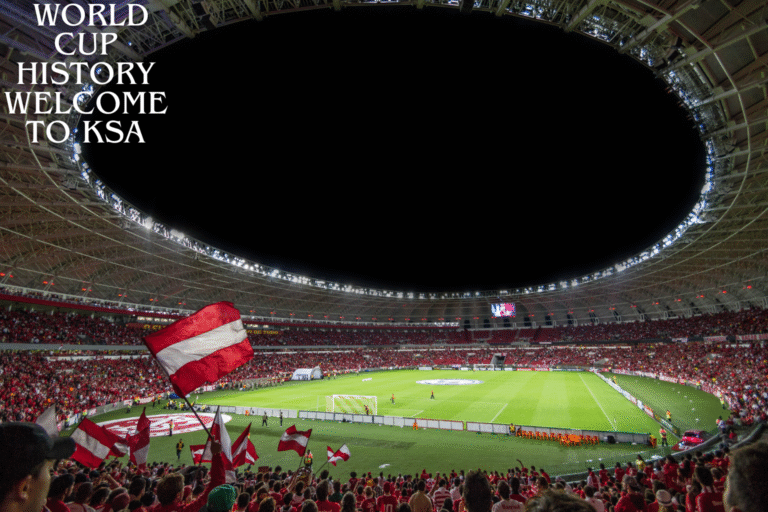
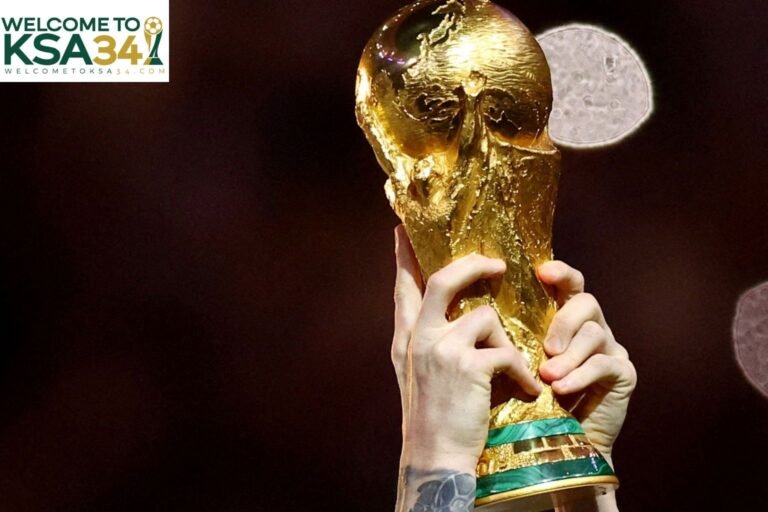
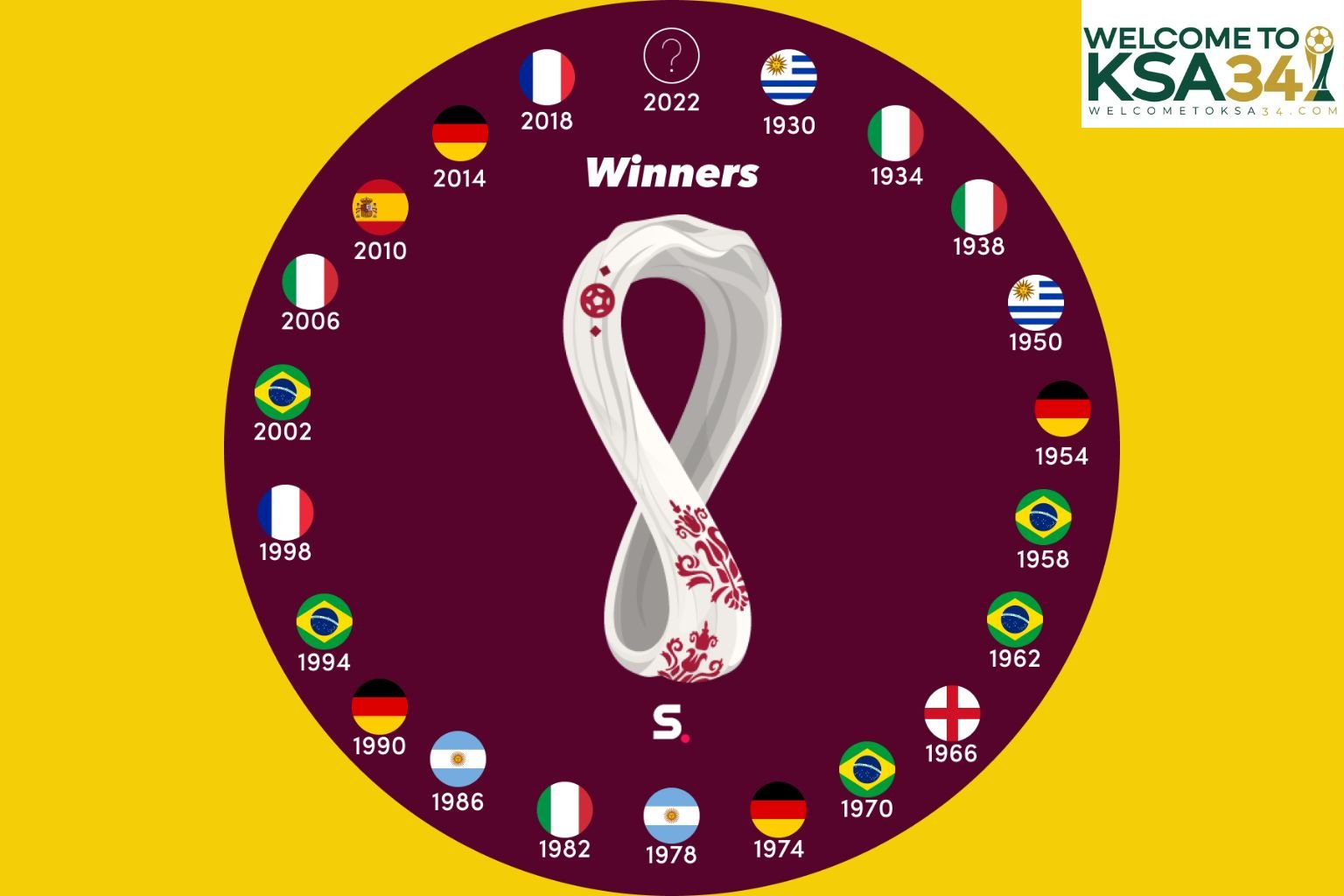
History of the World Cup is more than a football tournament—it is a global cultural event that reflects political change, technological progress, and shifting centres of influence in world sport. From its modest beginnings in the early 20th century to Saudi Arabia’s successful bid to host the 2034 edition, the World Cup’s history mirrors the evolution of modern football itself.
The Birth of the FIFA World Cup (1930–1950)
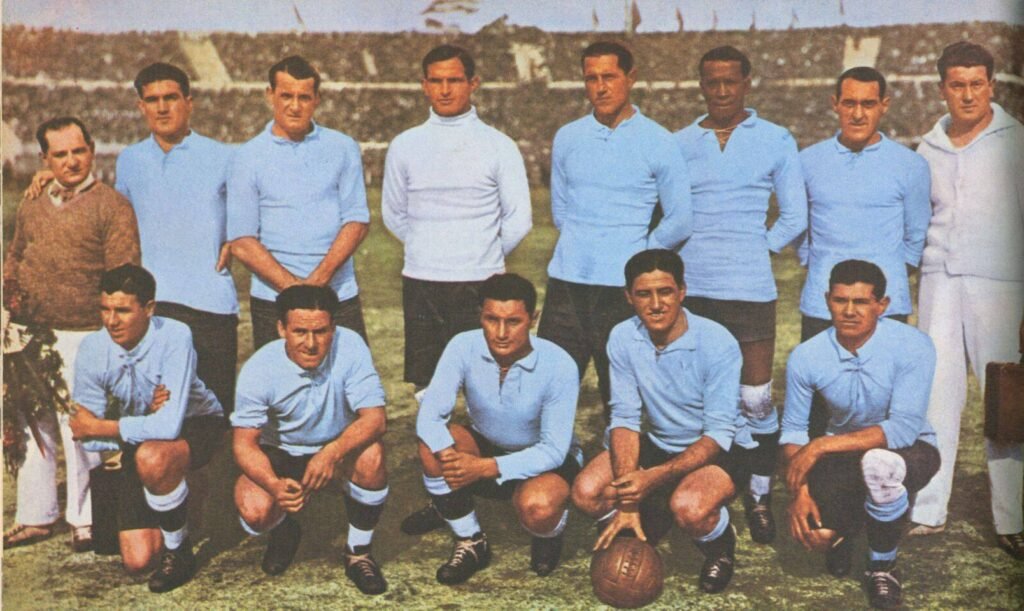
The idea of a global football tournament emerged as the sport gained popularity beyond Europe. In 1930, the first FIFA World Cup was held in Uruguay, chosen to celebrate the country’s centenary of independence and its Olympic football success.
Only 13 teams participated, most from the Americas, due to the cost and difficulty of long-distance travel. Uruguay defeated Argentina in the final, becoming the first World Cup champions. Despite its small scale, the tournament established a new global sporting tradition.
World War II interrupted the competition in 1942 and 1946, highlighting how global events could shape sport. When the World Cup returned in 1950 in Brazil, football re-emerged as a symbol of unity and recovery.
Expansion and Globalisation (1954–1990)
From the mid-20th century, the World Cup expanded rapidly:
- Television transformed matches into global spectacles
- The number of teams increased, allowing participation from Asia, Africa, and the Middle East
- New footballing powers emerged beyond Europe and South America
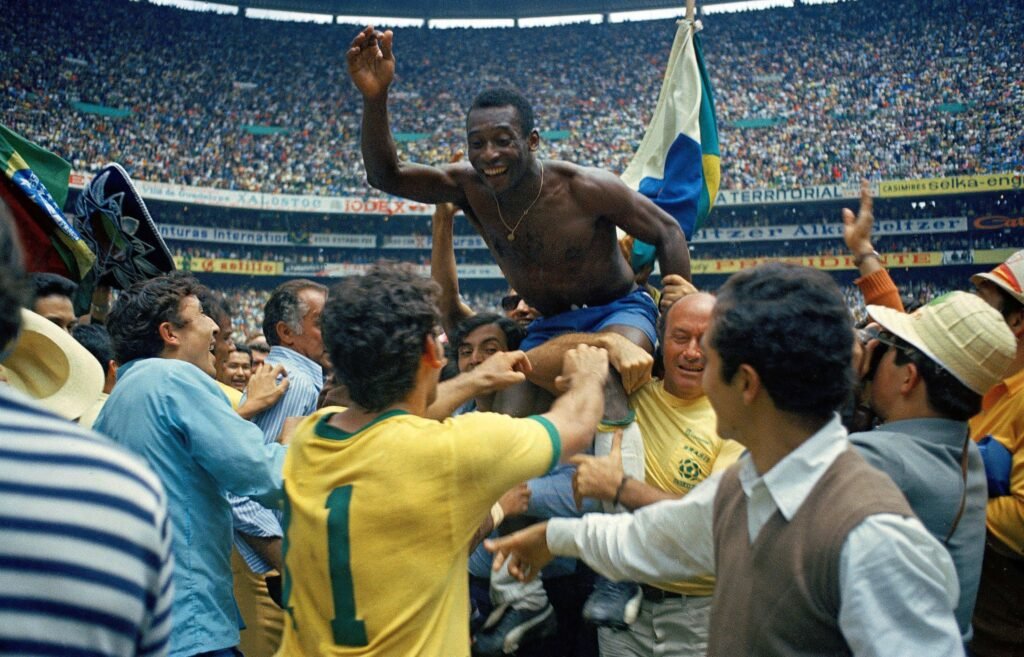
Legendary teams such as Brazil, Germany, and Italy built dynasties, while iconic players like Pelé elevated the tournament’s global appeal. Hosting the World Cup became a mark of international prestige, signaling economic capability and organisational strength.
A Truly Global Tournament (1994–2018)
By the late 20th and early 21st centuries, the World Cup had become the world’s most-watched sporting event. Major milestones included:
- 1994 (USA): Demonstrated football’s commercial power in new markets
- 2002 (Japan & South Korea): First co-hosted World Cup and first in Asia
- 2010 (South Africa): First African host, symbolising continental inclusion
The tournament expanded to 32 teams, with plans later announced to grow to 48 teams, further increasing global representation.
Saudi Arabia and Football: A Growing Relationship
Football has deep roots in Saudi Arabia. The country:
- Qualified for multiple World Cups since 1994
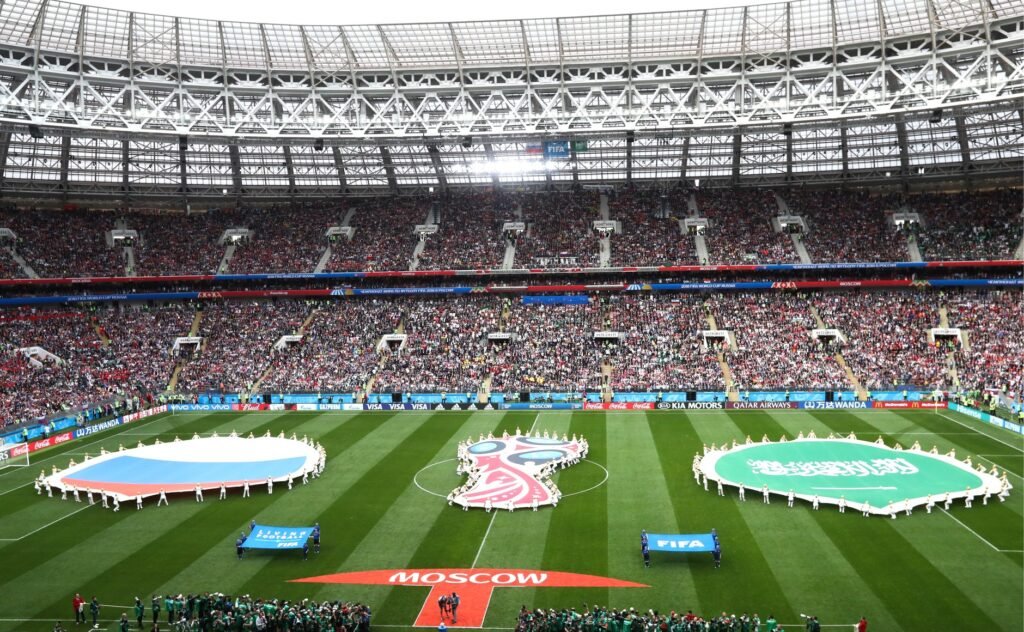
- Produced memorable moments, including historic wins against major football nations
- Invested heavily in domestic leagues, youth academies, and women’s football
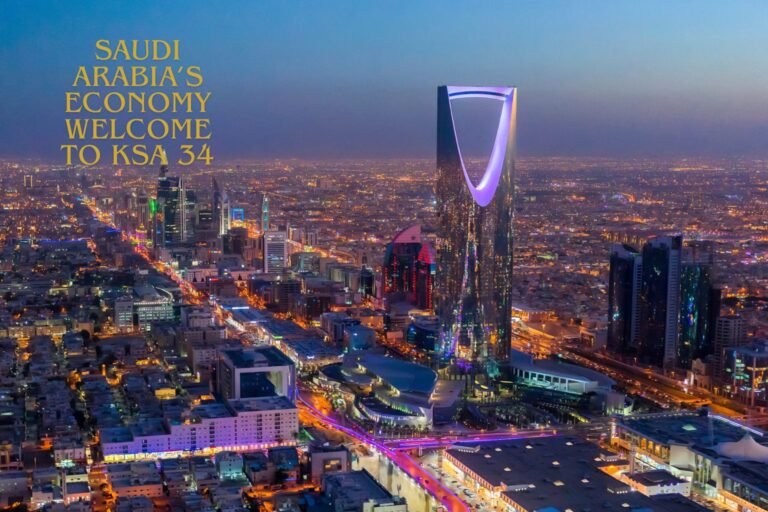
In the 21st century, football became a key pillar of Saudi Arabia’s broader social and economic transformation under Vision 2030, which aims to diversify the economy and position the country as a global sports and tourism hub.
Saudi Arabia’s First World Cup Hosting Bid
Saudi Arabia’s bid to host the 2034 FIFA World Cup marked a historic first—not just for the country, but for the region. Unlike previous tournaments in the Middle East that involved shared or limited hosting, this bid proposed a fully integrated, single-nation World Cup.
Key features of the bid included:
- Purpose-built and technologically advanced stadiums
- Compact travel distances between host cities
- Integration with smart-city projects and sustainable infrastructure
- A long-term legacy plan focused on youth participation and grassroots football
In December 2024, FIFA officially confirmed Saudi Arabia as the host nation for the 2034 World Cup, making it the first time the tournament would be staged in the Kingdom.
Why the 2034 World Cup Matters
Saudi Arabia’s successful bid represents a broader shift in global football:
- Recognition of the Middle East as a major sporting region
- Expansion of the World Cup into new cultural and geographic spaces
- Use of sport as a tool for diplomacy, tourism, and economic development
For Saudi Arabia, hosting the World Cup is not just about football—it is about presenting a new national image to billions of viewers worldwide.
Conclusion
From a 13-team tournament in 1930 to a global mega-event hosted by Saudi Arabia in 2034, the FIFA World Cup has continually evolved alongside the world itself. Saudi Arabia’s first hosting bid reflects both the tournament’s expanding global reach and the Kingdom’s ambition to play a central role in the future of international sport.
As the countdown to 2034 continues, the World Cup once again stands at a historical crossroads—linking its rich past with a new chapter in the Middle East.