Saudi 2034 World Cup: How the Kingdom Is Preparing to Welcome the World Cup
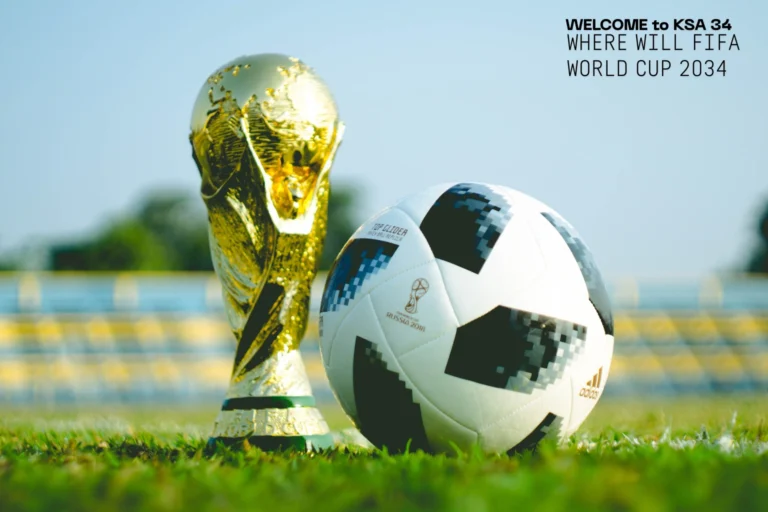
Saudi Arabia is preparing to Welcome the World Cup as it hosts the 2034 FIFA World Cup, an event poised to become one of the most transformative milestones in the nation’s modern history. From boosting tourism and driving economic growth to expanding sports infrastructure and fostering cultural development, the Kingdom is leveraging the global spotlight to fast-track its ambitious Vision 2030 objectives.
In this in-depth guide, we explore how Saudi Arabia is preparing for the 2034 World Cup, combining insights from rising tourism numbers, major government initiatives, sports infrastructure plans, and a growing international presence. This article blends all information from recent announcements, ministerial statements, and global reports—presented in a friendly, easy-to-read blog format.
A New Era Begins: The Road to Saudi 2034
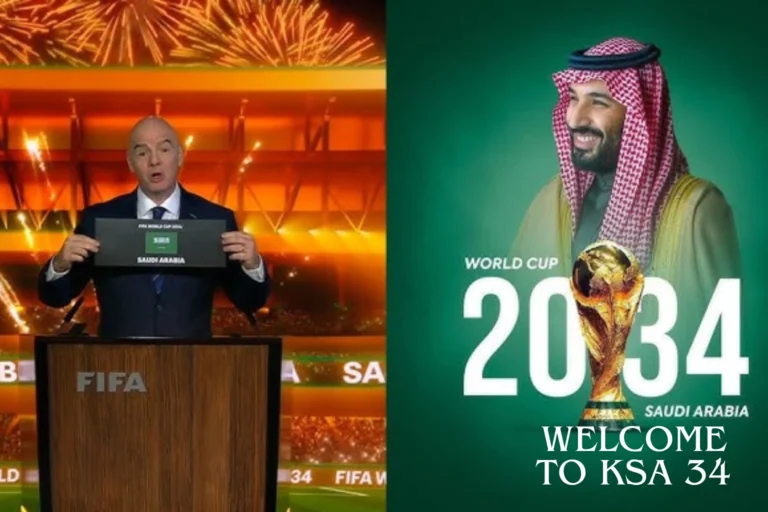
Saudi Arabia secured the hosting rights for the 2034 FIFA World Cup, immediately triggering global attention. As the world looks toward the Middle East’s next major sporting milestone, the Kingdom has already begun implementing key preparations designed to elevate both visitor experiences and local opportunities.
Government ministries, private-sector investors, and tourism authorities are now coordinating like never before. The overall message is clear: Saudi Arabia intends to host a safe, modern, and well-organized tournament that welcomes the world while showcasing its cultural heritage.
Tourism Licenses Surge 390% After World Cup Announcement
One of the most noticeable impacts of the 2034 World Cup announcement is the extraordinary growth in Saudi Arabia’s tourism sector.
According to Vice Minister of Tourism Princess Haifa bint Mohammed Al Saud, tourism licenses in the Kingdom surged by 390%. This dramatic rise reflects:
- Growing investor confidence
- Increased global attention
- Anticipation of millions of incoming visitors
- Strengthening partnerships with private sector operators
This surge is not accidental—it aligns directly with Saudi Arabia’s long-term goal of increasing international tourists to 150 million annually by 2030. The World Cup accelerates this target, attracting both global investors and tourism brands seeking early involvement in the Kingdom’s hospitality and entertainment expansion.
Economic Impact: Billions in Growth and Job Creation
Economic analysts estimate that hosting the 2034 World Cup could contribute between:
USD 9 billion and USD 14 billion to Saudi Arabia’s GDP
In addition, projections suggest the event could create:
Up to 1.5 million jobs across multiple sectors
Job growth will come from:
- Hospitality
- Tourism services
- Stadium operations
- Transportation and logistics
- Retail and entertainment
- Construction and infrastructure
Saudi Arabia is also preparing to develop 230,000 new hotel rooms across five major cities—further strengthening capacity for millions of global visitors.
This scale of development reflects the Kingdom’s broader economic diversification agenda, reducing reliance on oil and investing heavily in sustainable tourism, sports, and global event hosting.
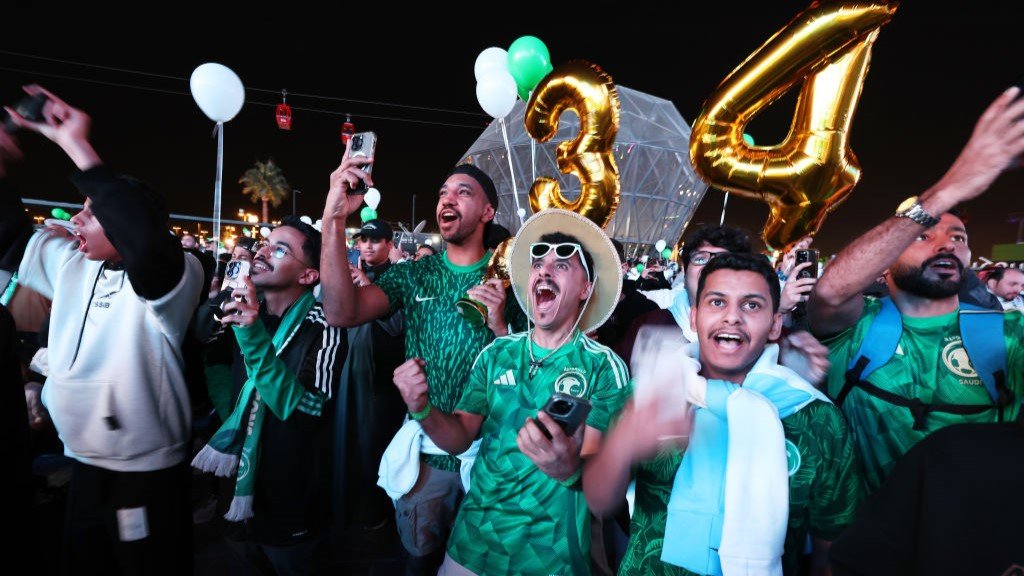
Sports Investments: Building the Foundation for the “Most Exciting World Cup Ever”
The Kingdom’s Minister of Sport, Prince Abdulaziz bin Turki al-Faisal, has described the upcoming tournament as:
👉 “The most exciting World Cup ever hosted.”
His remarks, delivered at the TOURISE tourism conference in Riyadh, highlight a coordinated national strategy where:
- Sports infrastructure
- Tourism development
- Cultural promotion
- Job creation
all work together toward a shared vision.
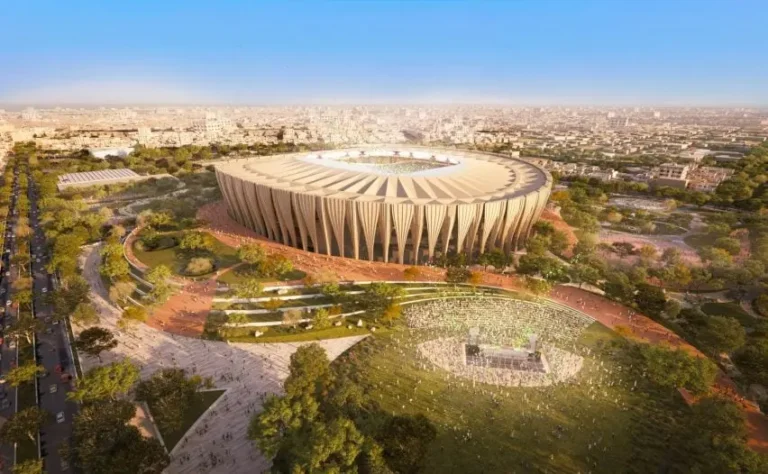
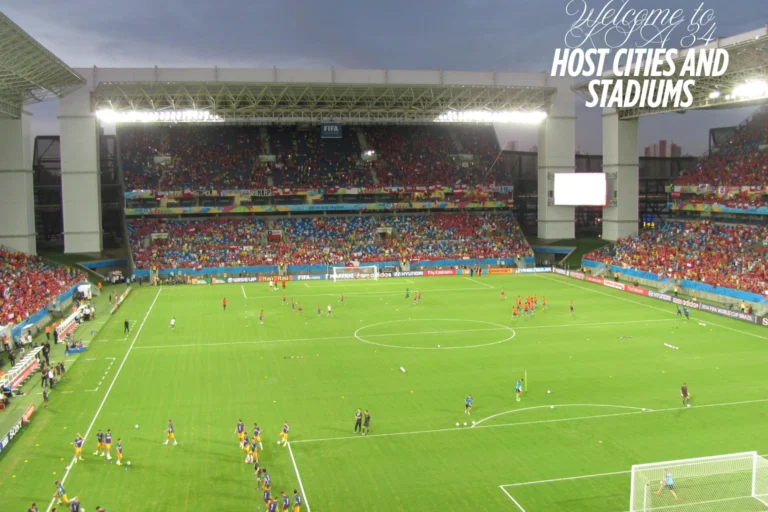
Saudi Arabia is investing in stadium upgrades, new multi-sport complexes, and enhanced transportation systems. These developments aim to provide a world-class experience for both international visitors and local communities.
Studying the 2026 World Cup to Prepare for 2034
Saudi Arabia will send a delegation to the 2026 FIFA World Cup hosted by the United States, Canada, and Mexico. This is the first edition with 48 teams, making it an ideal learning opportunity.
Saudi officials aim to study:
- Stadium operations
- Crowd management strategies
- Security and compliance protocols
- Multi-city logistics
- Fan engagement platforms
- Sustainability practices
The goal is to apply lessons from 2026 directly to Saudi Arabia’s planning for 2034, ensuring a smoother process and minimizing operational risks.
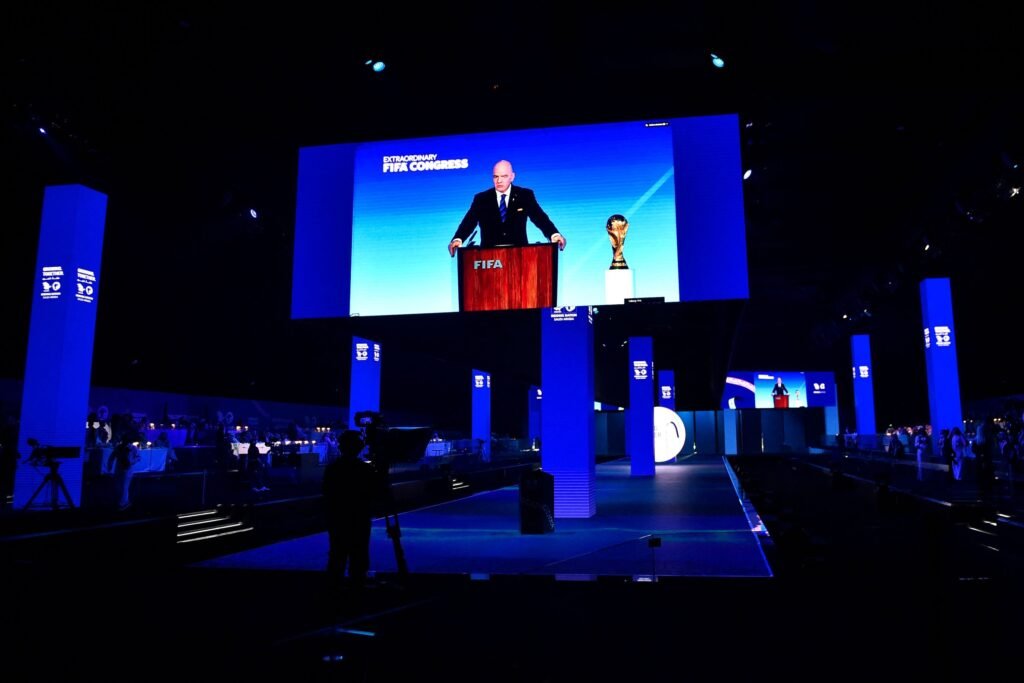
A Tournament Across Five Cities: The Heart of Saudi 2034
Saudi Arabia plans to host the World Cup across five major cities, strategically chosen to distribute fans, economic benefits, and travel flow. While the selected cities will be officially announced later, early plans indicate that a mix of major hubs and cultural destinations will be included.
The tournament is expected to draw:
Up to 5 million spectators,
one of the highest attendance projections in World Cup history.
Hosting across multiple cities will allow:
- Reduced congestion
- Better accommodation distribution
- Regional tourism growth
- Smooth transportation logistics
Cities will feature upgraded airports, new train connections, and expanded hospitality districts.
Promoting Cultural Tourism Alongside Football
One of Saudi Arabia’s key strategies is to blend sports entertainment with cultural exploration, ensuring that visitors experience more than just football matches.
The Ministry of Sport specifically highlighted tourism destinations such as:
• AlUla
A world-famous heritage site featuring ancient tombs, sandstone formations, and cultural festivals.
• The Red Sea
A destination known for luxury resorts, eco-tourism, coral reefs, and island getaways.
• Asir
A mountainous region offering greenery, cooler climates, and rich cultural traditions.
During the 2034 World Cup, visitors will be encouraged to explore these regions through:
- Cultural tours
- Heritage festivals
- Nature excursions
- Art installations
- Culinary experiences
The approach connects tourism and sports under a unified national identity, supporting long-term tourism sustainability.
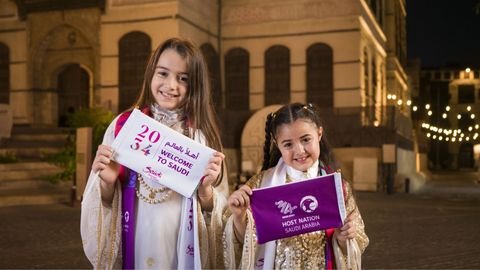
The “Welcome to Saudi 34” Passport Stamp: A Simple but Powerful Gesture
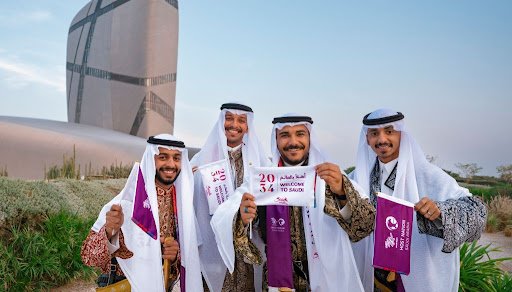
To celebrate the World Cup and enhance visitor experience, Saudi Arabia introduced a special “Welcome to Saudi 34” passport stamp.
Created by:
- The Ministry of Interior
- The General Directorate of Passports
- The Ministry of Sport
this commemorative stamp will be available at all international entry points, including:
- Airports
- Seaports
- Land borders
The stamp serves as:
- A symbolic welcome to visitors
- A collectible keepsake for fans
- A promotional tool highlighting Saudi Arabia’s global event hosting
Small details like this help shape visitor perception and create memorable experiences from the moment travelers land in the Kingdom.
Infrastructure & Hospitality Expansion: Preparing for Millions of Guests
Saudi Arabia is scaling up infrastructure significantly to meet World Cup expectations.
Hospitality Development
- 230,000 hotel rooms planned
- New luxury resorts
- Mid-range hotels for global fans
- Improved serviced apartments and rental options
Transportation Upgrades
- Airport expansions
- New metro lines
- High-speed rail enhancements
- Shuttle bus routes for match days
City Infrastructure
- Fan zones
- Entertainment districts
- Public parks
- Pedestrian-friendly zones
These expansions align closely with Vision 2030’s goal of modernizing urban areas and improving liveability for residents long after the World Cup ends.
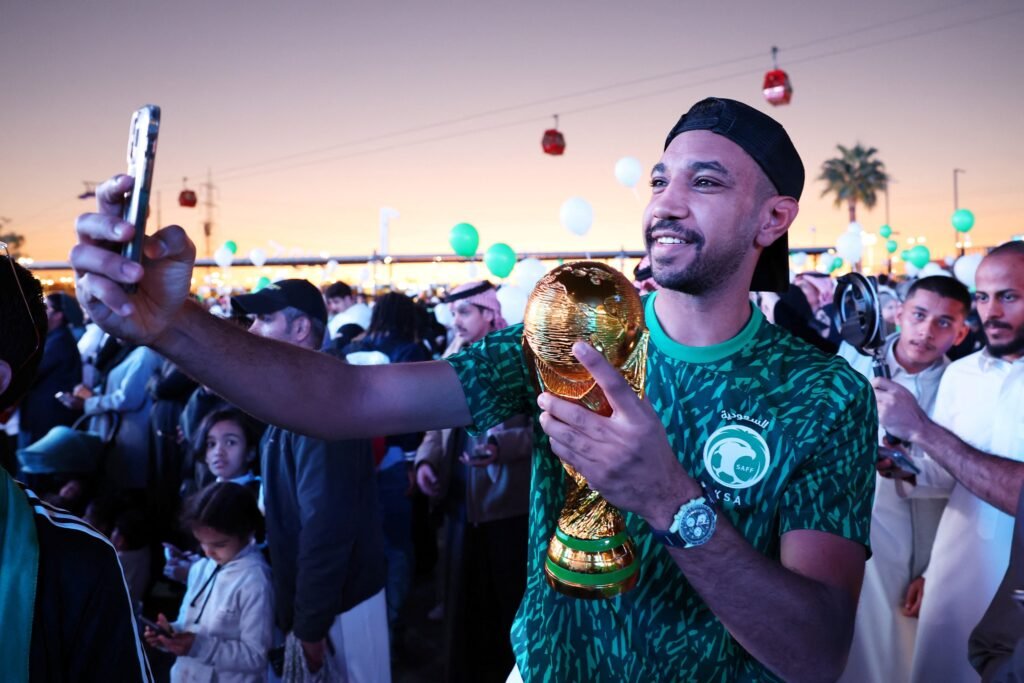
Government Coordination: A Whole-Nation Approach
Saudi Arabia’s preparations involve multiple government entities working together:
- Ministry of Sport
- Ministry of Tourism
- Ministry of Interior
- Ministry of Municipal Affairs
- Private sector investors
- Cultural and entertainment authorities
This unified approach ensures cohesive planning across:
- Security
- Hospitality
- Cultural programming
- Visitor experience
- Transportation
- Economic investment
The World Cup is not seen as a short-term event but a long-term national development catalyst.
Why Saudi Arabia Is Positioning 2034 as a Transformative Moment
Hosting the World Cup is more than a sporting milestone—it is a strategic national investment designed to support:
- Economic diversification
- Tourism expansion
- Global branding
- Job creation
- Infrastructure modernization
- Cultural exchange
Saudi Arabia aims to deliver a tournament that is modern, well-organized, culturally rich, and globally inclusive.
Final Thoughts: A Future-Ready World Cup Experience
Saudi Arabia’s preparations for the 2034 FIFA World Cup reflect a nation ready to welcome the world. Through increased tourism activity, economic investments, global partnerships, and cultural initiatives, the Kingdom is building the foundation for a tournament that aims to leave a lasting impact.
From the surge in tourism licenses to the introduction of the “Welcome to Saudi 34” passport stamp, every step signals a country planning proactively—not only for the World Cup but for a long-term future as a global tourism and sports destination.