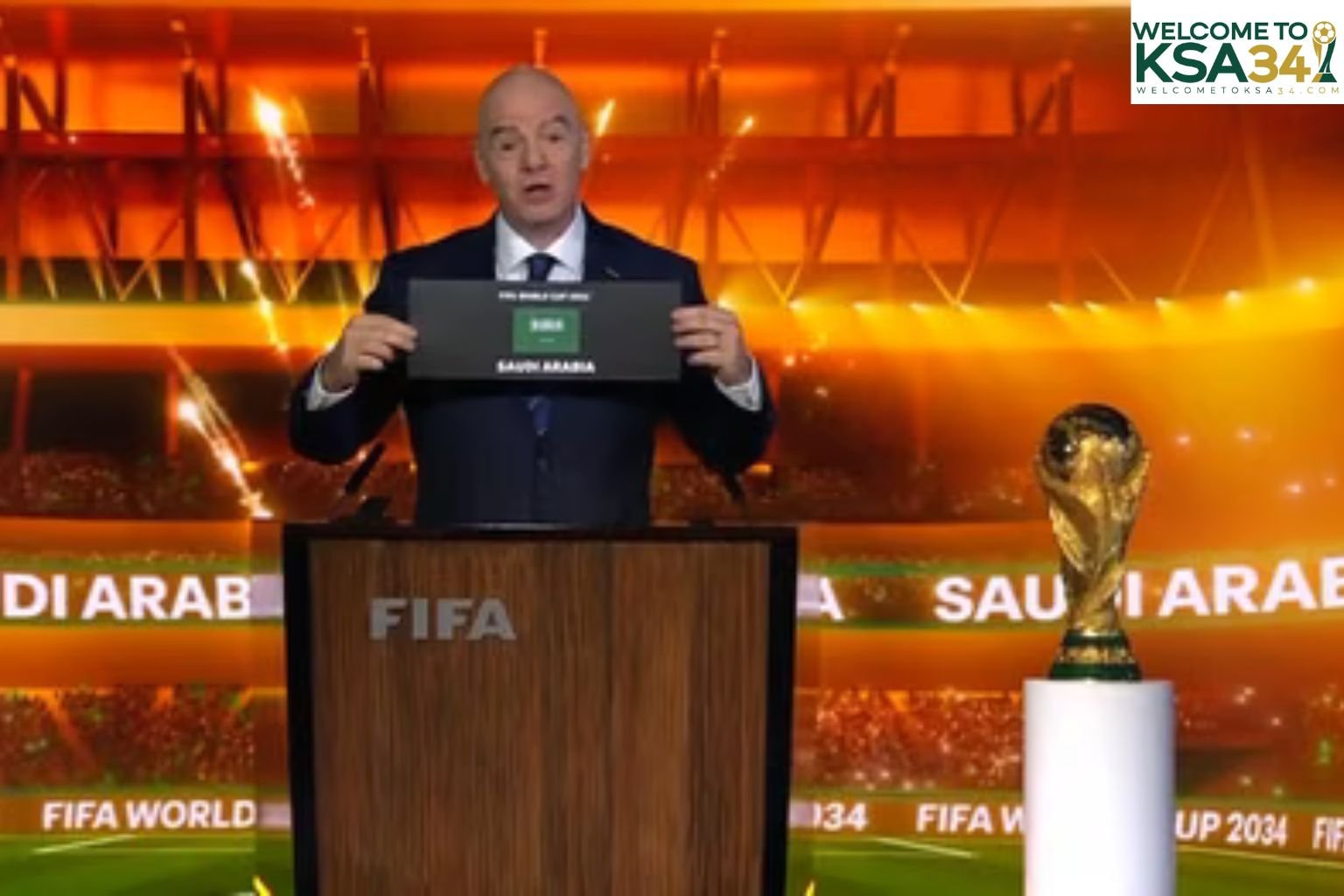
Saudi Arabia’s 2034 World Cup January 2035 Set to Kick Off
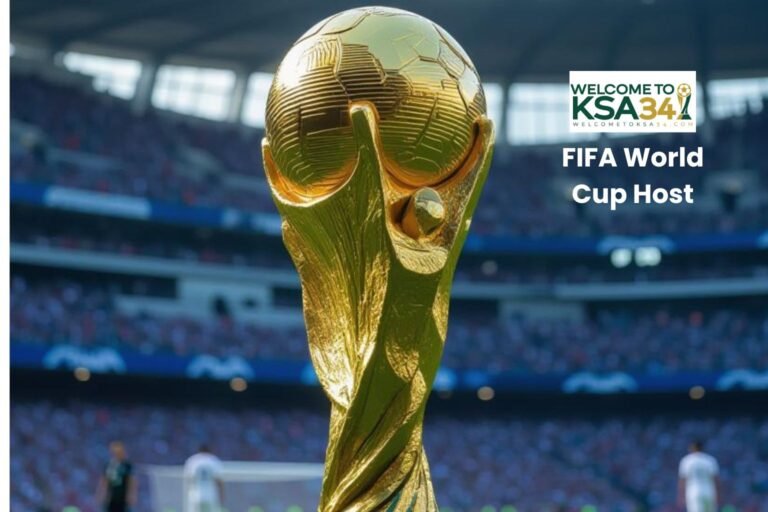
World Cup January 2035 is set to make history as FIFA and host nation Saudi Arabia plan to move the 2034 Men’s tournament from its usual November-December schedule. The bold rescheduling aims to harmonize the tournament with local climate realities and the holy month of Ramadan—a step that could mark the first World Cup ever to span two calendar years.
Why the big change?
Here are the key factors driving the adjustment:
- Ramadan timing conflict – In late 2034, the month of Ramadan would overlap with the tournament’s original dates, meaning many Muslim players and staff would face daytime fasting while competing at the highest level.
- Climate and comfort – With summer heat reaching intense levels in the Gulf, Saudi Arabia is following in the footsteps of Qatar’s winter-tournament model in 2022, to ensure better playing and spectator conditions.
- Scheduling flexibility – FIFA’s leadership has acknowledged that traditional hosting windows are being reshaped, given global calendars, religious observances and climate realities.
So, rather than kicking off in November or December 2034, the tournament will now begin in January 2035—but will still carry the “2034 World Cup” label.
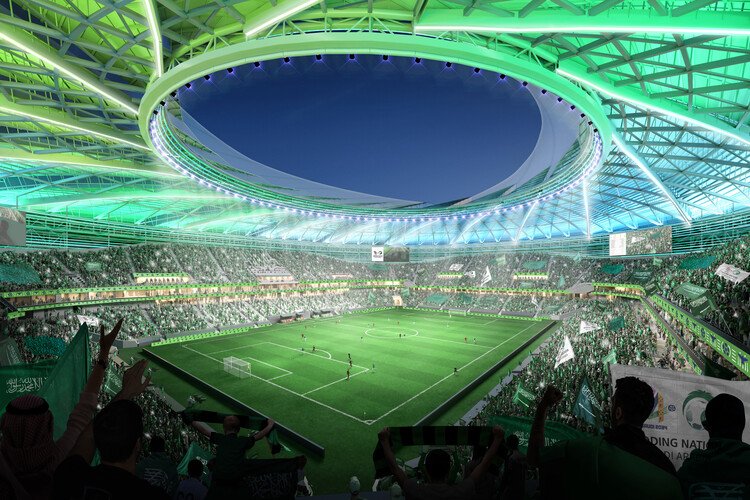
What this means for players, fans and the host
- For players: Muslim athletes won’t have to worry about daytime fasting affecting match performance or recovery routines during the tournament.
- For fans: Cooler weather and fewer logistical clashes with local religious practices should provide a smoother event experience.
- For the host nation: Saudi Arabia gets to showcase major sporting infrastructure under more favorable conditions—while aligning with cultural and religious considerations.
How this compares with the 2022 model
The precedent was set by the 2022 FIFA World Cup in Qatar, which also switched away from a summer slot to avoid extreme heat. Saudi Arabia’s decision takes that one step further by factoring in both environmental conditions and the religious calendar.
Key Takeaways
- The tournament moves to January 2035, despite being titled the 2034 edition.
- The adjustment is primarily to respect Ramadan fasting and avoid overlapping with the holy month.
- It reflects a broader shift toward flexible scheduling of major global tournaments.
- Saudi Arabia’s hosting plans—already expansive—now account for this altered timeline and the implications it brings.
What to watch for next
- Official confirmation of the exact tournament dates and match schedule.
- How qualification cycles and national leagues will adjust to this new timeframe.
- Impacts on broadcasting rights, fan travel, and stadium operations across Saudi venues.
- The broader implications for how FIFA schedules future tournaments in regions with significant religious or climate constraints.
FAQ’s
Q: Why is it called the “2034 World Cup” if it’s held in January 2035?
A: Because the tournament was originally slated for late 2034, and the branding remains “2034” even though the kick-off moves to early 2035.
Q: What is Ramadan and why does it matter for sports?
A: Ramadan is a holy month for Muslims when many fast from sunrise to sunset. For high-level athletes, fasted daylight hours could make playing difficult—so scheduling around it helps.
Q: Has a World Cup ever been held in January before?
A: No — this move would be a first for a FIFA men’s World Cup edition.
Q: Will the weather be cooler in January in Saudi Arabia?
A: Yes — winter months offer milder conditions compared to scorching Gulf summers, improving comfort for players and fans alike.
Q: Does this change mean leagues and qualifiers will also shift?
A: Likely yes — national teams, clubs and FIFA will need to coordinate to accommodate the new timeline.