From Desert Dreams to Global Stage: Saudi Arabia’s Ambitious Road to the 2034 World Cup
The Road to the 2034 World Cup highlights Saudi Arabia’s extraordinary strides as the Kingdom showcases unprecedented ambition, innovation, and vision for historic World Cup preparations. Far from being just an event, the 2034 World Cup is a catalyst for massive, transformative infrastructure projects that will revolutionize the Kingdom’s sports, transportation, and tourism sectors, placing Saudi Arabia on the global stage with unmatched modernity and sustainability.
Visionary Infrastructure and Stadiums
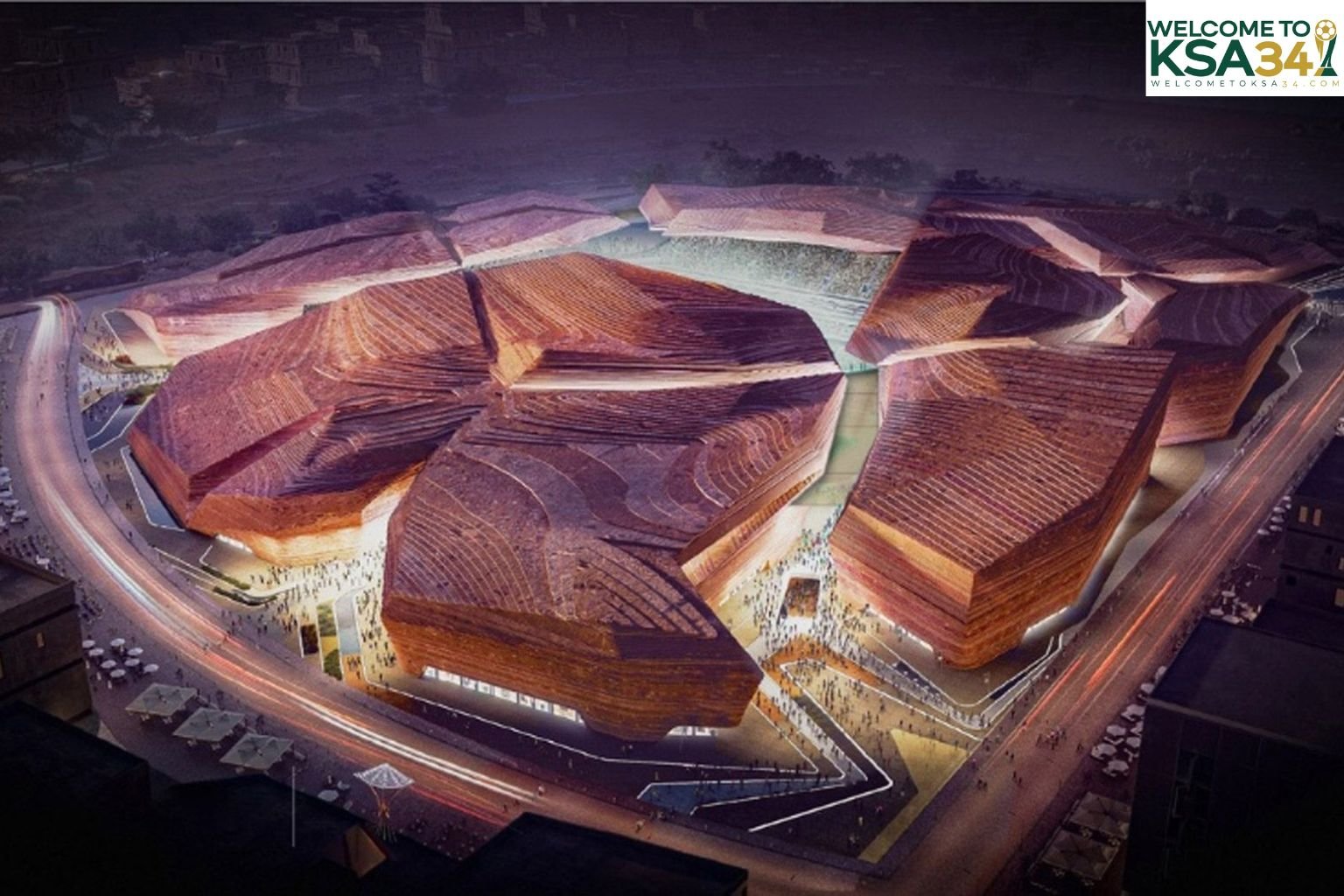
At the heart of Saudi Arabia’s preparations is an investment of over $20 billion dedicated solely to the construction and renovation of 15 state-of-the-art stadiums spread across five key cities: Riyadh, Jeddah, Al Khobar, Abha, and the futuristic Neom city. This will be the largest simultaneous stadium construction project in history, blending cutting-edge technology, supreme architectural design, and environmental responsibility. The stadiums are thoughtfully designed to adapt to the Kingdom’s climate, featuring shaded areas and natural ventilation to maximize fan comfort.
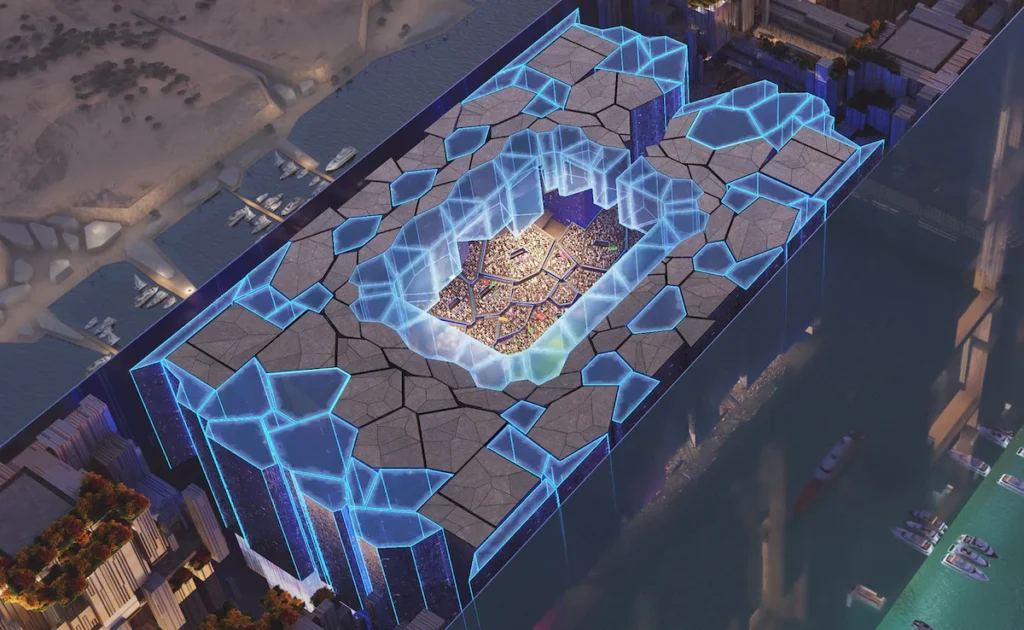
Notable highlights include the King Salman International Stadium, positioned as a beacon of Saudi Arabia’s Vision 2030, powered entirely by renewable energy and equipped with innovation such as convertible pitches and retractable roofs. Another marvel is the stadium integrated into The Line urban project, built more than 350 meters above ground and characterized by modern engineering feats and sustainability.
These venues are not just sports arenas; they encompass multi-purpose facilities including aquatic centers, athletics stadiums, commercial spaces, and training facilities, transforming them into vibrant hubs for sports, culture, and economic activity.
Expansive Urban and Transport Infrastructure
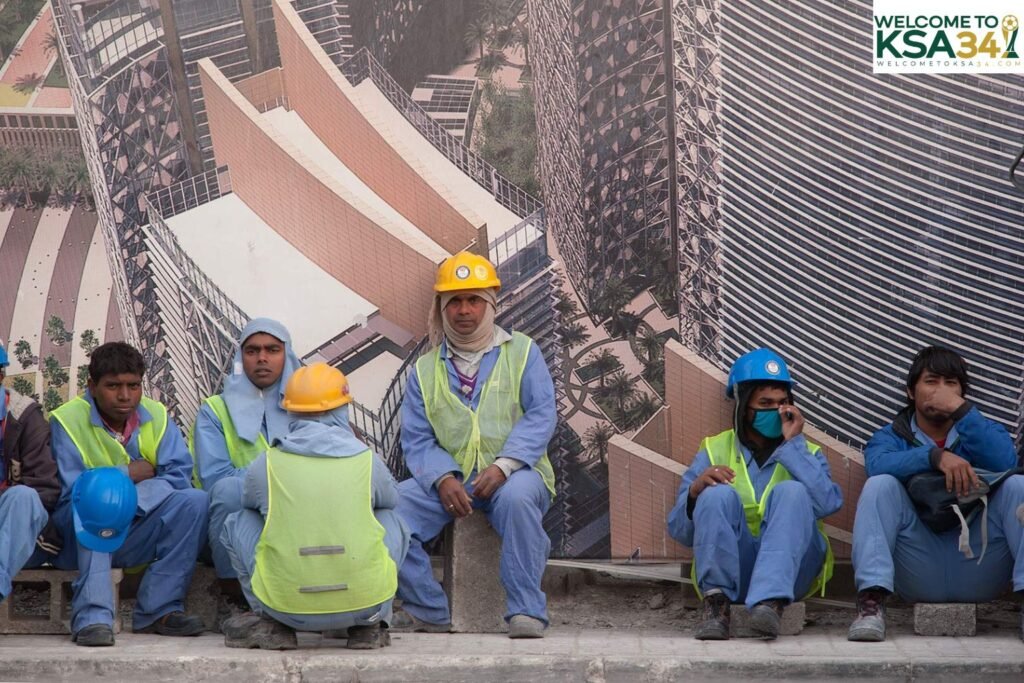
Beyond stadiums, Saudi Arabia is spearheading massive urban infrastructure projects to ensure seamless mobility and an exceptional fan experience. The Riyadh Metro system, one of the world’s largest sustainable urban mobility projects, is a 176-kilometer network comprising six lines, designed to efficiently shuttle millions during the tournament and beyond. The metro features state-of-the-art stations like the Qasr al Hokm downtown station, offering convenience, modernity, and connectivity.
The comprehensive infrastructure plan includes 132 training facilities and 73 accommodation centers to cater to international delegations, players, and visitors, reflecting meticulous planning for logistics and hospitality.
Economic and Social Transformation
The World Cup preparations are integral to Saudi Arabia’s broader Vision 2030, a national agenda focused on economic diversification and sustainable development. Hosting the World Cup drives massive investments in construction, tourism, and services, generating jobs, stimulating local businesses, and fostering international partnerships.
The ambitious projects help transform Saudi Arabia into a global tourism destination by enhancing urban spaces, developing cultural sites such as the Diriyah Gate historical project, and introducing modern amenities. The infrastructural legacy ensures benefits long after the final whistle, with improved transportation networks, community sports facilities, and increased global recognition.
Commitment to Sustainability and Innovation
Saudi Arabia is setting new standards for sustainable sports infrastructure. The stadium designs incorporate solar energy systems that supply a significant portion of energy needs, lightweight and energy-efficient building materials, and advanced climate control powered by renewable sources like hydrogen fuel cells. Artificial intelligence-driven crowd management and autonomous vehicle integration promise an unparalleled fan experience.
This commitment extends to environmental stewardship, with water recycling systems, natural ventilation technologies, and designs that minimize energy consumption while preserving local cultural aesthetics.
A Role Model for Global Mega-Events
Saudi Arabia’s 2034 World Cup preparations exemplify how mega-sporting events can serve as engines for profound urban, economic, and social development. The Kingdom’s deliberate blending of tradition, technology, and sustainability promises not only a spectacular tournament but also a model for how host countries can leverage international sports events to drive lasting positive change.
In summary, Saudi Arabia’s bold investment in advanced stadiums, cutting-edge transport systems, and sustainable infrastructure reflects a comprehensive vision to host an unforgettable FIFA World Cup 2034. Far from just building for the tournament, Saudi Arabia is crafting a legacy of innovation, economic opportunity, and international prestige that will resonate for decades to come, showcasing the Kingdom’s emergence as a dynamic global hub for sport and culture. The world should eagerly anticipate this historic event and the remarkable transformation it will usher in Saudi Arabia’s future.
This positive perspective highlights the Kingdom’s dedication to delivering a world-class experience while embracing sustainable and forward-thinking development aligned with Saudi Arabia’s Vision 2030 ambitions.
