
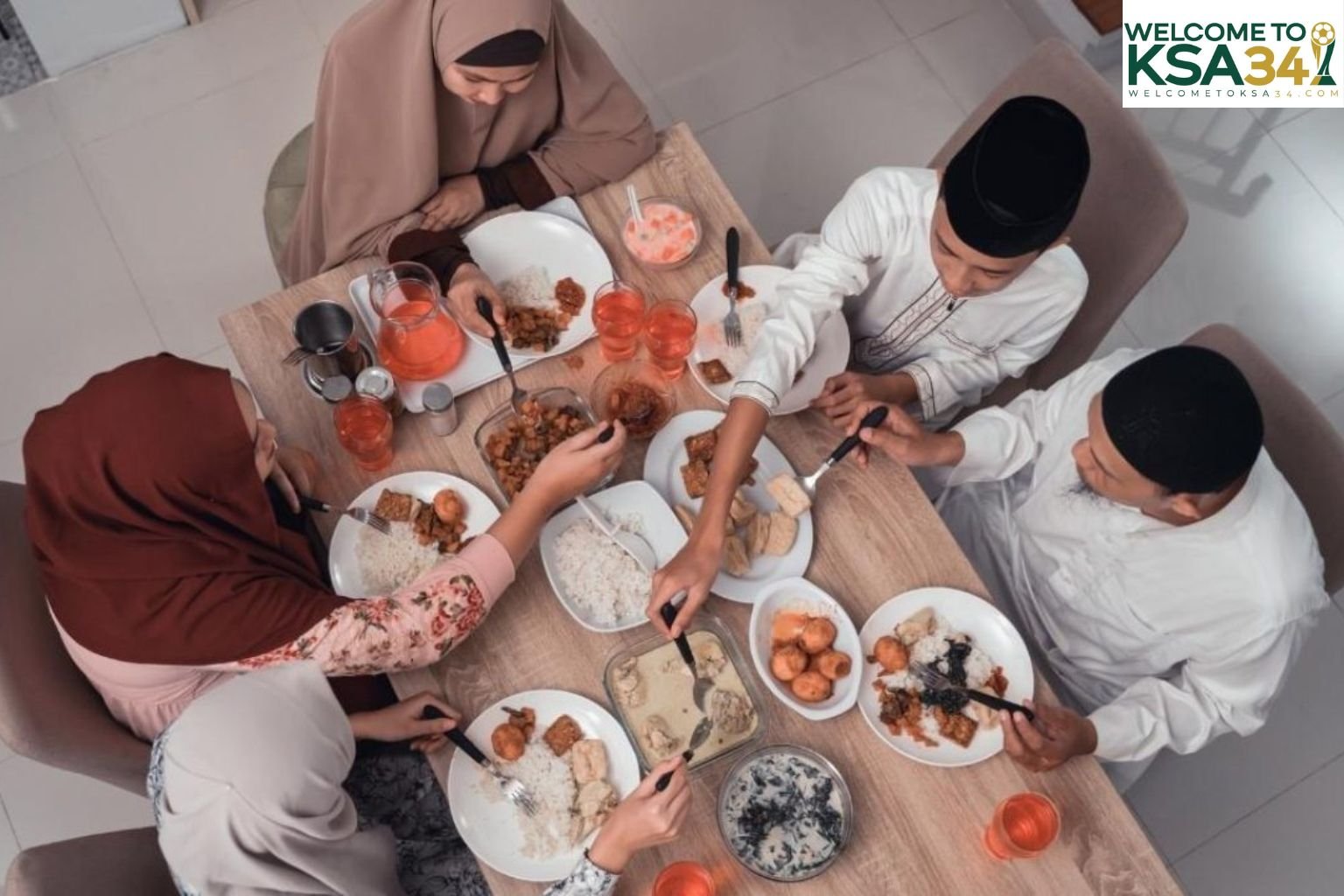
Best Sehri Foods to Stay Full All Day in Ramadan
Ramadan is a month of spiritual reflection, self-discipline, and fasting. While the spiritual benefits are immense, fasting from dawn to sunset can be physically challenging, especially during long summer days in Saudi Arabia. The key to maintaining your energy and focus throughout the day is eating the right foods during Sehri (pre-dawn meal).
Sehri is not just a meal; it’s your body’s fuel for the day. Choosing the right foods can help you stay full, hydrated, and energetic from Fajr to Maghrib, while avoiding fatigue, headaches, or digestive discomfort. In this guide, we’ll explore the best Sehri foods, expert tips, and meal ideas to help you make the most of your fasting experience.
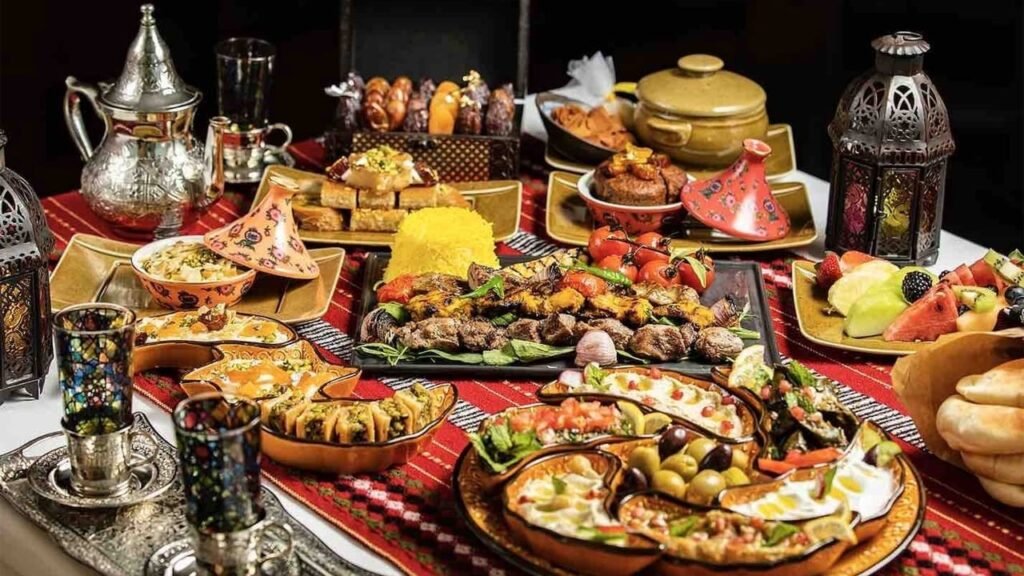
Why Sehri is Crucial for Fasting
Sehri is often overlooked or rushed, but it plays a vital role in sustaining your fast. Eating a balanced pre-dawn meal:
- Provides long-lasting energy through complex carbohydrates and proteins
- Keeps you hydrated with water-rich foods
- Prevents overeating at Iftar by stabilizing blood sugar
- Supports digestion and metabolism
- Maintains focus, productivity, and mental clarity throughout the day
Skipping Sehri or eating only light, sugary foods can make fasting harder, leading to dehydration, hunger pangs, and fatigue. The goal is to combine complex carbs, proteins, healthy fats, and hydration to stay full and energized.
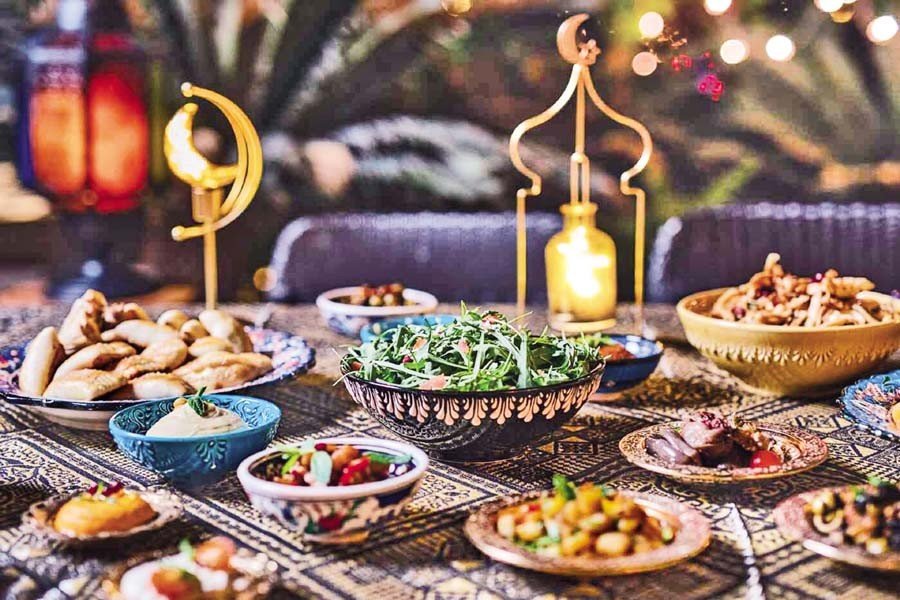
Top Sehri Foods to Stay Full All Day
1. Oats: The Ultimate Slow-Release Energy Source
Oats are one of the best foods for Sehri because they release energy slowly, keeping you full for hours. They are high in fiber, iron, potassium, and magnesium, which help maintain energy levels and prevent dehydration.
Tips for including oats in Sehri:
- Overnight oats with milk or yogurt, topped with nuts and fruits
- Warm oatmeal with cinnamon, dates, and a drizzle of honey
- Combine with peanut butter and sliced bananas for extra protein and healthy fats
Why they work: Oats absorb water, keeping you hydrated, and their soluble fiber slows digestion, so you feel full for longer.
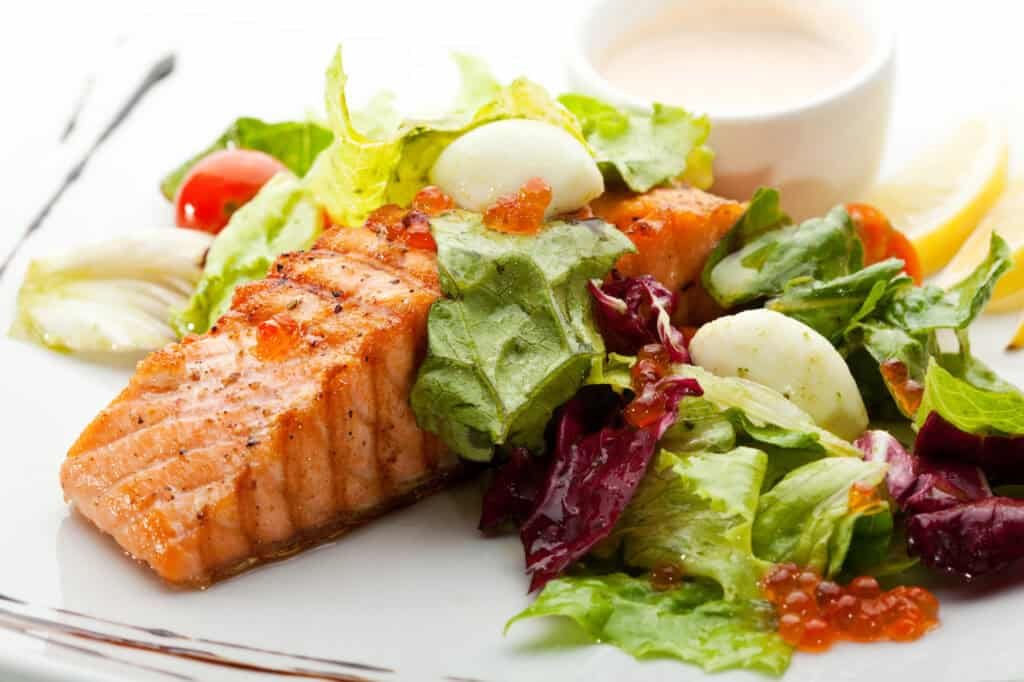
2. Eggs: Protein Powerhouse
Eggs are versatile, protein-rich, and easy to digest. Protein is essential during Sehri as it keeps you satiated and prevents energy crashes during the day.
Healthy ways to include eggs in Sehri:
- Boiled eggs with a sprinkle of black pepper
- Vegetable omelettes with spinach, tomatoes, and bell peppers
- Egg wraps with whole grain bread or parathas
Tip: Pair eggs with complex carbs like whole-grain bread to make a balanced meal.
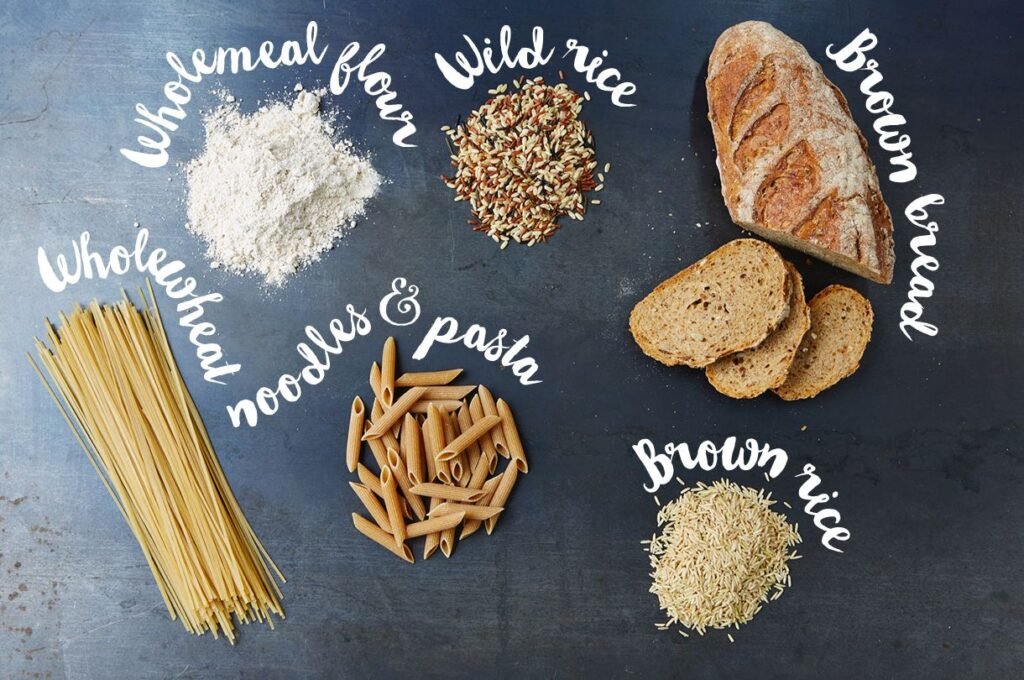
3. Whole-Grain Carbohydrates
Simple carbs like white bread or sugary cereals can cause a quick spike and crash in energy, leaving you hungry before Iftar. Whole grains provide slow-releasing energy, keeping you full longer.
Best whole-grain options for Sehri:
- Whole grain bread, chapati, or bagels
- Brown rice or quinoa
- Barley or bulgur wheat
- Whole-grain oats or muesli
Serving tip: Combine whole grains with protein-rich foods like eggs, yogurt, or legumes for a well-rounded meal.
4. Healthy Fats: Satiety and Sustained Energy
Healthy fats are essential for feeling full and maintaining energy during long fasting hours. They also help your body absorb fat-soluble vitamins.
Healthy fat sources for Sehri:
- Avocados
- Nut butters (almond, peanut, cashew)
- Nuts and seeds (walnuts, almonds, chia seeds, flaxseeds)
- Olive oil drizzled on salads or vegetables
Why they work: Healthy fats slow digestion and stabilize blood sugar, which keeps you feeling satisfied and energized.
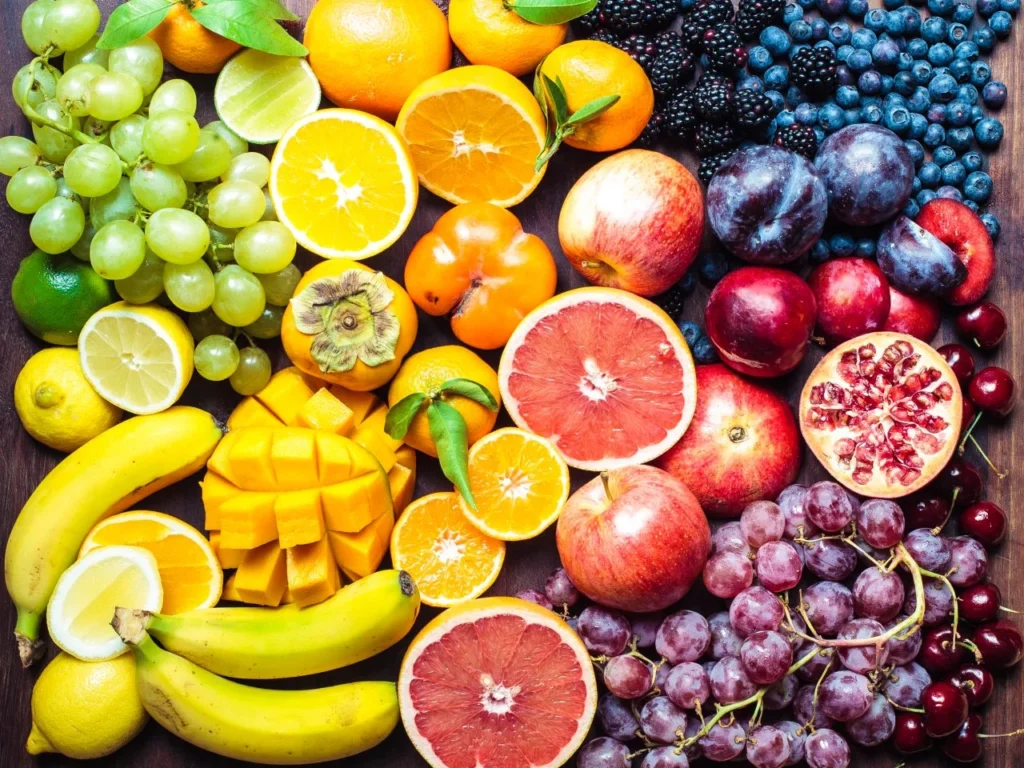
5. Fruits and Vegetables for Hydration
Fruits and vegetables with high water content are ideal for Sehri, especially during the hot months in Saudi Arabia. They hydrate, add fiber, and provide vitamins and minerals that support energy metabolism.
Best hydrating options:
- Watermelon, oranges, and pineapple
- Cucumbers, tomatoes, and lettuce
- Berries like strawberries and blueberries
Serving tip: Add them to overnight oats, smoothies, or vegetable salads for a refreshing, water-rich meal.
6. Dairy and Yogurt
Dairy products like milk, yogurt, and laban (salted yogurt drink) provide protein, calcium, and probiotics. They are light on the stomach, aid digestion, and help maintain hydration.
How to include dairy in Sehri:
- Greek yogurt with fruits and honey
- Laban with mint and cucumber
- Milk smoothies with oats and nuts
Bonus: Yogurt’s probiotics support gut health, which is important for digestion during fasting.
7. Legumes and Lentils
Legumes like beans, lentils, and chickpeas are excellent for a plant-based protein source. They are rich in fiber, iron, and complex carbs, which keep you full and energized.
Sehri ideas:
- Lentil soup with whole-grain bread
- Chickpea salad with cucumber, tomato, and olive oil
- Mixed bean stew with spices and vegetables
Why they work: The high fiber content slows digestion, preventing early hunger pangs.
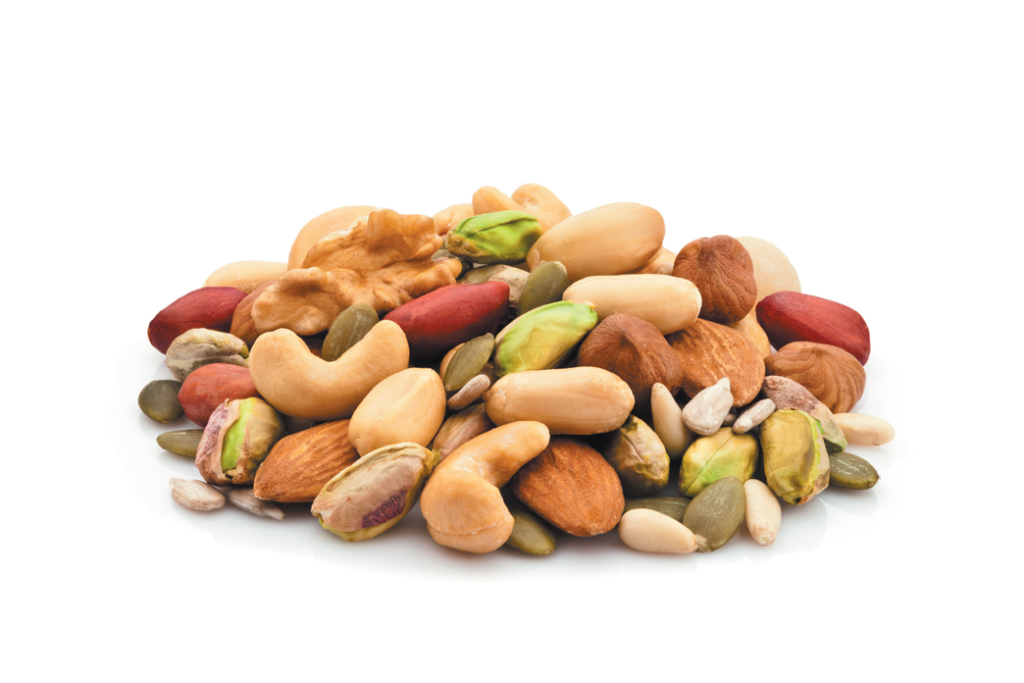
8. Nuts and Seeds
Nuts and seeds are small but mighty for Sehri. They provide healthy fats, protein, and minerals while keeping you full.
Ideas for Sehri:
- Sprinkle almonds or walnuts on yogurt or oats
- Make a small nut and seed trail mix with raisins and dates
- Add chia seeds or flaxseeds to overnight oats or smoothies
Tip: A handful is enough; avoid overconsumption as they are calorie-dense.
9. Dates and Natural Sweeteners
Dates are a traditional favorite in Ramadan. They are rich in fiber, potassium, and natural sugars, providing quick and sustained energy.
Ways to include dates:
- Pair with nuts for a small energy-boosting snack
- Chop and mix into oatmeal or yogurt
- Blend into smoothies for natural sweetness
Tip: Avoid excessive sugary snacks; natural sugars in fruits are better for energy.
10. Hydrating Drinks
Staying hydrated at Sehri is critical, especially in KSA’s warm climate. Proper hydration helps prevent headaches, fatigue, and dry mouth during fasting.
Best options:
- Water (aim for 2–3 cups during Sehri)
- Coconut water for electrolytes
- Milk or laban (salted yogurt drink)
- Herbal teas (without caffeine)
Tip: Sip water slowly rather than chugging it all at once for better absorption.
Sample Balanced Sehri Meals
Here are some practical Sehri meal ideas combining the foods listed above:
- Overnight Oats Bowl
- Rolled oats + milk/yogurt + chia seeds + banana + almonds
- Vegetable Omelette Wrap
- Eggs + spinach + tomato + whole-grain chapati + avocado
- Lentil Soup with Whole-Grain Bread
- Red lentils + carrots + celery + olive oil + warm whole-grain bread
- Greek Yogurt Parfait
- Yogurt + berries + walnuts + honey drizzle
- Nut & Date Trail Mix with Fruit
- Almonds, cashews, raisins, dates, and a piece of watermelon

Sehri Tips for Staying Full and Energetic
- Avoid processed and fried foods – They digest slowly and cause sluggishness.
- Limit sugary foods – They spike blood sugar and lead to early energy crashes.
- Include fiber and protein in every meal – They are key to satiety.
- Stay hydrated – Drink water and include water-rich foods.
- Eat in moderation – Overeating can make you uncomfortable during fasting.
- Plan ahead – Prepare meals the night before to avoid rushing or skipping Sehri.
Expert Advice
Nutritionists and fitness experts recommend combining complex carbs, protein, healthy fats, and hydration in every Sehri. According to Tasnim Ahmed, a nutrition graduate from Dhaka University, “Proteins and fiber slow digestion and help maintain energy throughout the day. Hydration is equally important, especially in hot climates like Saudi Arabia.”
Following these guidelines ensures that your fasting is comfortable, energetic, and healthy, allowing you to focus on spiritual growth during Ramadan.
Conclusion
Eating the right Sehri foods can make a huge difference in how you feel during Ramadan. By focusing on:
- Protein-rich foods like eggs, yogurt, and legumes
- Complex carbs like oats, whole grains, and brown rice
- Healthy fats like nuts, seeds, and avocado
- Hydrating fruits and vegetables like cucumber, watermelon, and pineapple
- Proper water intake
…you can stay full, energized, and hydrated all day.
Ramadan is a time for reflection, patience, and discipline. Let your Sehri be your ally in maintaining physical well-being, so you can fully enjoy the spiritual and communal benefits of the month.
Remember, it’s not about eating more, it’s about eating smart.