

Could Be Used in the 2034 FIFA World Cup Technology
The FIFA World Cup 2034 is expected to be one of the most technologically advanced sporting events in history. As football evolves, technology is playing a bigger role in improving fairness, fan engagement, security, and the overall match experience.
From AI-powered refereeing systems to smart stadiums and immersive AR/VR fan experiences, the future World Cup could transform how football is played and watched around the world.
This article explores some of the most exciting technologies that could be used during the 2034 FIFA World Cup.
1. AI Referees and Automated Decision Systems

Artificial Intelligence is already helping referees make better decisions, and by 2034 it could become an essential part of football officiating.
How AI Referees Work
AI-powered refereeing systems rely on multiple technologies, including:
- Computer vision cameras
- Player tracking sensors
- Real-time data processing
- Machine learning algorithms
These systems analyze every movement on the pitch to detect fouls, offsides, and other incidents within seconds.
Semi-Automated Offside Technology
One of the biggest innovations introduced in recent tournaments is semi-automated offside technology (SAOT).
This system works using:
- 12 tracking cameras mounted under the stadium roof
- Tracking 29 body points on each player
- Capturing movement 50 times per second
- A sensor inside the match ball
The system analyzes player positions and sends instant alerts to VAR officials when a potential offside occurs.
The ball sensor can transmit data 500 times per second, helping officials detect the exact moment the ball is kicked.
By 2034, AI could:
- Detect fouls automatically
- Suggest penalty decisions
- Identify handballs instantly
- Assist referees in real time
However, human referees will likely still make the final decision.
2. Advanced VAR Systems
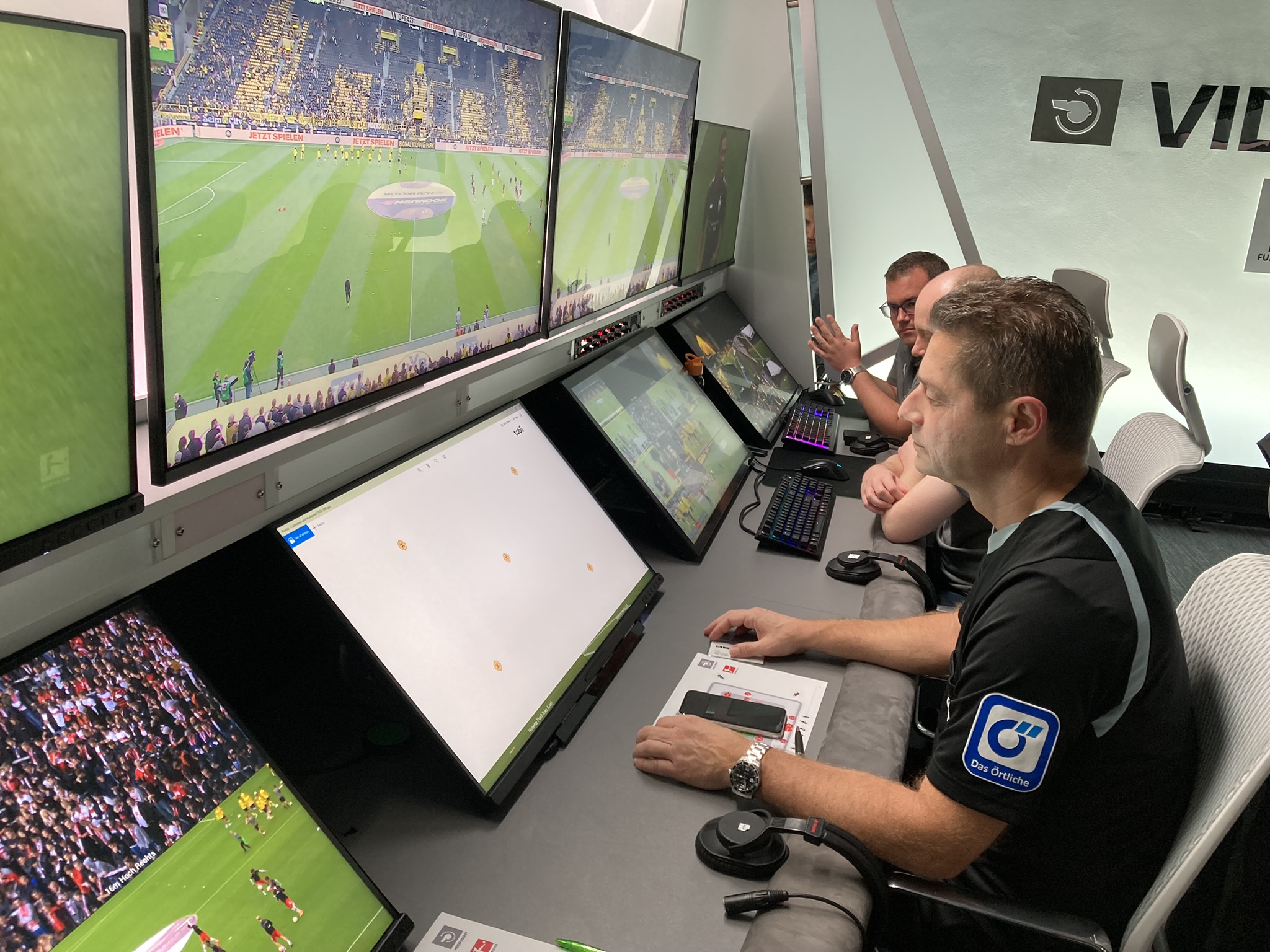
The Video Assistant Referee (VAR) system has already changed football dramatically. In the future, VAR will become faster, smarter, and more transparent.
Future Improvements to VAR
By the 2034 World Cup, we may see:
1. AI-powered decision assistance
- AI analyzing video clips instantly
- Suggesting decisions to referees
2. 3D player models
Players may be digitally scanned to create lifelike AI avatars, allowing more accurate offside decisions.
These 3D models help officials see:
- Player body position
- Foot placement
- Ball contact moment
3. Faster decision-making
Modern systems can reduce decision time from minutes to just seconds.
4. Live explanations for fans
Future VAR systems may show real-time explanations of decisions on stadium screens and TV broadcasts.
3. Smart Stadiums

Smart stadium technology will play a huge role in the 2034 World Cup, especially as Saudi Arabia plans to build futuristic stadiums.
Key Features of Smart Stadiums

1. Biometric Entry
Fans may enter stadiums using facial recognition technology instead of physical tickets.
Process:
- Register your face on the official app
- Walk through biometric gates
- Enter the stadium instantly
This can make stadium entry faster and more secure.
2. AI Crowd Management
Artificial intelligence can monitor crowd movement to:
- Prevent overcrowding
- Improve security
- Manage evacuation if necessary
3. Cashless Payments
Fans may be able to buy food and merchandise using:
- Mobile payments
- Digital wallets
- Face recognition payments
4. Smart Environmental Controls
Advanced systems could automatically control:
- Temperature
- Lighting
- Energy use
- Air quality
This helps make stadiums more comfortable and environmentally friendly.
4. AR and VR Fan Experiences

4
The future of sports entertainment will be highly immersive thanks to Augmented Reality (AR) and Virtual Reality (VR) technologies.
Augmented Reality in Stadiums
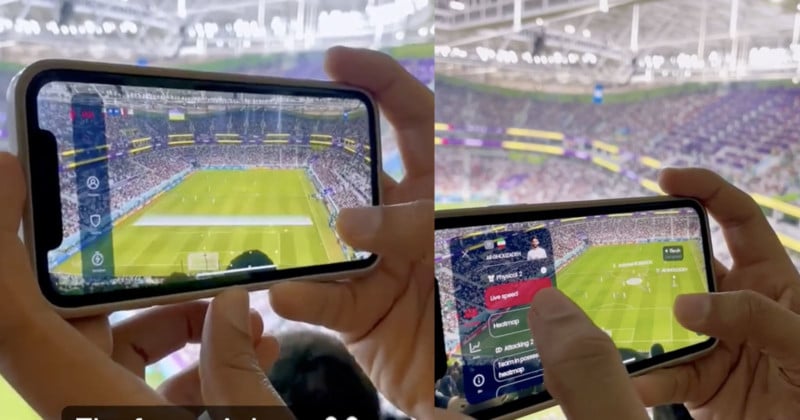
Fans using smartphones or smart glasses could see:
- Player statistics floating above the pitch
- Tactical formations
- Real-time match data
- Instant replays
For example, pointing a phone at a player could display:
- Speed
- Distance covered
- Shots on target
Virtual Reality Match Viewing
VR technology could allow fans to:
- Watch matches from a virtual seat inside the stadium
- Experience a 360-degree view of the game
- Feel like they are standing on the pitch
This means millions of fans worldwide could experience the World Cup as if they were actually in the stadium.
5. Connected Match Ball Technology
Future World Cups will likely continue using connected footballs equipped with sensors.
These balls can:
- Detect the exact moment of ball contact
- Track speed and spin
- Assist referees in offside and handball decisions
In earlier tournaments, the ball sensor sent match data hundreds of times per second to match officials, improving the accuracy of decisions.
This technology helps reduce controversial calls.
6. Referee Body Cameras

Another emerging innovation is referee body cameras.
These cameras could:
- Provide a referee’s point of view during matches
- Increase transparency in decision-making
- Offer unique broadcast footage for fans
FIFA has already tested referee body cameras in international tournaments.
The Future of Football Technology
By the time the 2034 FIFA World Cup takes place, football could look very different from today.
Possible innovations include:
- AI-assisted referees
- Fully automated offside detection
- Smart stadium ecosystems
- AR/VR fan experiences
- Biometric stadium access
- Connected match balls
- Advanced VAR systems
These technologies will not replace the excitement and passion of football. Instead, they will make the game fairer, safer, and more immersive for fans around the world.
Conclusion
The 2034 FIFA World Cup could become the most technologically advanced tournament in football history. With innovations like AI referees, smart stadiums, immersive AR/VR experiences, and advanced VAR systems, the future of the sport is becoming faster, smarter, and more interactive.
As technology continues to evolve, fans can expect a World Cup that delivers better decisions, enhanced security, and unforgettable viewing experiences.