
World Cup Tourism: How Host Countries Benefit
The FIFA World Cup is more than just a football tournament—it’s a global spectacle that attracts millions of fans, media, and tourists from around the world. For host countries, this event presents a unique opportunity to showcase their culture, boost the economy, and develop infrastructure.
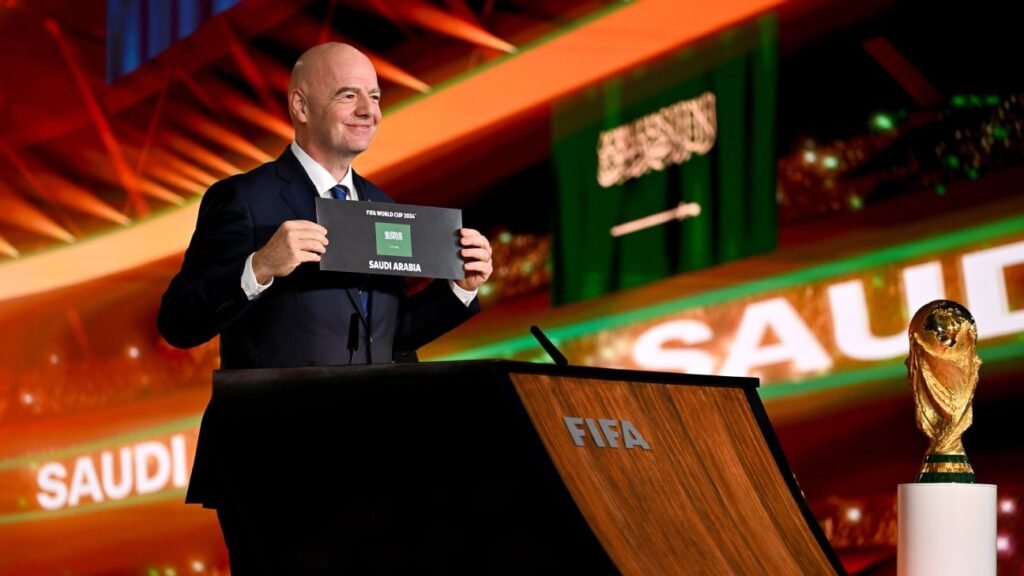
From local businesses to national branding, the World Cup has a wide-reaching impact. In this article, we explore how host countries benefit from World Cup tourism, using past tournaments and future examples like Saudi Arabia 2034 as a reference.
1. Economic Growth Through Tourism

One of the most immediate benefits of hosting the World Cup is the mass influx of international tourists. Fans travel to attend matches, explore host cities, and experience local culture.
Key Economic Advantages:
- Increased hotel occupancy: Major cities often see hotels fully booked months in advance.
- Boost in restaurant and entertainment revenues: Fans spend on dining, nightlife, and attractions.
- Retail sales growth: Sports merchandise, souvenirs, and local goods see significant sales.
For example, the 2018 FIFA World Cup in Russia attracted over 3 million foreign visitors, generating an estimated $11 billion in tourism revenue.
By 2034, Saudi Arabia, with its futuristic cities like NEOM and major urban hubs like Riyadh and Jeddah, aims to attract millions of visitors, benefiting both luxury tourism and cultural tourism.
2. Infrastructure Development

Hosting a World Cup requires state-of-the-art stadiums, transportation, and public facilities, which leave a lasting legacy for the host country.
Examples of Infrastructure Benefits:
- New or renovated stadiums that can host international events beyond football.
- Improved transportation networks, including airports, roads, and public transit.
- Urban development and smart city initiatives that enhance livability for residents.
Saudi Arabia plans to use the World Cup 2034 as a catalyst for Vision 2030, aiming to modernize its cities, improve accessibility, and attract global investment.
3. Job Creation and Local Business Growth
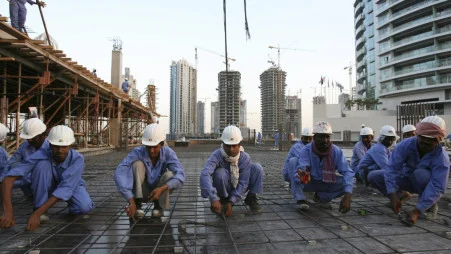
World Cup tourism stimulates employment in various sectors:
- Hospitality jobs: Hotels, restaurants, and event management.
- Construction jobs: Stadiums, hotels, roads, and infrastructure.
- Service sector jobs: Transportation, tourism guides, and retail.
Small and medium businesses also benefit from increased consumer spending, from local cafes to souvenir shops. For example, during Qatar 2022, local businesses reported a surge in revenue from World Cup tourists.
4. Global Exposure and Branding
The World Cup is broadcast in over 200 countries, giving host nations an unparalleled marketing platform.
Benefits of Global Exposure:
- Promoting tourism destinations: Highlighting cities, cultural heritage, and landmarks.
- Attracting future foreign investment: Companies see the host country as capable of managing large-scale events.
- Enhancing international image: Countries position themselves as modern, welcoming, and capable of hosting global events.
For example, Russia 2018 and Qatar 2022 used the tournament to showcase their culture, heritage sites, and urban development projects.
5. Cultural Exchange and National Pride
World Cup tourism also fosters cultural exchange. Fans from around the world experience local food, traditions, and customs, while local residents interact with diverse cultures.
- This increases mutual understanding and strengthens global cultural ties.
- National pride rises when the country successfully hosts a smooth, entertaining tournament.
- Countries often organize cultural festivals, music events, and exhibitions alongside the World Cup.
Saudi Arabia’s unique mix of modern cities and historical sites provides a rich cultural experience for international fans in 2034.
6. Long-Term Tourism Benefits
Even after the World Cup ends, host countries often enjoy long-term tourism growth:
- Fans who visit may return later for vacations.
- New infrastructure improves the experience for all future visitors.
- The country becomes a recognized sports tourism destination, capable of hosting other global events.
For instance, after Germany 2006, cities like Berlin and Munich saw sustained increases in international tourism.
7. Challenges and Solutions

While the benefits are significant, World Cup tourism comes with challenges:
Common Challenges:
- High infrastructure costs
- Overcrowding in host cities
- Environmental impact
Solutions:
- Smart stadiums and AI crowd management for efficient control
- Sustainable tourism planning to minimize environmental impact
- Early investment in transportation and hospitality to accommodate demand
By addressing these challenges, countries can maximize benefits and leave a positive legacy.
Conclusion
World Cup tourism provides massive economic, cultural, and infrastructural benefits to host countries. From increased spending and job creation to global branding and long-term tourism growth, the tournament offers opportunities that extend far beyond football.
The upcoming FIFA World Cup 2034 in Saudi Arabia is poised to become a model of how sports tourism can drive national development. With modern stadiums, smart cities, and rich cultural experiences, Saudi Arabia aims to attract millions of fans and leave a lasting legacy for future generations.
Hosting the World Cup is not just about football—it’s about showcasing a nation to the world and reaping the benefits for years to come.